Food, Wine and Unexpected History in Central and Northern Portugal — By Danielle Rudic, Vice President of Marketing & Product, Travelive
9 Nights / 10 Days
- 2 nights in Lisbon: Olissippo Lapa Palace
- 3 nights in Santar: Valverde Santar Hotel & Spa
- 4 nights in Amarante: Casa da Calçada
Best Time to Travel: May, June, September, or early October.
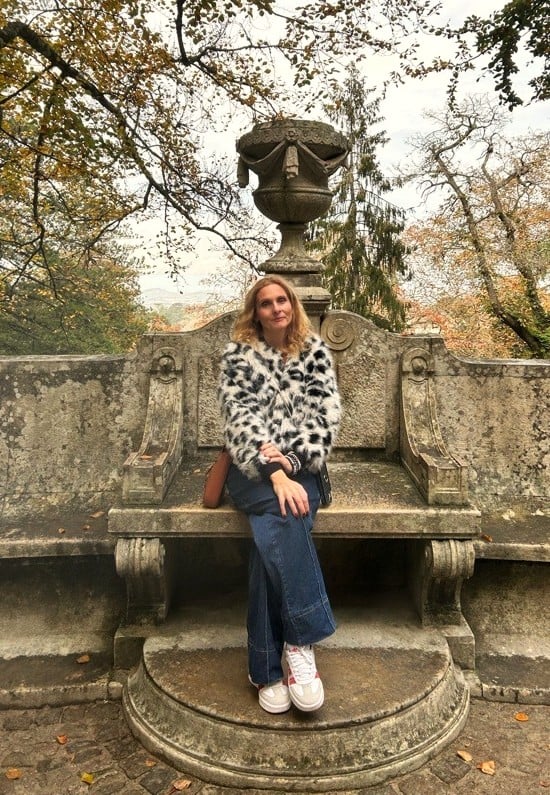
"Most people in the travel industry associate me with Croatia. Fair enough, considering how much of my professional life I've dedicated to it. What fewer people know is that my love affair with Portugal goes back more than twenty years." — Danielle Rudic,Vice President of Marketing & Product, Travelive
It started in the early 2000s, working with Portuguese tourism boards, hotels and experience providers. The tourism boards would invite me to explore their regions, and I’d often return with stories they hadn’t thought to tell.
As a foreign journalist, I was fascinated by details my local hosts sometimes took for granted. An old family tradition, an unusual recipe, the history of a house everyone walked past without a second thought. Central and northern Portugal soon became something of a personal bragging right, and I was recommending places most people hadn’t asked me about.
For this itinerary, I gathered our Portugal by Travelive team and asked everyone to share their favorites. Big mistake.
Everyone had a winery, restaurant, historic town or local artisan they insisted we include. We started with enough ideas for 15 days, and eventually had to take Coco Chanel’s advice about removing one thing before leaving the house.
Except we had considerably more than one thing to remove. After plenty of debate, we managed to get it down to nine nights. I’m still hearing complaints about what we left out.
Days 1–2 | Lisbon: An Old Favorite
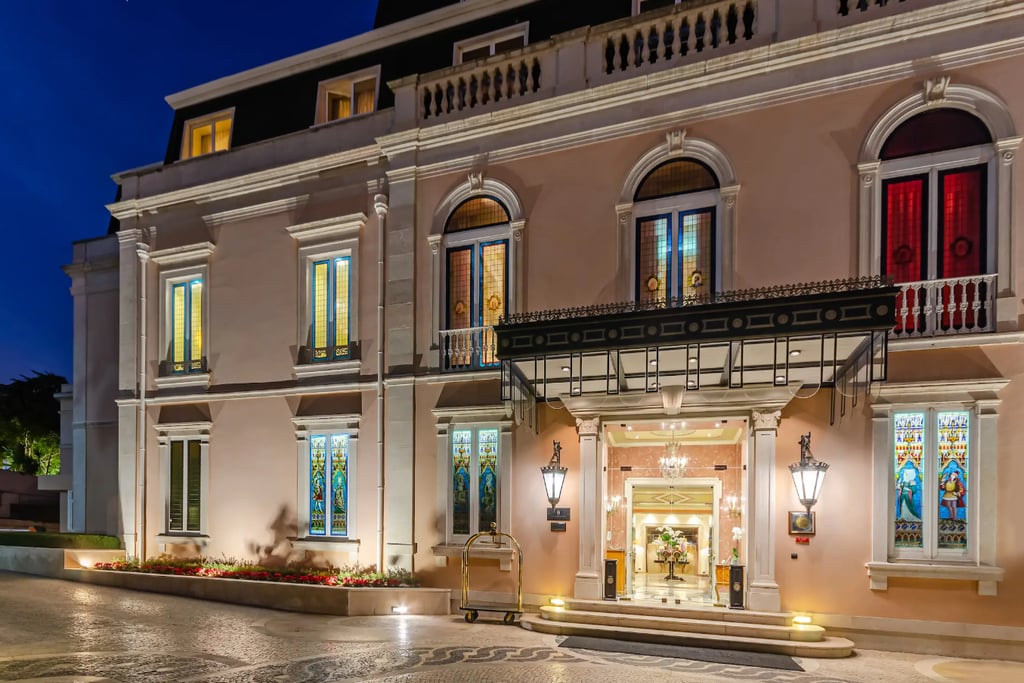
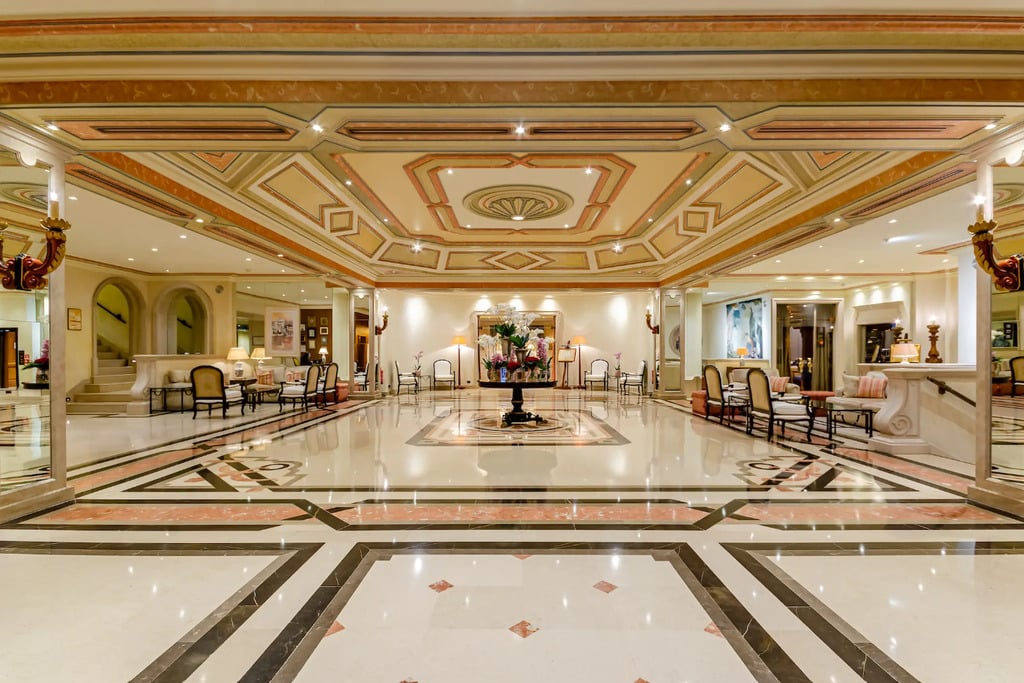
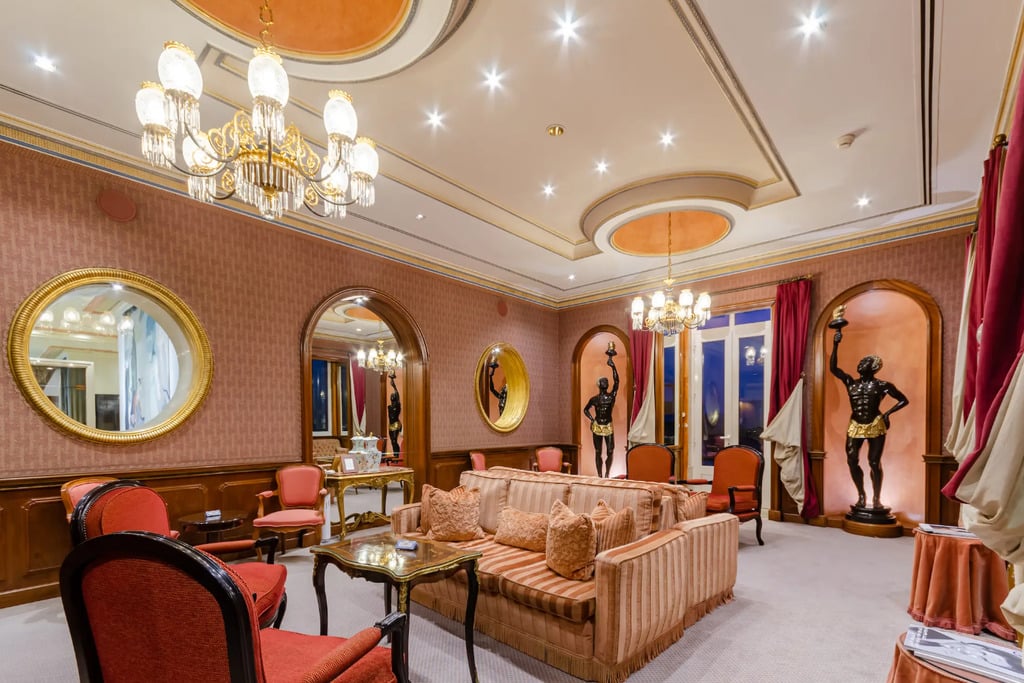
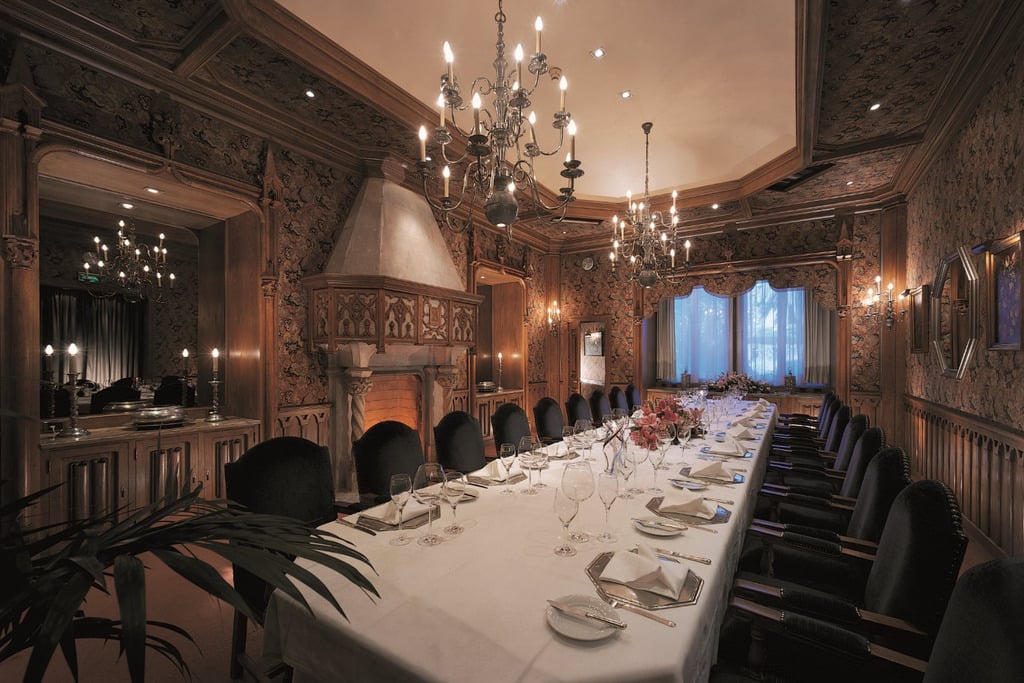
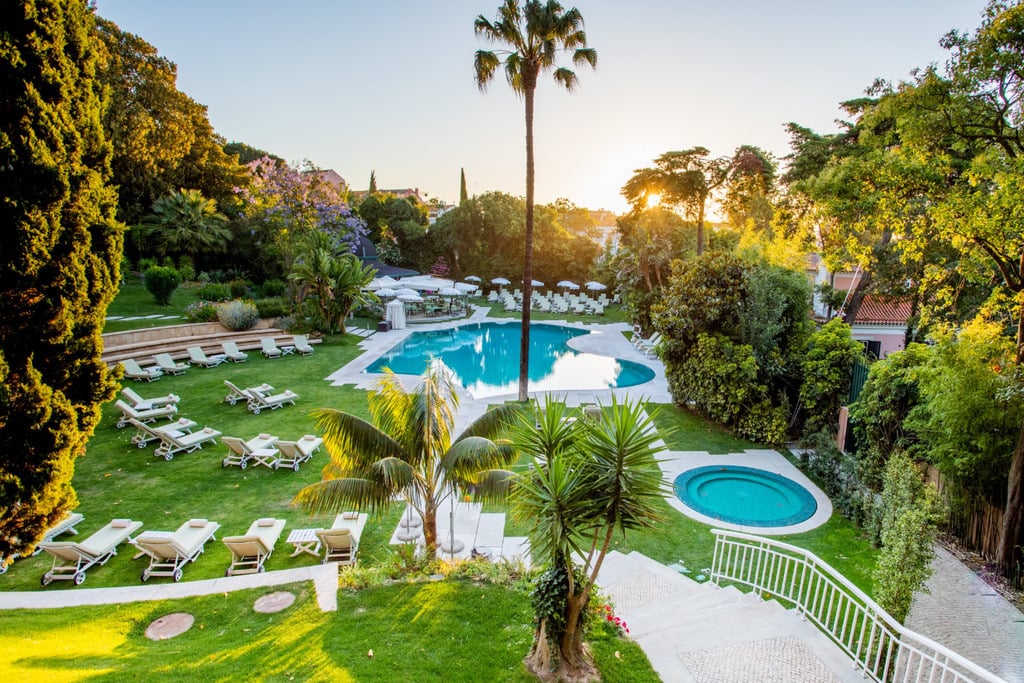
Lisbon is a convenient starting point for travelers arriving from North America, and Olissippo Lapa Palace remains one of my favorite hotels in the city. I’ve stayed there numerous times, and its history and character are precisely what I look for in a property.
The Columbano Room, once the palace’s ballroom, has a beautiful ceiling fresco by Portuguese painter Columbano Bordalo Pinheiro, whose brother Rafael became one of Portugal’s most celebrated ceramic artists. Of course, if you prefer something more contemporary, our Portugal team has plenty of excellent alternatives.
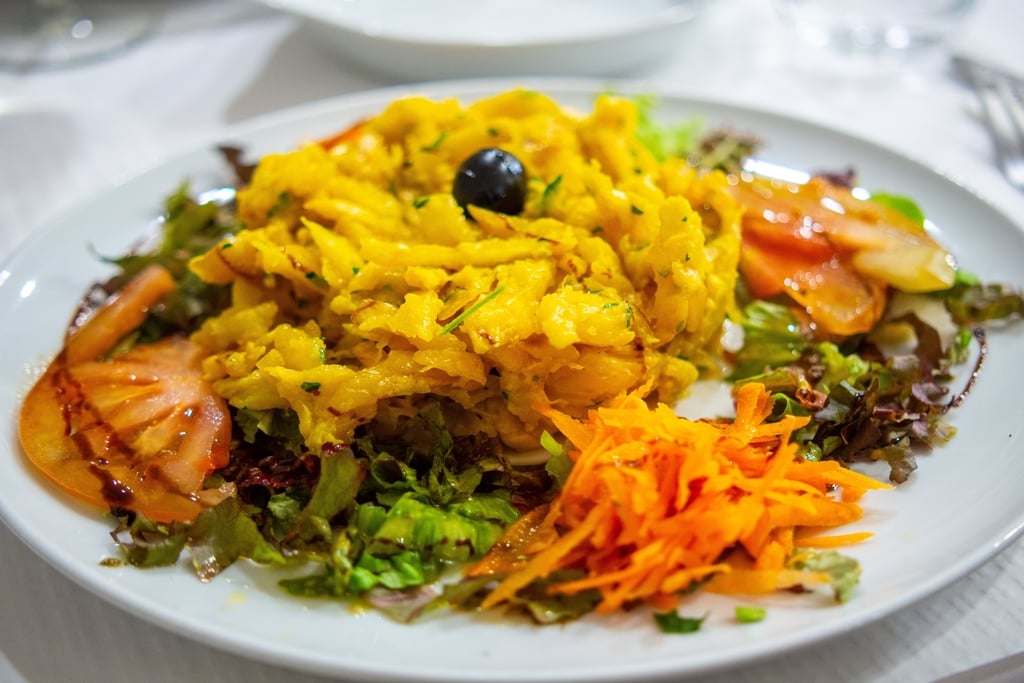
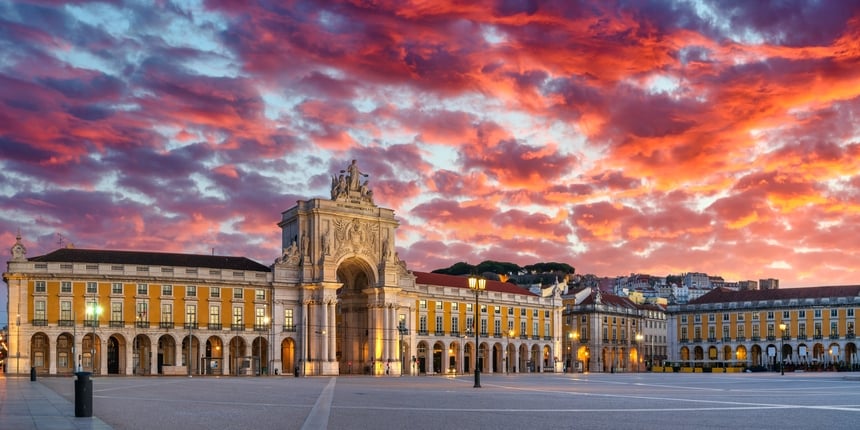
I’d leave arrival day free, particularly after an overnight flight. The following morning, I’d head into Lisbon’s markets, traditional shops and neighborhood eateries with a local food expert. These visits always produce entertaining conversations, particularly when someone explains why their family’s version of a Portuguese dish is unquestionably the best. And there should be bacalhau. I thought I’d tried just about every way of preparing it until Portugal proved me wrong repeatedly.
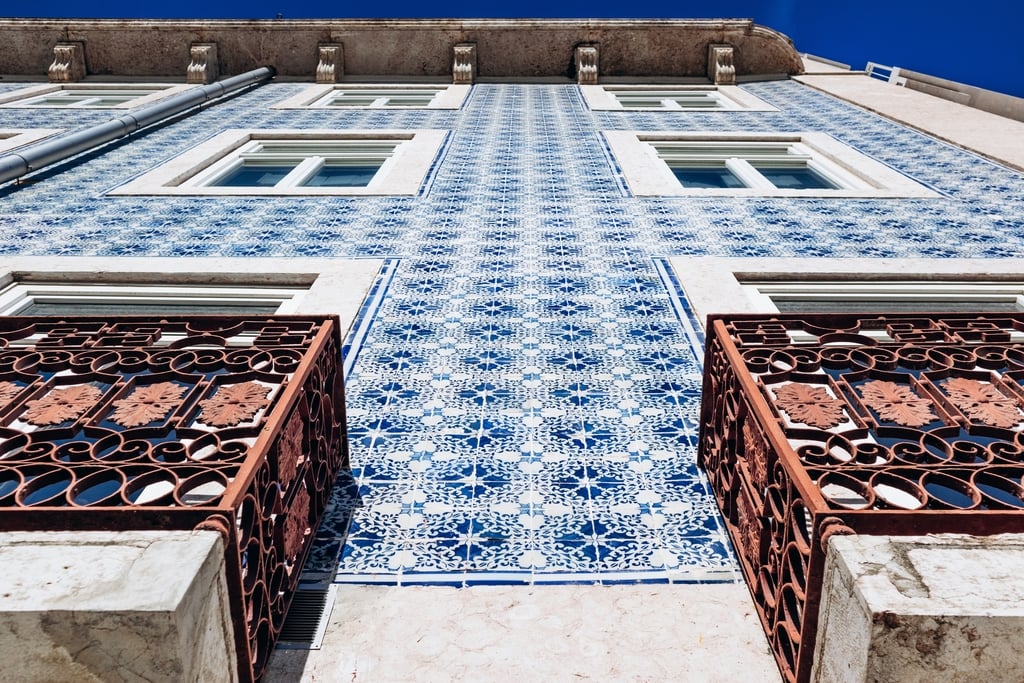
Then there are the azulejos. Half my house is covered in Portuguese tiles, and I keep finding something else that apparently needs tiling. The cat’s sleeping basket is next. I may have a slight problem.
So naturally, I’d include an azulejo workshop, where you can learn about Portugal’s tile-making traditions and paint one yourself. Just don’t blame me if you return home with ambitious redecorating plans.
Days 3–5 | Santar: Historic Mansions, Hidden Gardens and Dão Wines
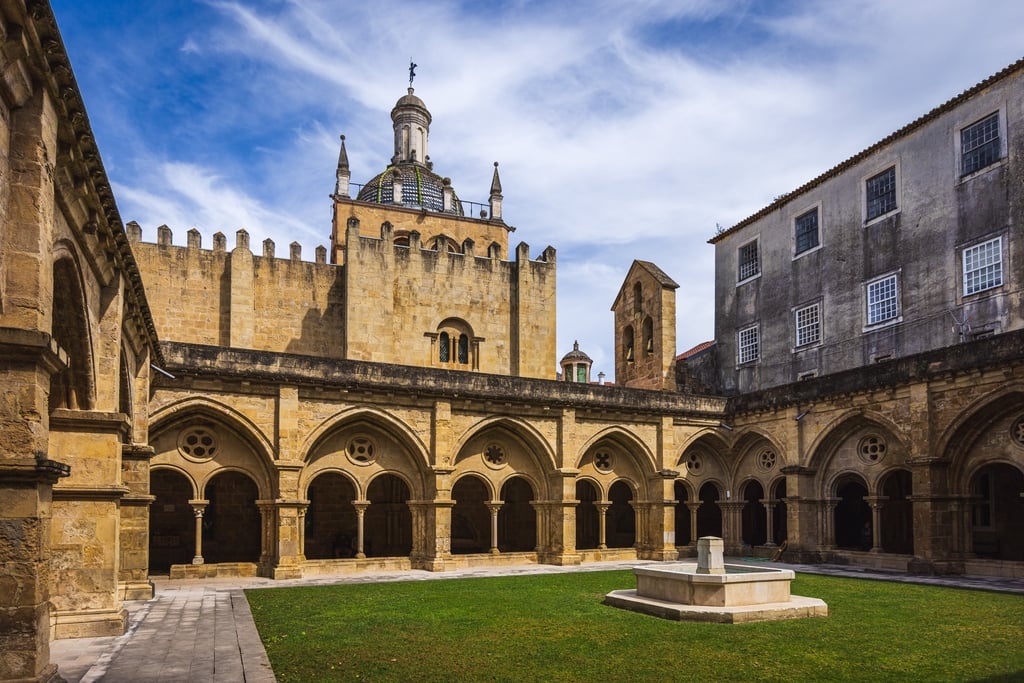
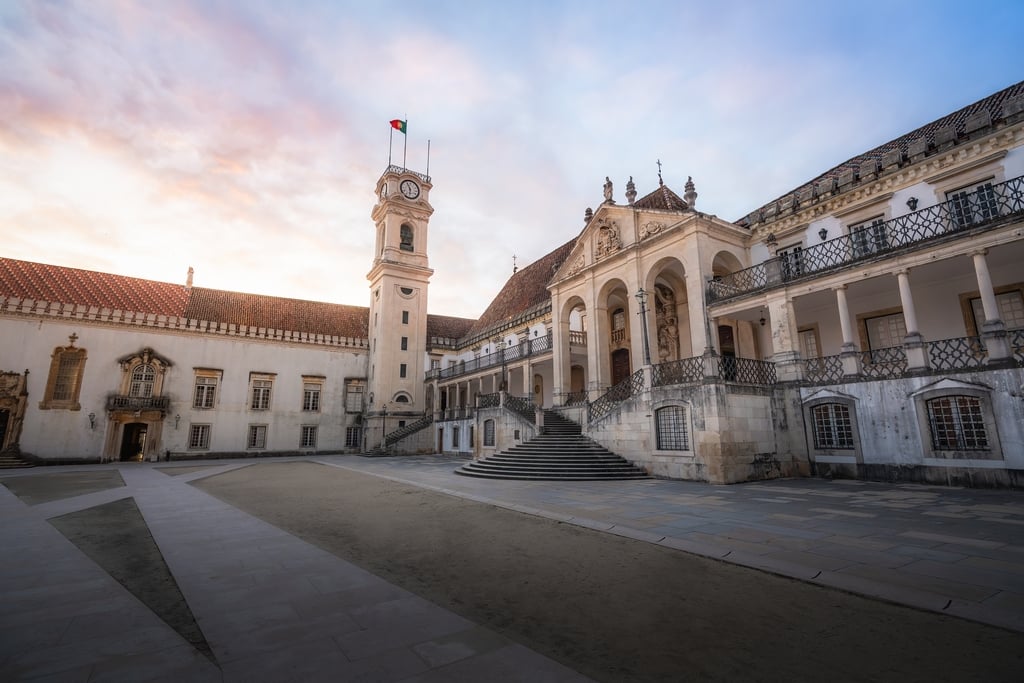
The drive north takes us through Coimbra, where the university and its magnificent Joanina Library deserve a stop. I’d recommend a focused private visit and lunch before continuing into the Dão region. Alternatively, Roman history enthusiasts might prefer Conímbriga, with its excavated houses, mosaics and remains of public buildings. Either works well along the route, bringing us to Santar and Valverde Santar Hotel & Spa by late afternoon.
The Mansion I've Had My Eye on for Years
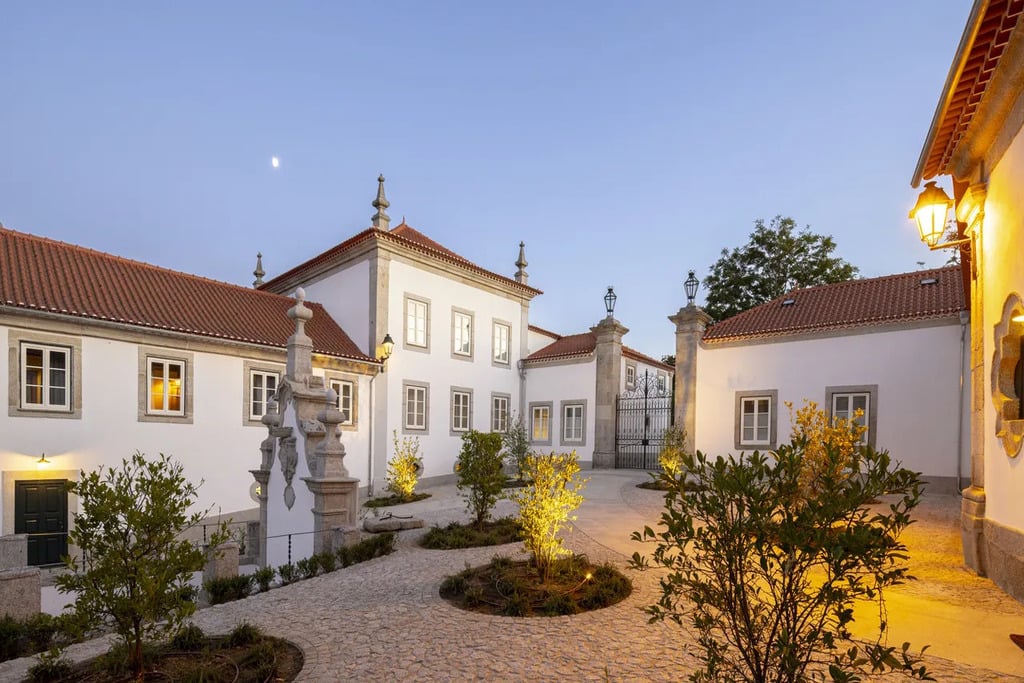
Long before it became Valverde Santar, this property was known as Casa das Fidalgas, and I’ve been fascinated by it for years.
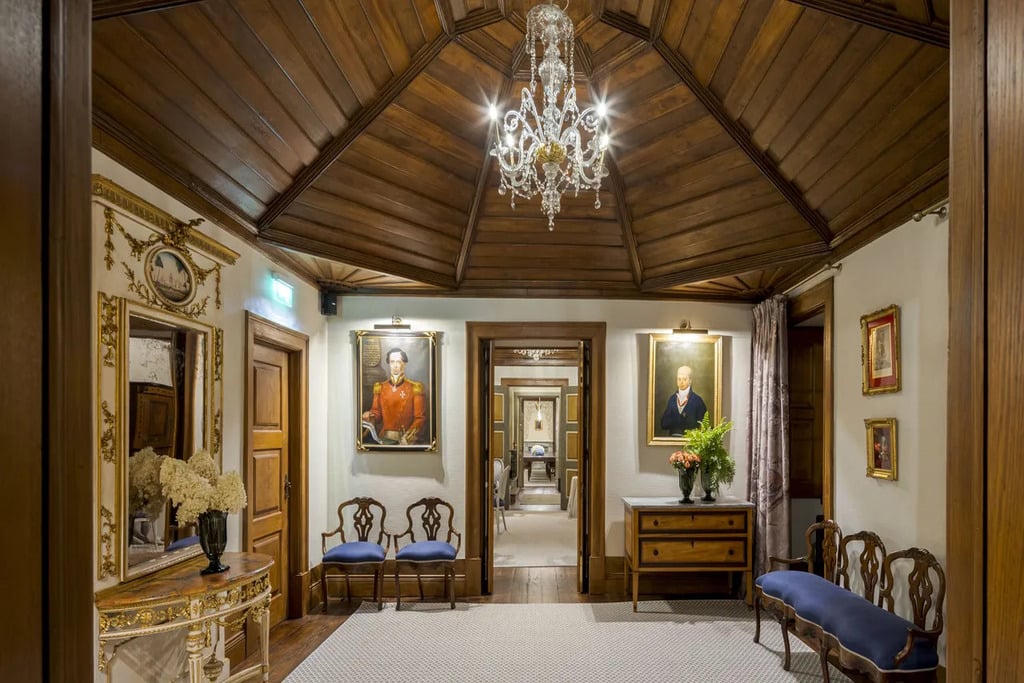
The 17th-century mansion takes its name from three unmarried noblewomen who once lived there. It later passed into the hands of the Portuguese Royal House, and Dom Miguel de Bragança, Duke of Viseu, lived here for more than forty years.
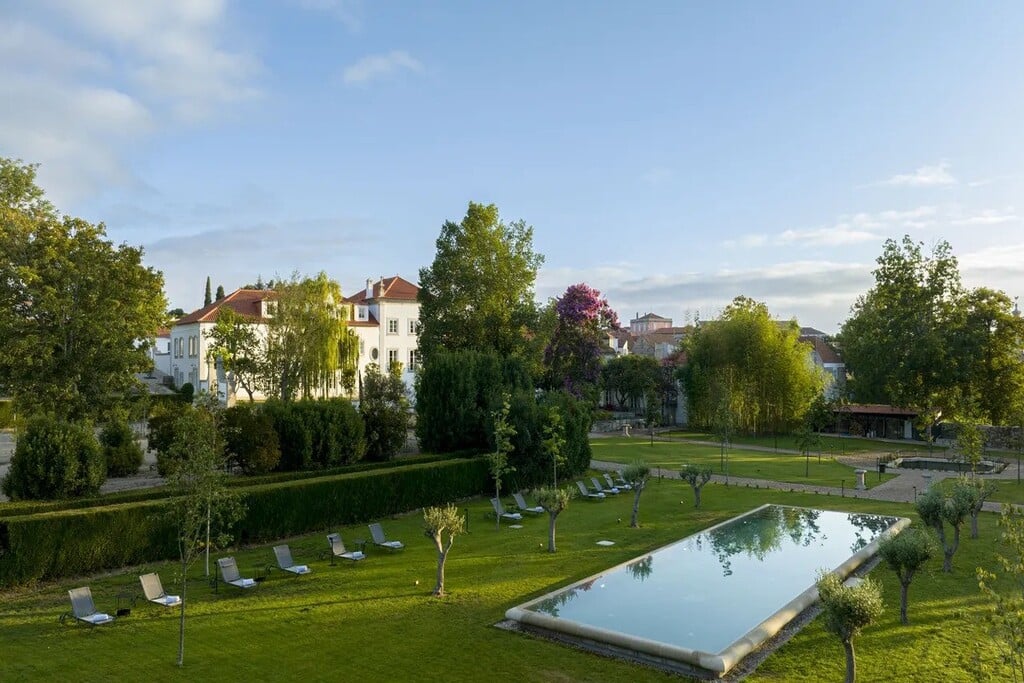
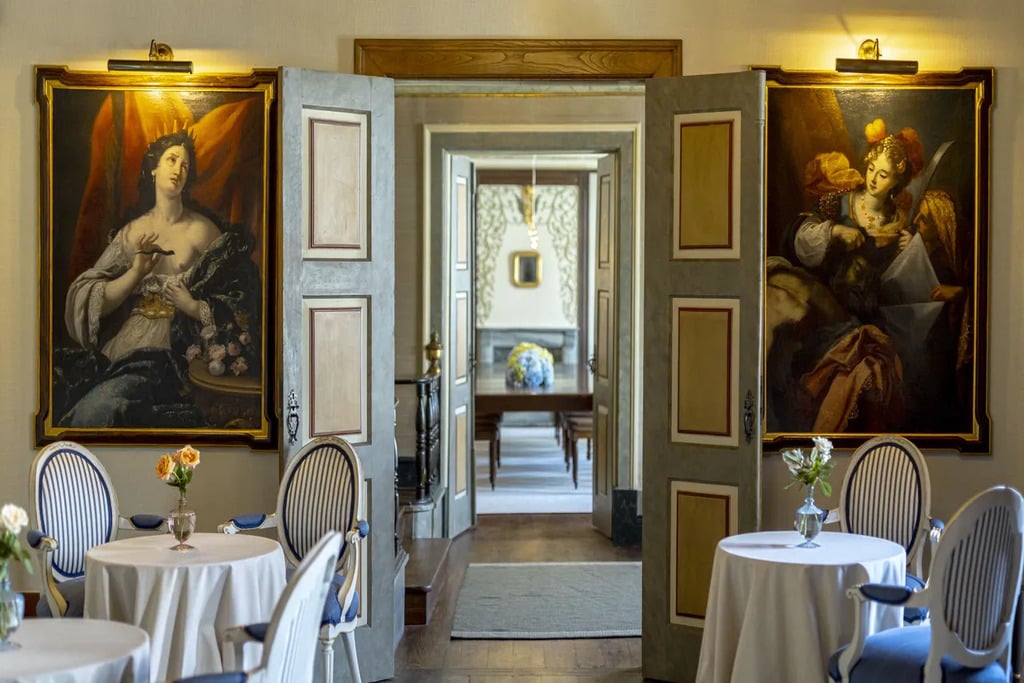
The restored property is now Valverde Santar Hotel & Spa. Several members of our Portugal by Travelive team have stayed since the renovation, and I can’t wait to add it to my own collection of memorable Portuguese hotels.
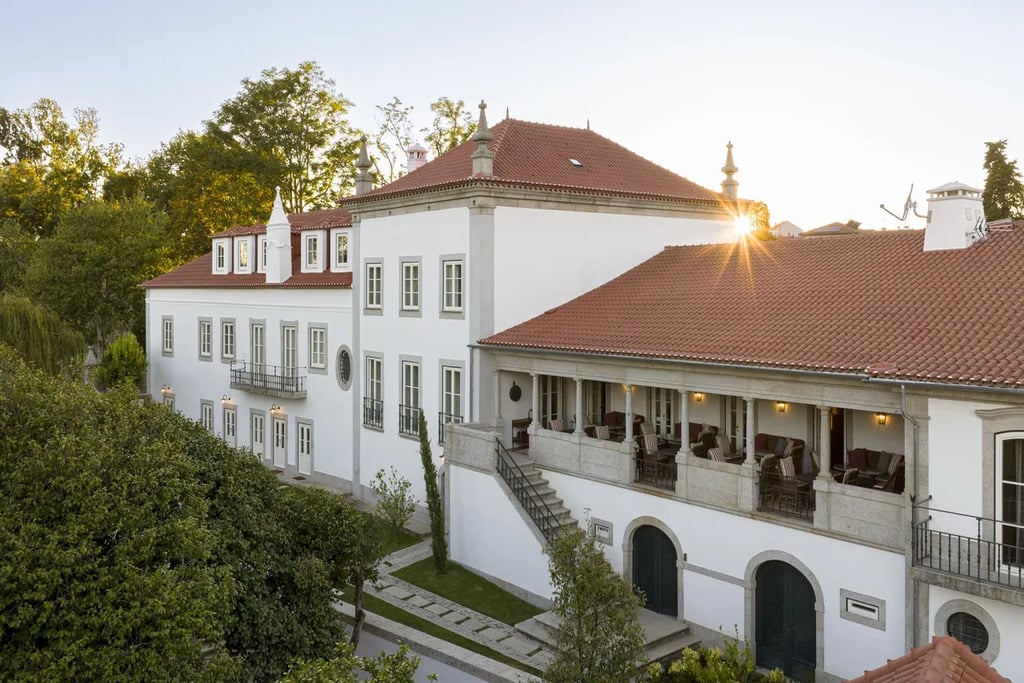
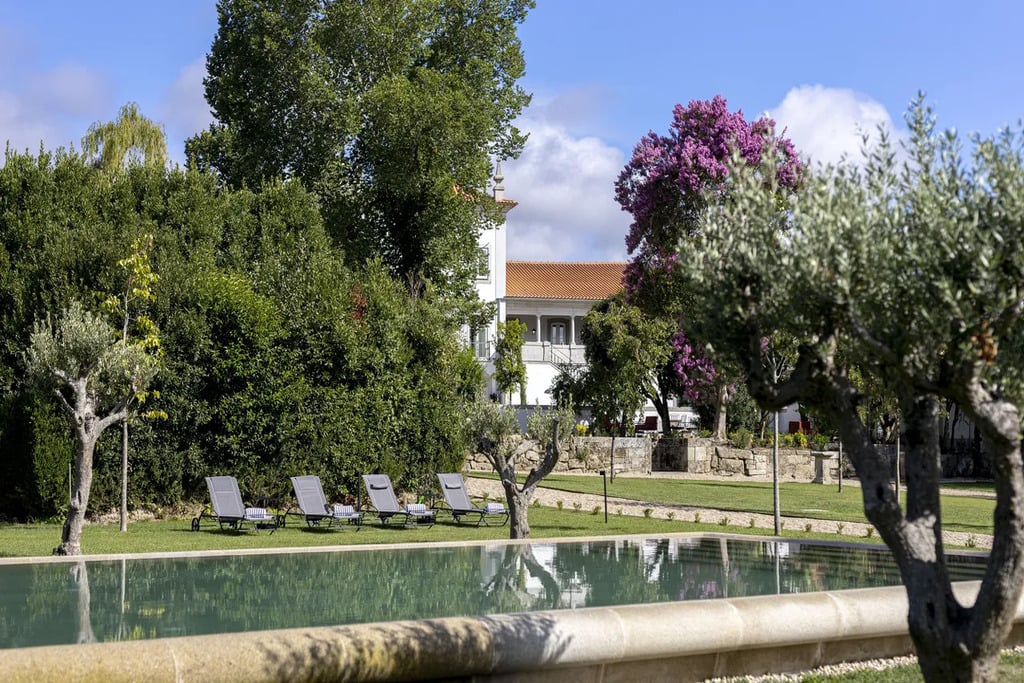
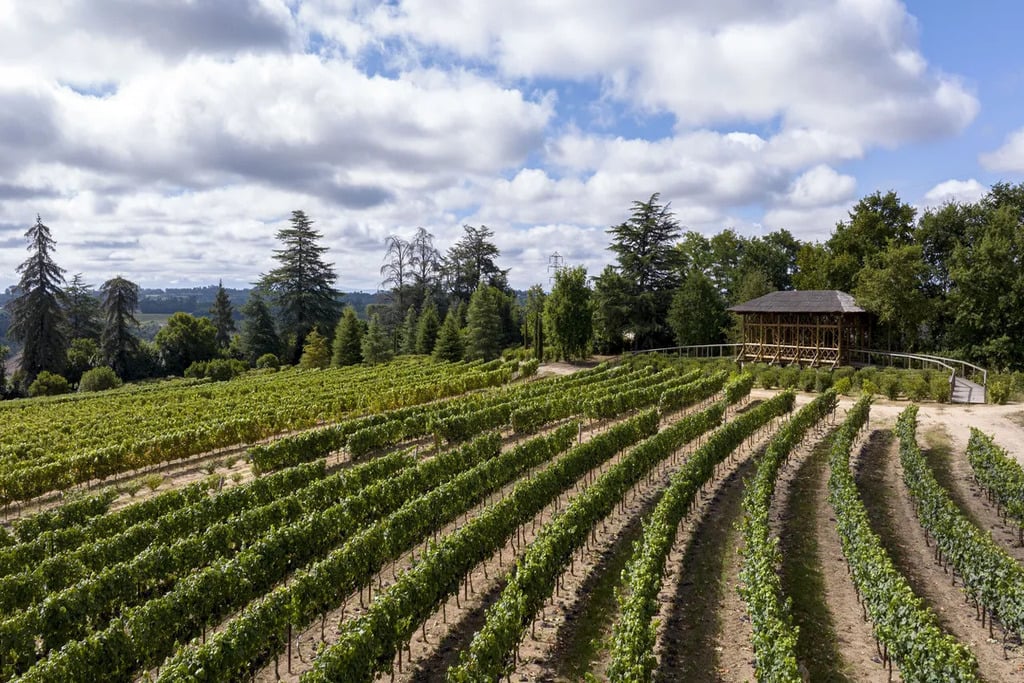
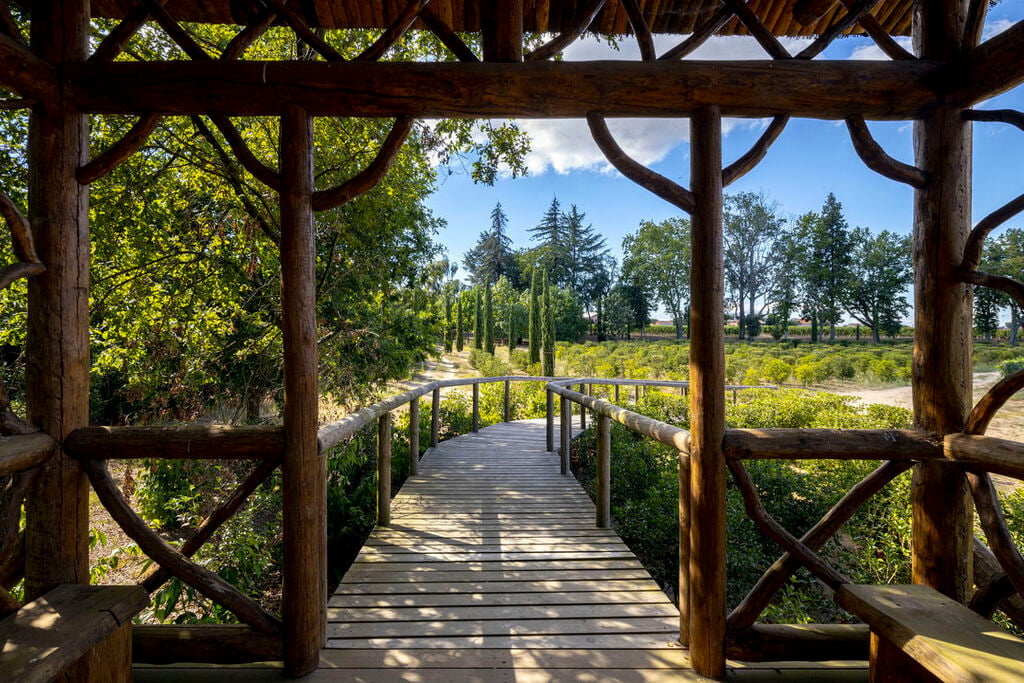
Santar has an equally interesting collection of old houses and gardens, many hidden behind private walls for generations.
Through the Santar Vila Jardim project, visitors can explore several historic estates. Our team particularly recommends a guided visit followed by lunch prepared by the house cook and served in one of the gardens, often beneath an old linden tree. I can think of worse places to spend a couple of hours.
There are also old paths passing vineyards, manor houses and agricultural properties, perfect for exploring with a local guide. Although with three nights at Valverde Santar, I certainly wouldn’t fill every afternoon with excursions. I’d want time to enjoy the hotel itself.
The Burgundy of Portugal
Dão has always been one of my favorite Portuguese wine regions. Its reds have the elegance and structure I enjoy, particularly those made with Touriga Nacional and Alfrocheiro. Encruzado was an unexpected discovery. I’d always been devoted to reds, but this white grape gave me a good reason to reconsider.
The people behind the wines were equally memorable. During my early winery visits, I met families whose parents, children and grandparents had worked the same land, sometimes with very different opinions about how the wine should be made. Those conversations taught me as much about the Dão as the tastings themselves.
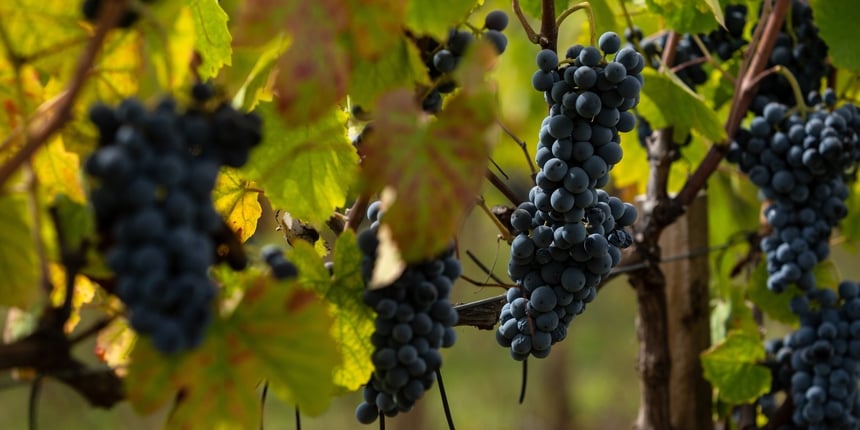
I’d choose a private winery visit hosted by a family member or someone directly involved in production. Quinta de Lemos is one possibility, combining a tasting with time in the vineyards and a regional lunch. And while I appreciate fine dining, a plate of nacos de vitela grelhados, good bread and a glass of local red remains one of my favorite meals. For a more elaborate evening, there’s the Michelin-starred Mesa de Lemos, subject to its opening schedule.
If wine isn’t your only interest, Molelos, near Tondela, is known for its traditional black pottery. Local artisans still use the firing techniques responsible for its distinctive finish, and a workshop visit can include a hands-on session where available.
Days 6–9 | Amarante: The Hotel That Made Me Change My Plans
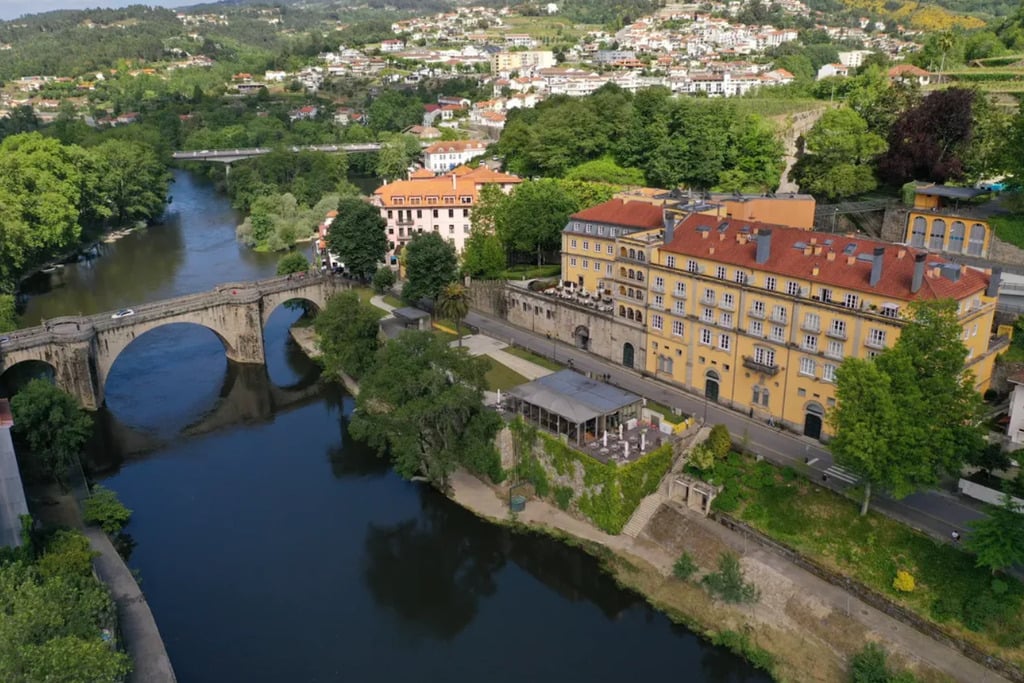
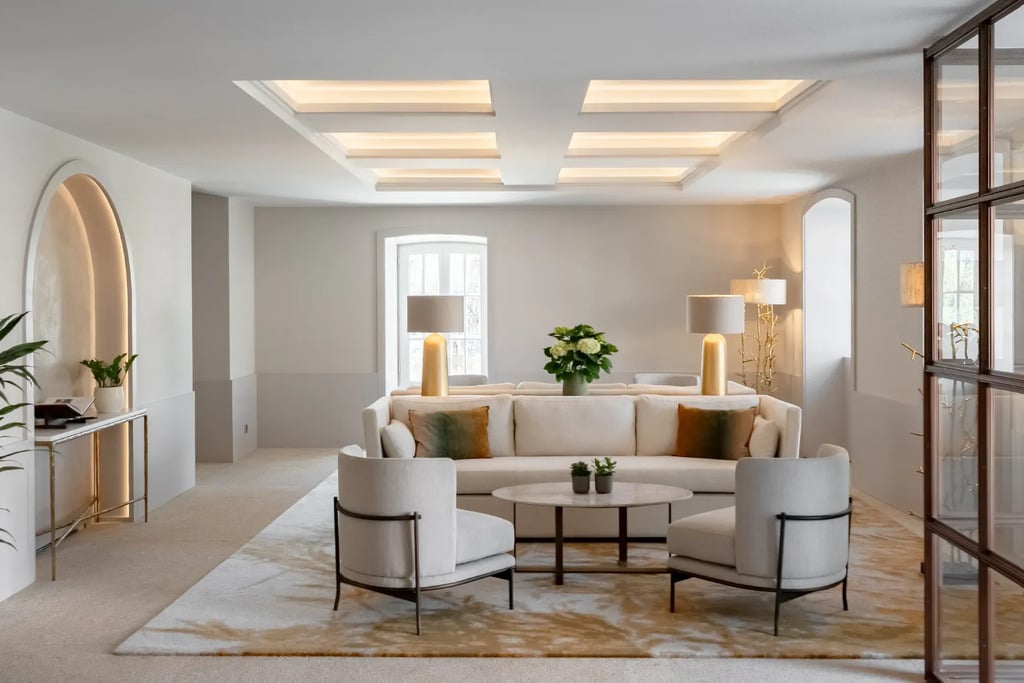
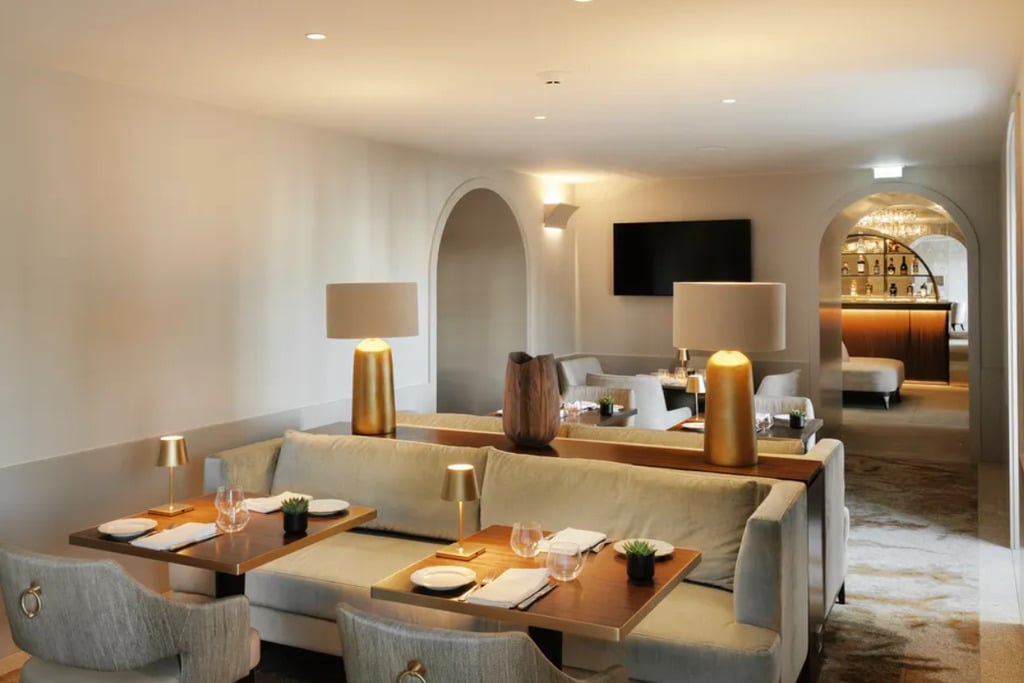
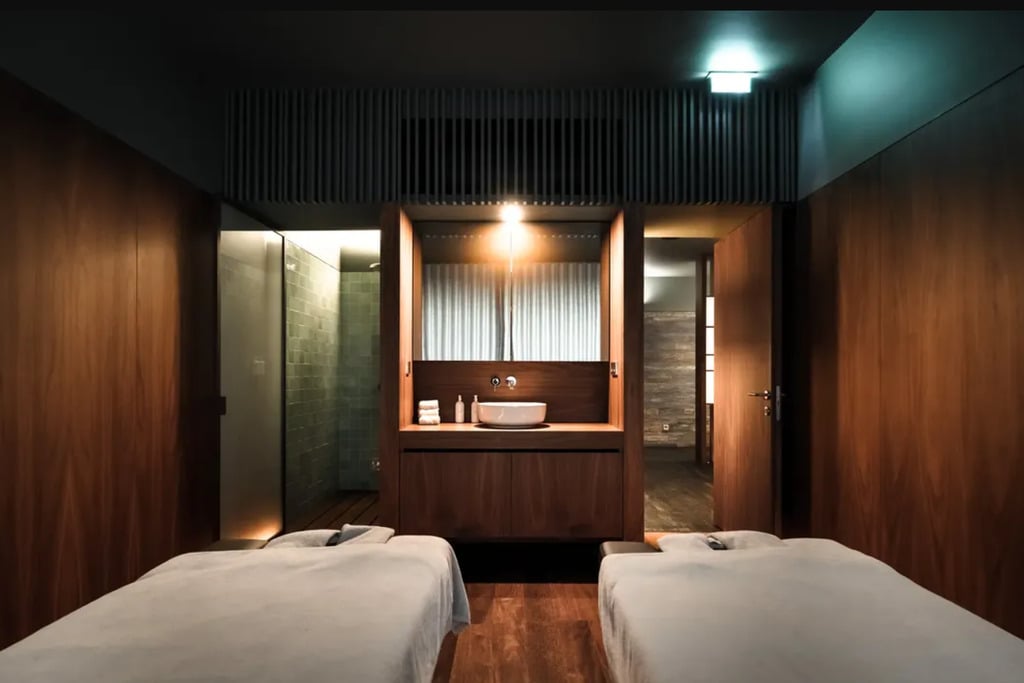
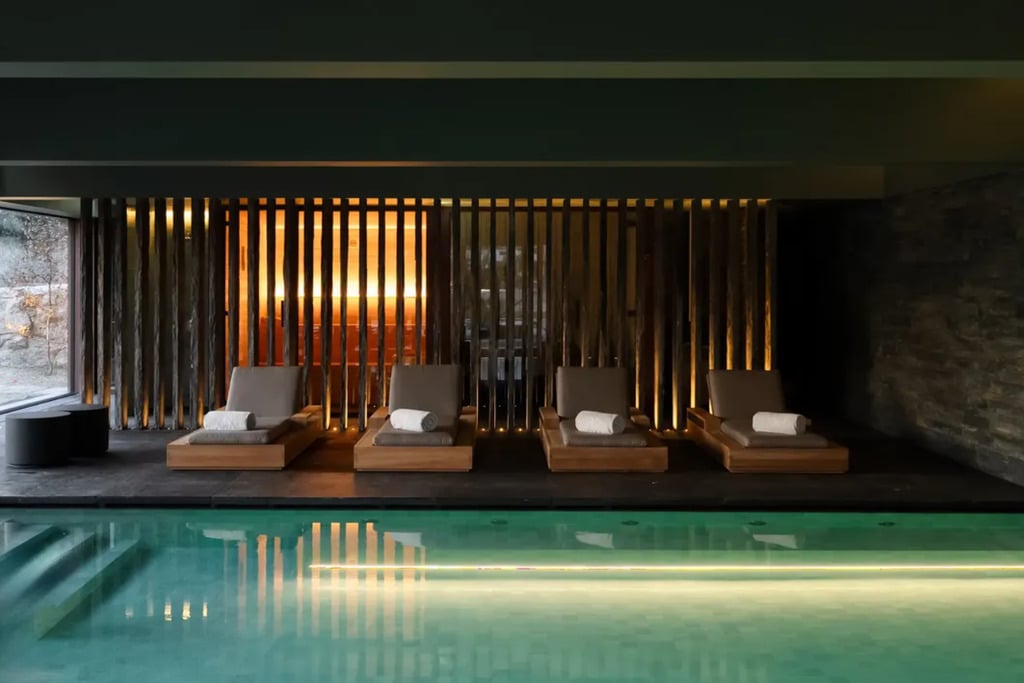
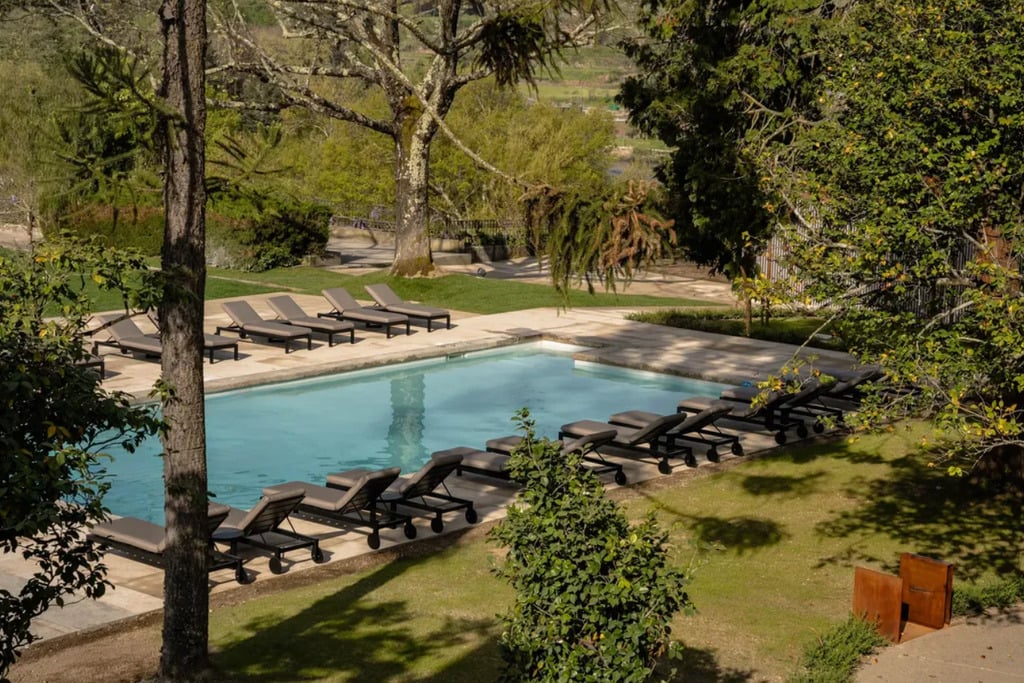
My first visit to Casa da Calçada was for a menu tasting at Largo do Paço. I hadn’t intended to stay overnight, but after seeing the property, I booked myself a room, at my own expense, so I could spend more time there and explore the historic vineyards of Quinta da Calçada.
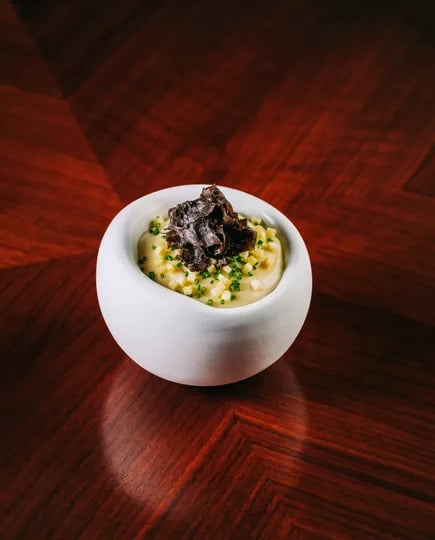
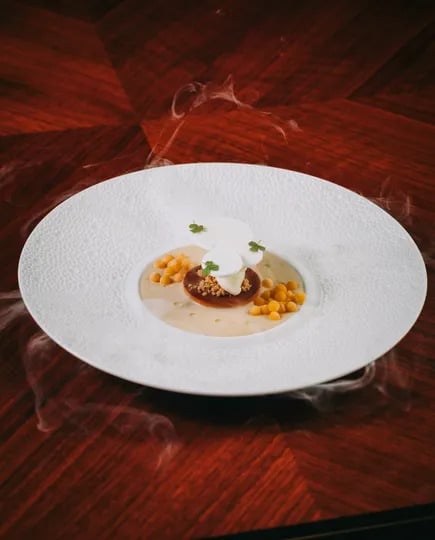
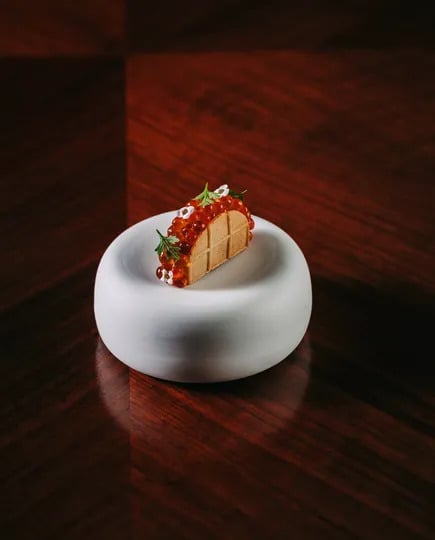
The hotel has since undergone a major renovation, and Largo do Paço has a new reason to celebrate. Under Chef Francisco Quintas, the restaurant earned a Michelin star in 2026, while Quintas himself received the Michelin Young Chef Award. Dinner here would certainly be on my list, particularly now that there’s a new chef whose cooking I’d like to experience.
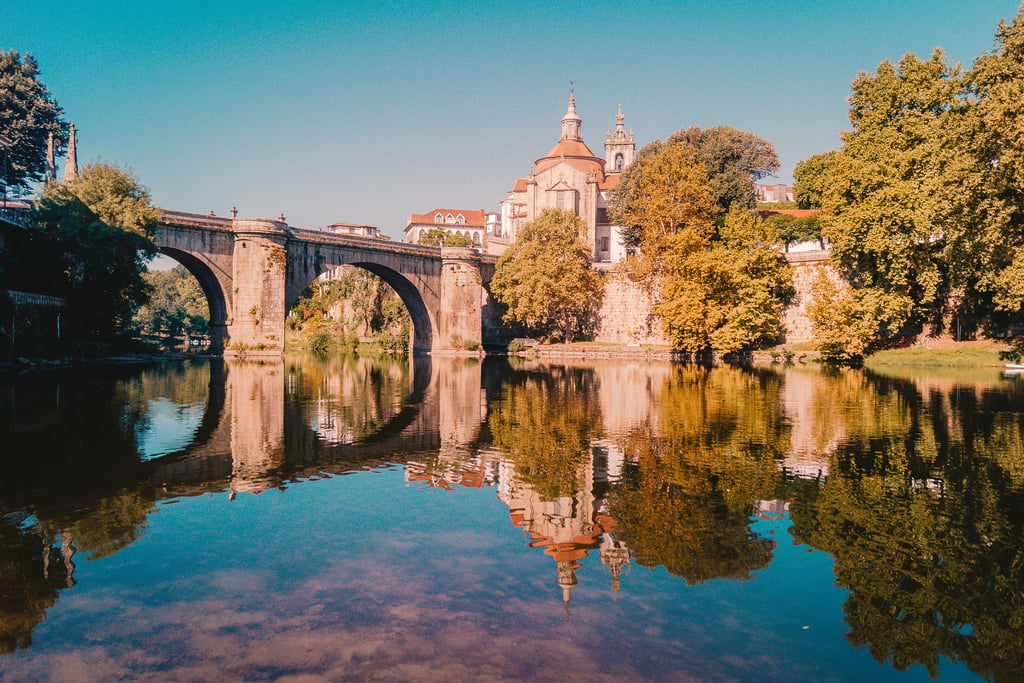
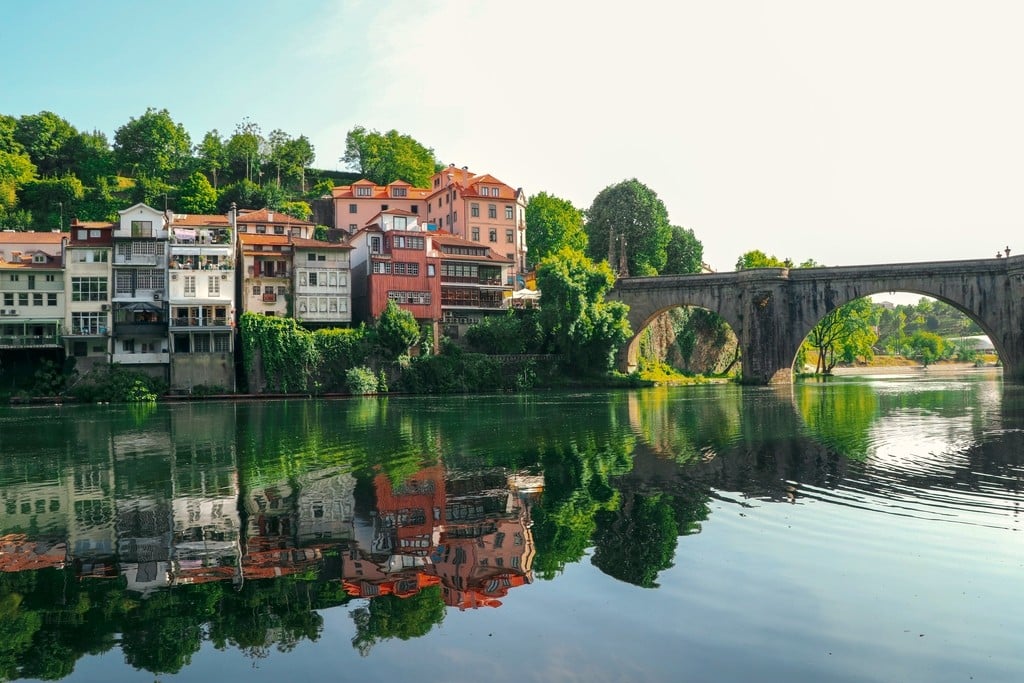
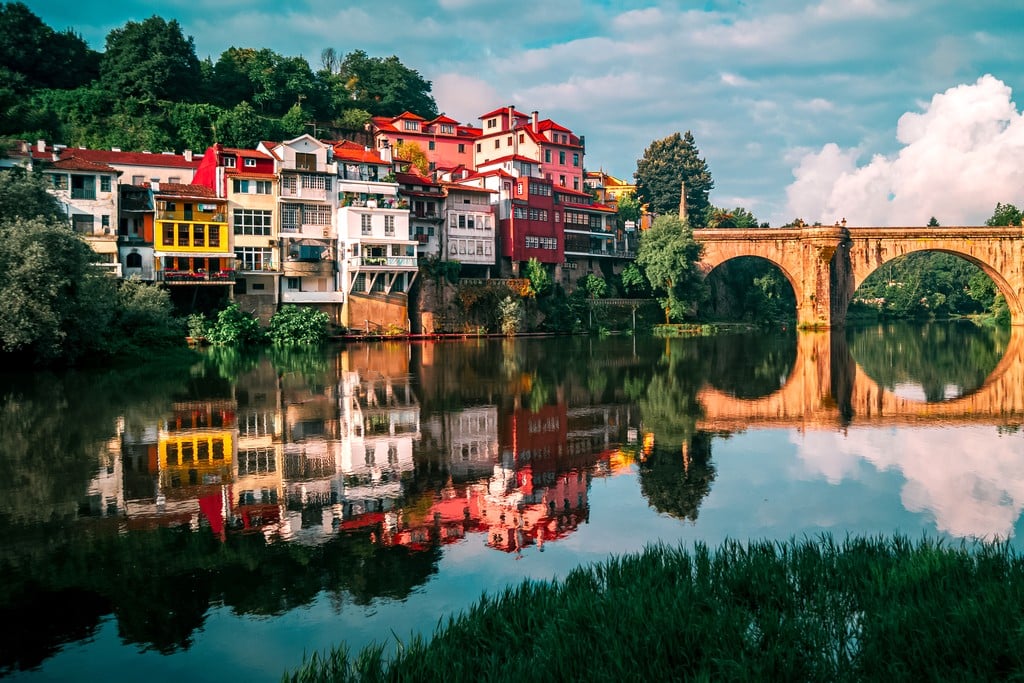
Four nights at Casa da Calçada give us time to explore Amarante and the surrounding countryside without changing hotels. After arriving from Santar, I’d keep the afternoon free for a wander around São Gonçalo Bridge and the old streets overlooking the Tâmega River.
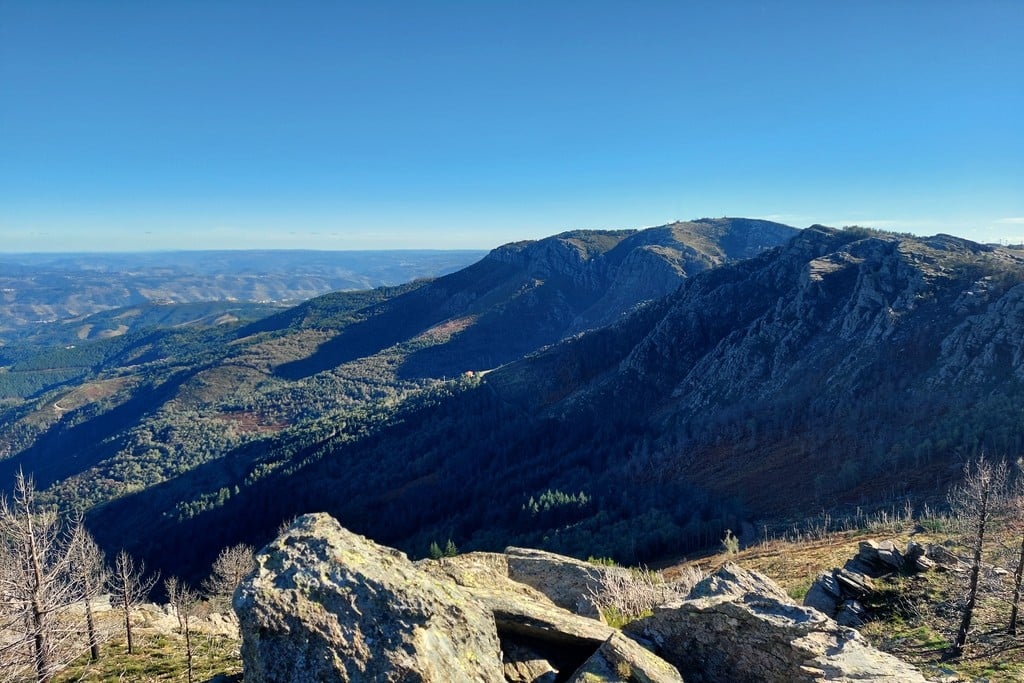
The nearby Marão countryside also offers excellent hiking. The Rio Marão trail near Ansiães is a circular route of approximately 8.8 miles, but there’s no need to tackle the whole thing. Our local team can arrange a guided hike along suitable sections, adjusting the distance and difficulty to each guest’s fitness level. Those who prefer a longer, more challenging outing have that option too.
Vinho Verde and the Celorico de Basto Countryside
Celorico de Basto is an easy excursion from Amarante, with vineyards, small villages and family estates scattered across the countryside. I’d include a visit to a producer such as Quinta de Santa Cristina, with a tasting and perhaps a regional lunch or picnic.
Vinho Verde is often associated with light, youthful whites, although the region has much more variety. Avesso and Loureiro produce quite different wines, and there’s also Vinho Verde tinto, the traditional red that surprises visitors familiar only with the whites. Even the name causes confusion. Verde means green, but the name is associated with the region’s lush landscape rather than the color of the wine. So, if someone offers you a red Vinho Verde, they haven’t made a mistake.
And if you’re more of a history buff and need a break from the wine (yes, that can happen), the Tâmega Valley has some fascinating medieval heritage.
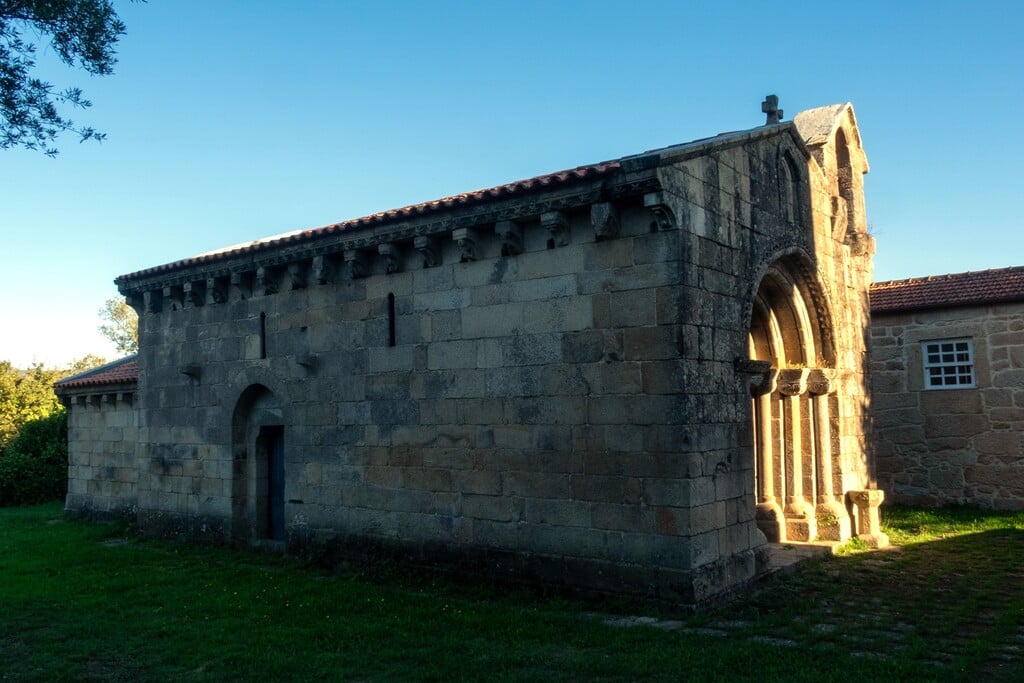
The Romanesque Route connects churches and monasteries in small communities that many international visitors would otherwise overlook. The Monastery of Travanca is particularly interesting, and a knowledgeable local guide can explain the history behind these places.
Guimarães and My Unexpected Encounter with Ancient History
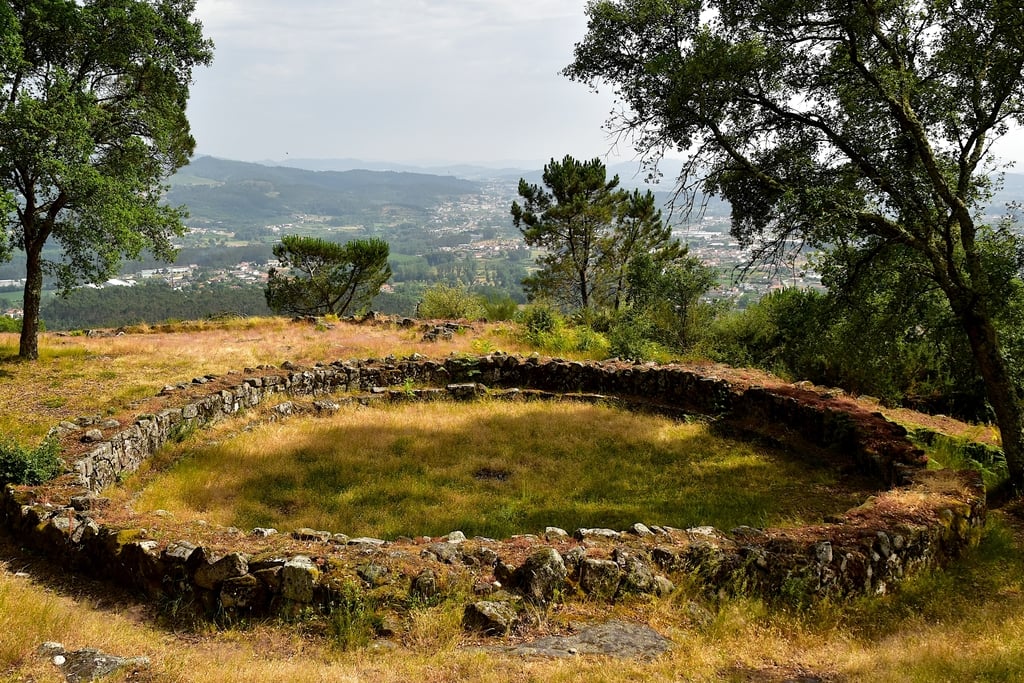
Some of my favorite discoveries in Minho came from places I hadn’t expected to find, such as ancient hillfort settlements. I knew about the region’s medieval history, but the remains of communities who lived here more than two thousand years ago were a surprise.
Citânia de Briteiros, near Guimarães, is one of the best-known examples of the Castro culture of northwestern Iberia, with defensive walls, stone dwellings and traces of ancient streets. I remember being particularly interested in the everyday details: how the houses were organized, what people ate and how families lived. The local guides probably weren’t expecting quite so many questions.
From Briteiros, we continue to Guimarães, proudly known as the birthplace of Portugal. Closely associated with Afonso Henriques, the country’s first king, it was an early capital before the royal court moved to Coimbra. Its historic center is part of a UNESCO World Heritage site, and I’d allow time to explore its medieval streets and squares.
For anyone more interested in traditional crafts than archaeology, Guimarães also has a long embroidery tradition, and a visit to a local artisan’s workshop makes an excellent alternative to Briteiros.
Amarante and Its Rather Naughty Traditions
I’d spend the final full day close to Amarante, perhaps starting with a walk along the Tâmega River or a gentle section of the former railway route before exploring the town’s traditional shops, cafés and pastry makers.
Amarante also happens to be responsible for one of my funniest memories of Portugal. During the Festas do Junho, I came across grandmothers cheerfully selling some of the most obscenely shaped sweets I’d ever seen. These lovely elderly ladies were proudly displaying what can only be described as rather anatomically accurate cakes, and I thought it was hilarious.

They’re called Bolos de São Gonçalo, traditionally associated with love, marriage and fertility. According to local accounts, their suggestive shape reportedly led to their prohibition during Portugal’s dictatorship, although people apparently continued making and exchanging them discreetly. An underground trade in naughty pastries, if you will. Following the 1974 revolution, the cakes returned to public celebrations.
What made the whole experience even funnier was the complete lack of embarrassment among the women selling them. Here were these perfectly respectable grandmothers displaying their rather explicit merchandise as casually as someone selling bread rolls. I was highly entertained.
Travelers visiting during the June festivities can experience the celebrations, while at other times our Portugal team can arrange an introduction to Amarante’s confectionery traditions at a local bakery, including the famous cakes when available. And should you decide to take a few home as gifts, I’d love to hear the reactions.
Day 10 | Departure from Porto

A private transfer takes travelers from Amarante to Porto Airport, avoiding another hotel change. An overnight closer to the airport can be arranged for particularly early flights.
And For Those Places We Couldn't Fit In…
This itinerary is particularly suited to travelers who have already visited Portugal’s more familiar destinations, or those who prefer small towns, regional traditions and unusual historical sites. With three hotels over nine nights, there is time to enjoy the properties as well as the countryside.
Our Portugal by Travelive team can arrange private transfers, specialist guides, winery visits, artisan workshops and introductions to local producers. Every experience is a suggestion, with alternatives that can be selected according to individual interests.
And if your clients have a few extra nights, we still have plenty of places we’d like to include. Our original itinerary was 15 days long, and I’m certain everyone on the team has kept a list of what we cut.
Contact our Portugal by Travelive team at [email protected] to plan a personalized journey through Central and Northern Portugal.