There is a Portugal we look forward to every year. It arrives toward the end of October, when the summer rush fades, and everyday life begins taking up more space again. Lisbon smells of roasted chestnuts, olive presses come alive in the Alentejo, while the Algarve finally gets a chance to show there is much more to the south than its beaches.
For anyone drawn to food, culture and a genuine sense of place, late October through November can be one of the loveliest times to visit. The days are cooler, and the weather asks for some flexibility, but that simply changes how we shape the journey. Harvests, regional cooking and customs tied to this particular time of year become part of the story.
For nine nights, we would travel south before returning to Lisbon. Start with three nights in the capital, continue to the western Algarve for two nights, then spend three nights in the Alentejo before returning to Lisbon for one final evening. It is an easy route for guests flying from the United States and avoids the need for an unnecessary domestic flight before the journey home.
Lisbon | 3 Nights
A Lisbon morning deserves to begin in a neighborhood pastelaria, the Portuguese pastry shop and café that forms part of daily life. Try a pão de Deus, literally “bread of God,” a soft sweet bun topped with coconut. Have it with a bica, the Lisbon name for a small espresso, and take a few minutes to watch the neighborhood start its day.
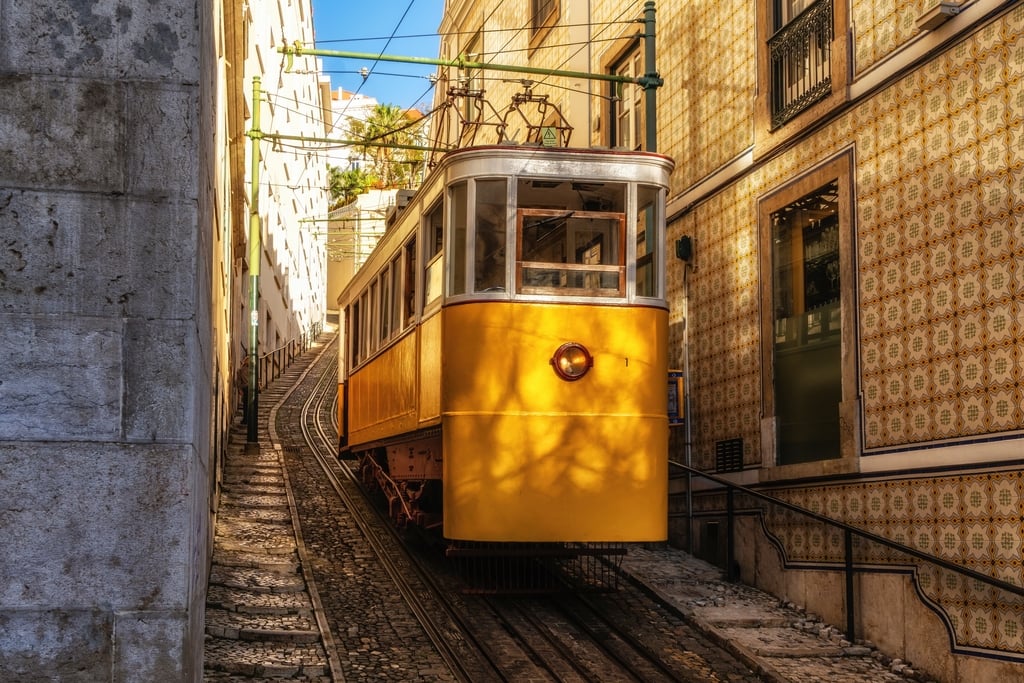
Then there are Lisbon’s hills. They are beautiful, very real and even more noticeable once combined with calçada portuguesa, the city’s traditional patterned limestone pavement, which can become slippery after rain.
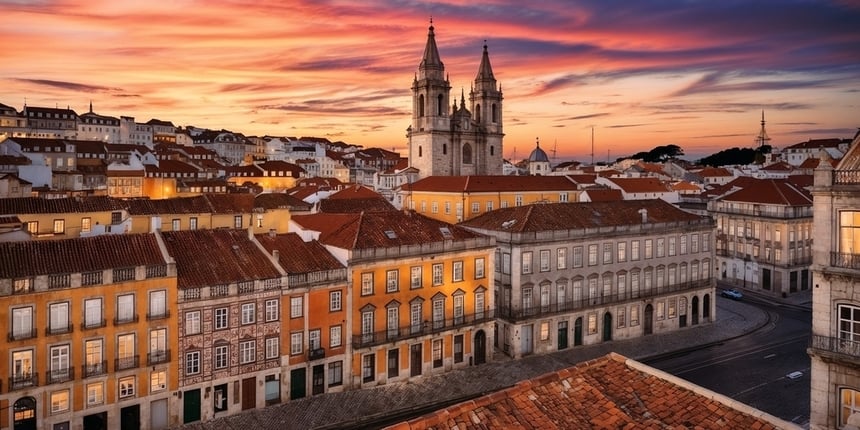
We combine short walks where they genuinely add something with private transportation between neighborhoods. That might mean a tuk tuk through the narrower streets, a vintage car, a sidecar, or a traditional private vehicle with a driver. Alfama, Mouraria and Lisbon’s famous viewpoints are all still part of the day, just without turning the city tour into an endurance test.
This is also where we begin revealing the Lisbon underneath the obvious one. Privately guided visits can lead into lesser-known corners, forgotten stories, and some of the spaces beneath the modern city. Lisbon has Roman ruins, Moorish layers, and traces of the city that existed before the devastating 1755 earthquake, all hidden beneath streets that visitors may have crossed dozens of times.
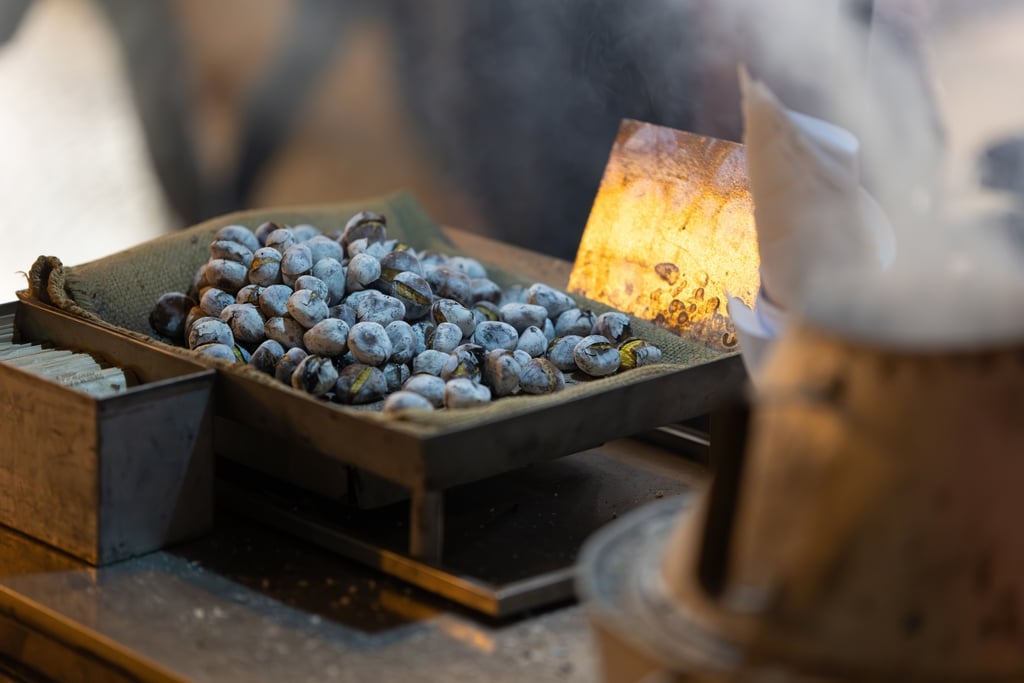
By November, castanhas assadas, roasted chestnuts, are back on street corners. Their smell is unmistakable, especially around São Martinho on November 11, when chestnuts are traditionally enjoyed with vinho novo, the new wine from that year’s harvest.
You may also come across água-pé, a lighter drink made by fermenting water with grape pomace, or jeropiga, a sweeter drink made from grape must fortified with grape spirit. We like weaving these seasonal flavors into a privately guided food outing, where the chestnut cart becomes part of a much bigger story about how Portugal marks the arrival of autumn.
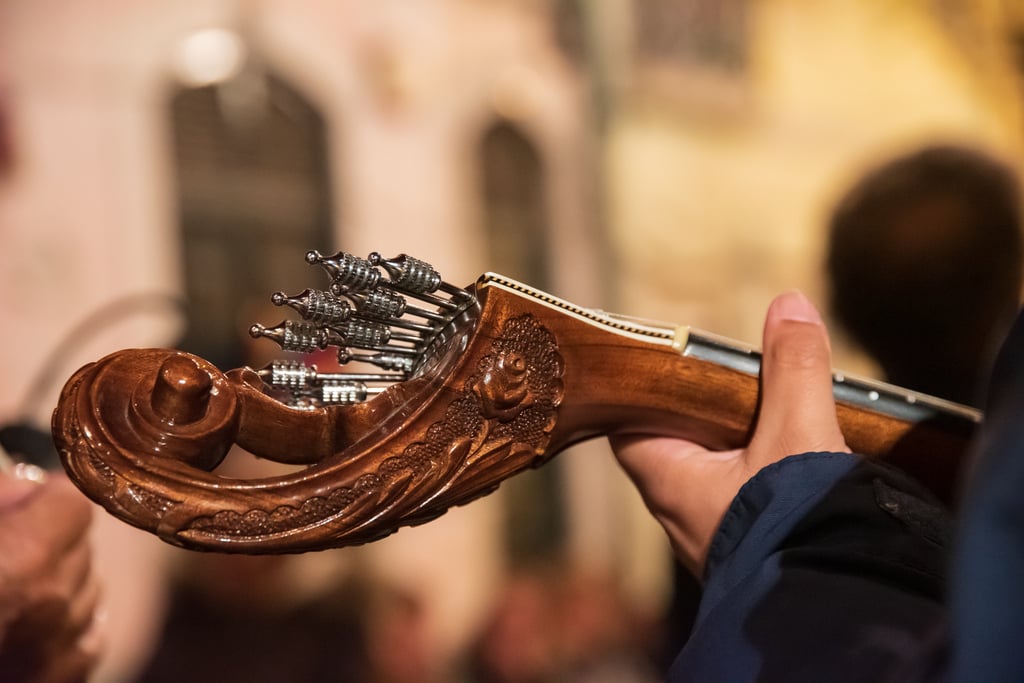
Fado deserves the same context. Before settling in for the evening, we introduce the neighborhoods and stories behind the music, including fado vadio, informal Fado traditionally sung by amateur performers when someone feels moved to take a turn.
Spontaneity cannot be booked for a particular hour, nor should it be. What matters is choosing the right setting and providing enough background so that the moment means something if it happens.
The Road South | Vila Nova de Milfontes
After Lisbon, we head south by private vehicle and complete the longer part of the drive before stopping in Vila Nova de Milfontes, where the Mira River reaches the Atlantic on the Alentejo coast.
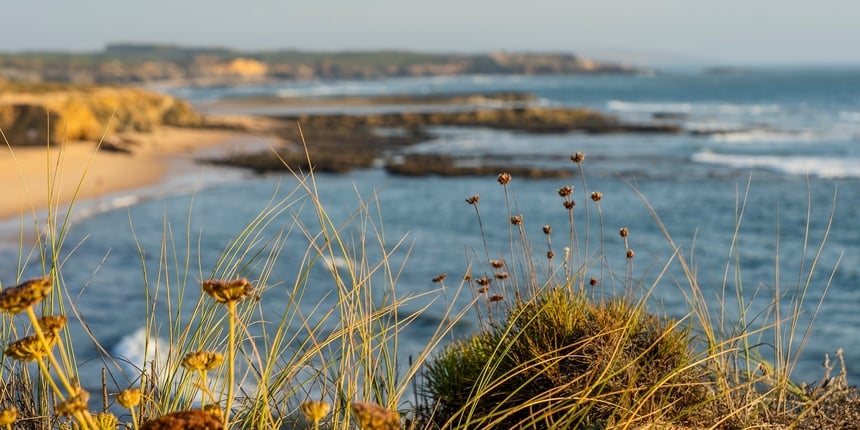
We keep the stop deliberately simple. A relaxed lunch centered on the fish and seafood of this coastline, some time beside the river, then the shorter final drive into the western Algarve.
The routing is practical too. Instead of stopping early and spending another long stretch in the car after lunch, most of the journey is already behind us.
Not every beautiful place needs a sightseeing program attached to it. Sometimes knowing Portugal means knowing exactly where lunch should happen.
Western Algarve | 2 Nights
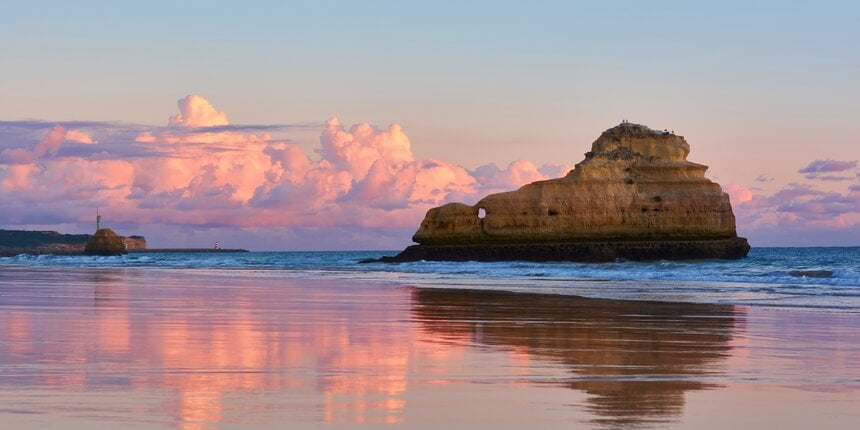
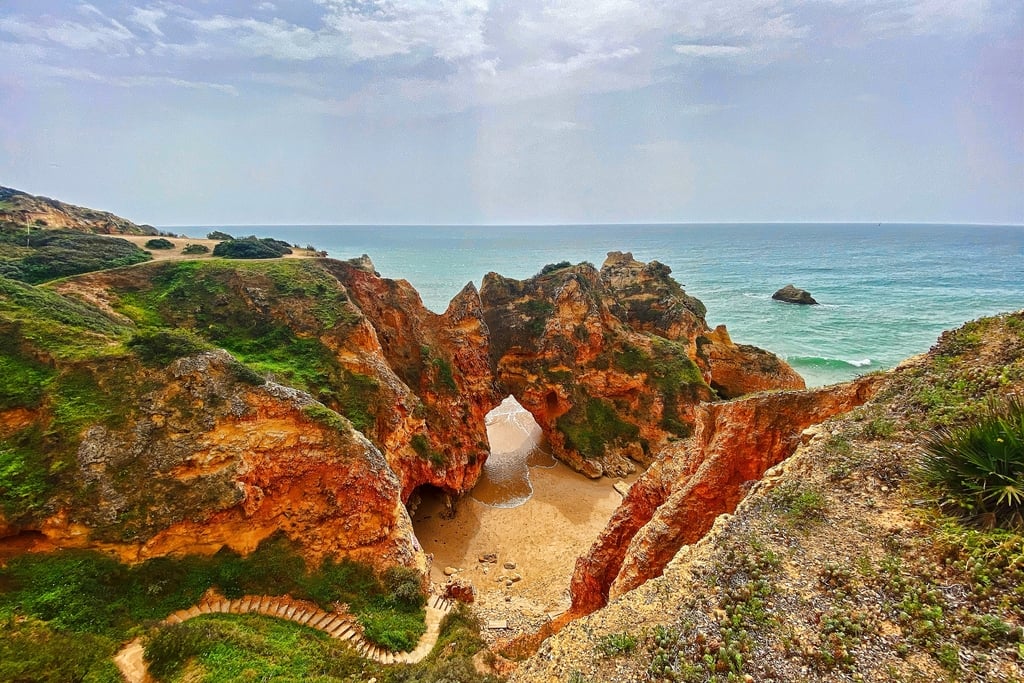
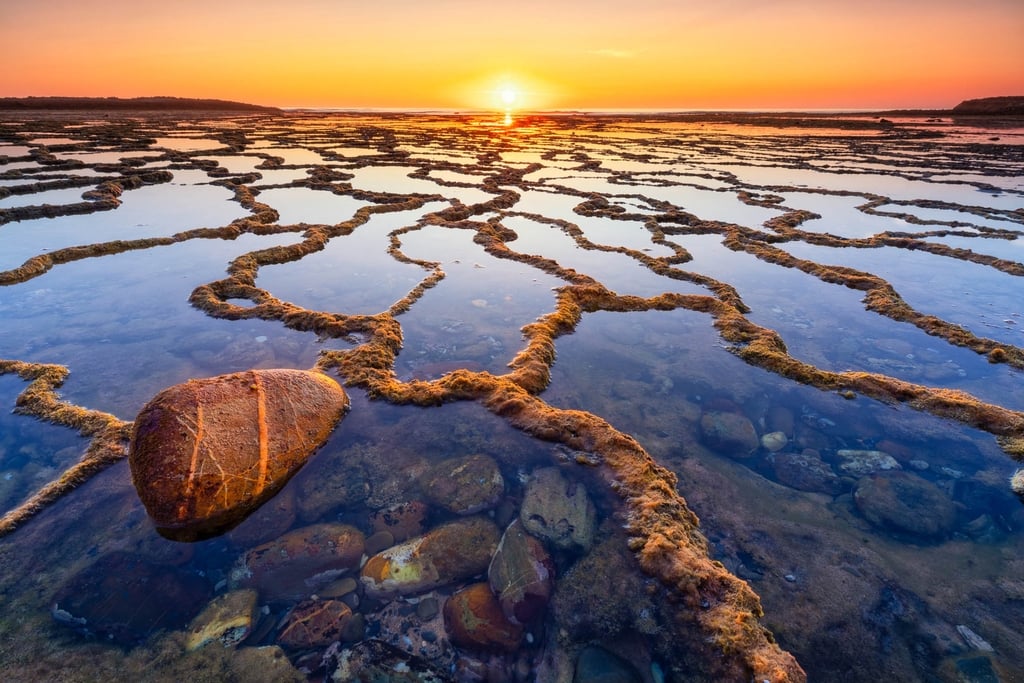
Late autumn reveals an Algarve we wish more people knew. The cliffs remain dramatic, and the Atlantic is still magnificent, but the coastal towns are starting to feel much more like themselves again.
With two nights, we keep the stay focused. If the sea cooperates, a private coastal outing can take in the limestone cliffs and rock formations of the western Algarve. November weather always has the final word, so the day also has an inland alternative that is every bit as worthwhile.
That can mean heading into the hills to discover medronho, a traditional spirit distilled from the red fruit of the strawberry tree. Small producers have kept this part of rural Algarve life alive for generations. Tasting it with someone who can explain how it is made gives the glass far more meaning.
November also comes with its own calendar. Around São Martinho, Portimão holds the Feira de São Martinho, a popular fair whose history reaches back to the seventeenth century. Roasted chestnuts, food stalls and fairground rides fill the grounds alongside favorites such as bifanas, thin seasoned pork sandwiches served in bread rolls, and pão com chouriço, bread baked with Portuguese chouriço sausage inside.
Later in the month, Aljezur celebrates batata-doce, the sweet potato so closely connected to the area that it has become part of its agricultural identity. When the dates line up, moments like these take visitors far beyond the Algarve they thought they knew.
A November stay here is not an attempt to recreate July. Cooler months give us more room to explore the food, inland villages and rural communities that can disappear behind the Algarve’s summer reputation.
Alentejo | 3 Nights
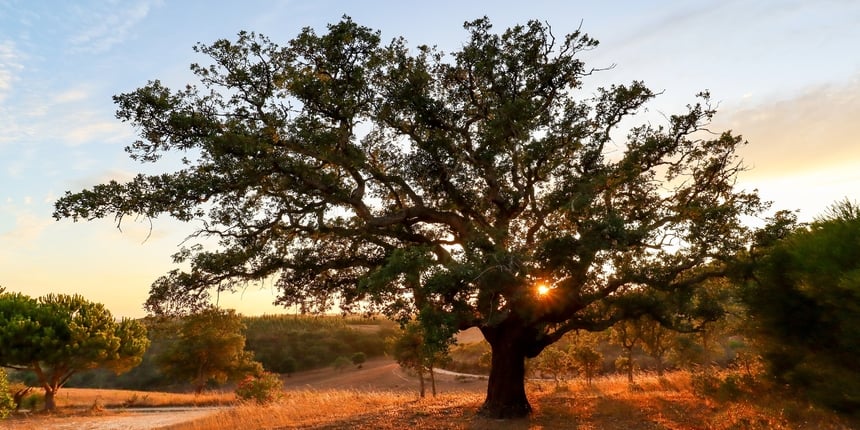
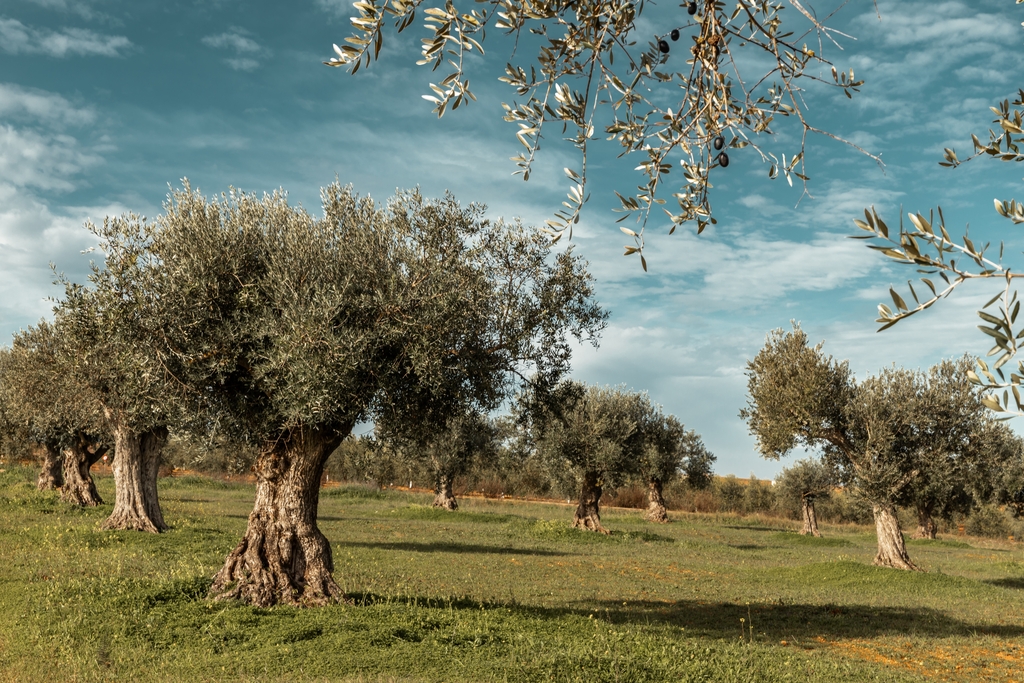
From the Algarve, we turn north into a landscape of cork oaks, vineyards and olive groves. Late October through November places us right in the middle of the olive harvest, making this an ideal time to visit a working lagar, the Portuguese word for an olive press.
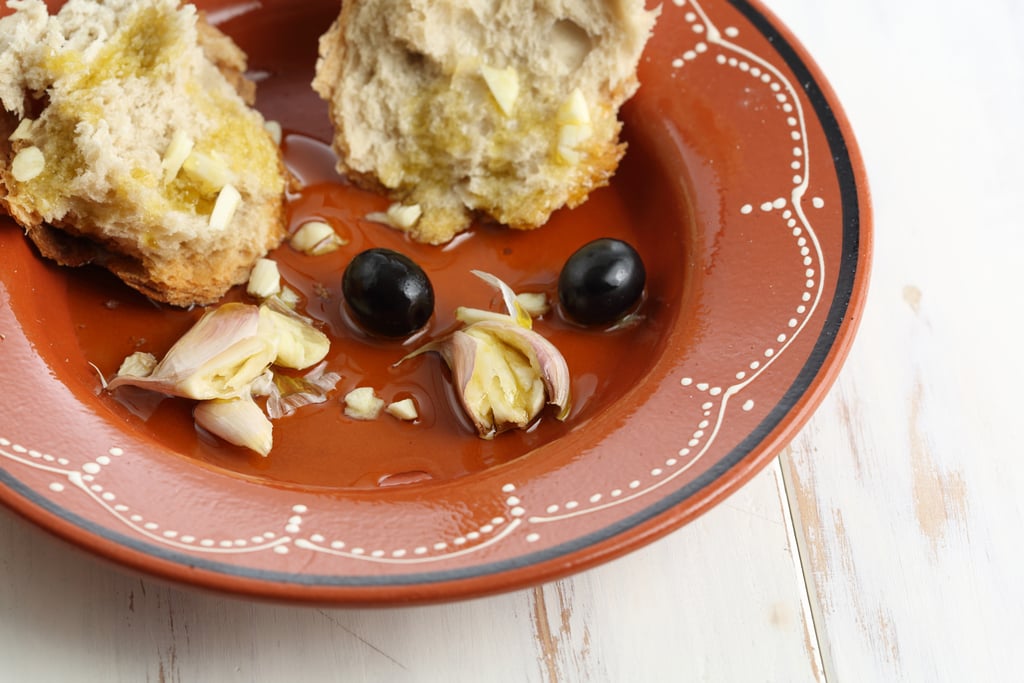
Freshly pressed olive oil can be vivid green with a surprisingly peppery finish. One of the simplest pleasures is tiborna, warm bread generously soaked in the new oil. When it has barely left the press, very little else is needed.
November also belongs to vinho de talha, wine made inside enormous clay vessels called talhas using a method that has survived in the Alentejo for centuries. Around São Martinho, the new wines are traditionally tasted as the talhas are opened.
A private visit with a producer who still works this way puts the method into context. Standing beside a talha while tasting the new wine feels worlds away from a conventional tasting room because the story remains so closely tied to the villages where it developed.
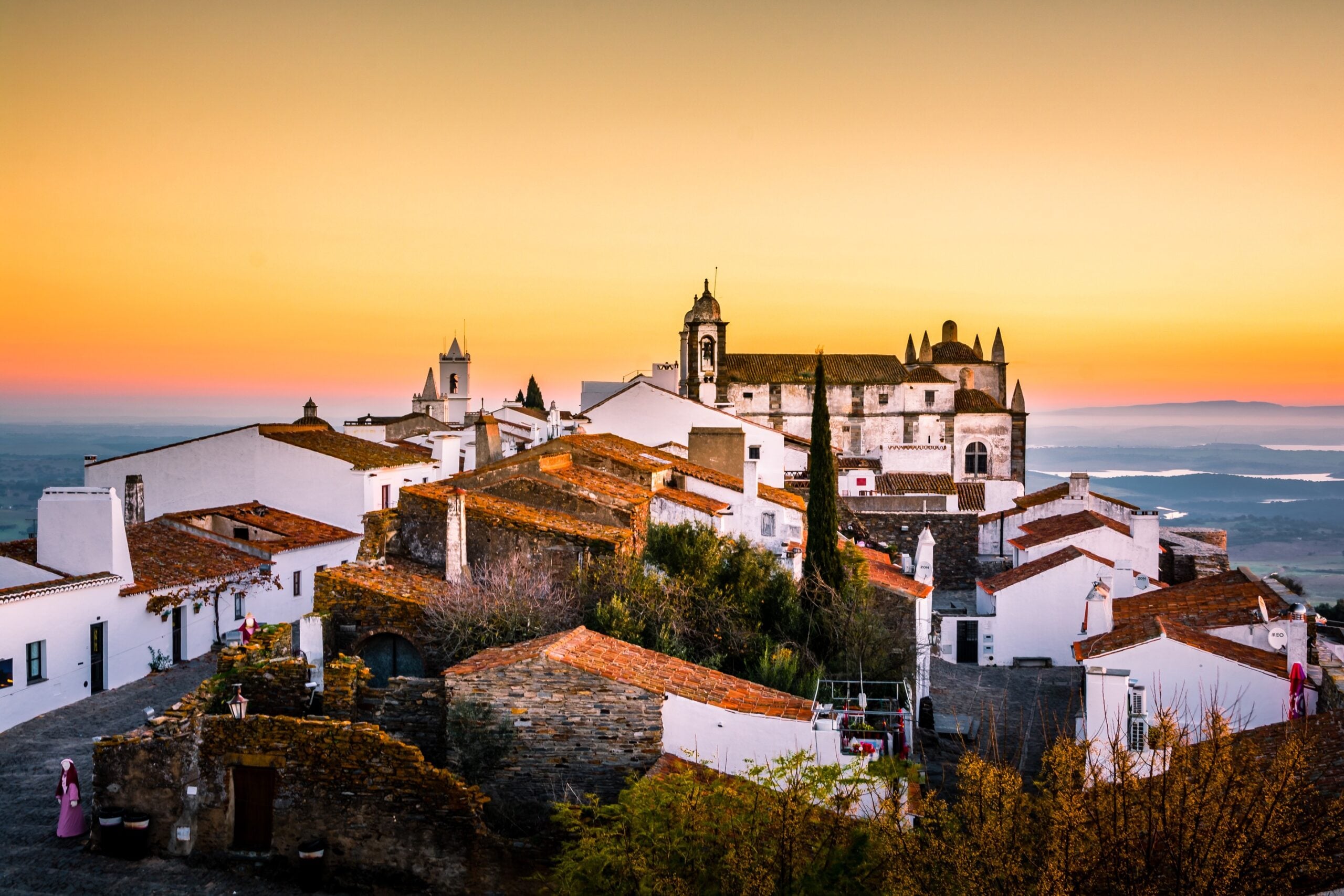
Then there is Cante Alentejano, the region’s traditional group singing performed without instruments. The songs grew from rural life, work and community, and UNESCO recognizes cante as Intangible Cultural Heritage.
We introduce it through the people keeping cante alive rather than treating it as entertainment added to dinner. The music makes far more sense once someone understands the landscape and the communities behind the voices.
Where we base these three nights depends on the trip style, hotel preferences, and budget. Octant Évora is one of our favorites for contemporary comfort with easy access to Évora and the surrounding countryside.
Octant Évora
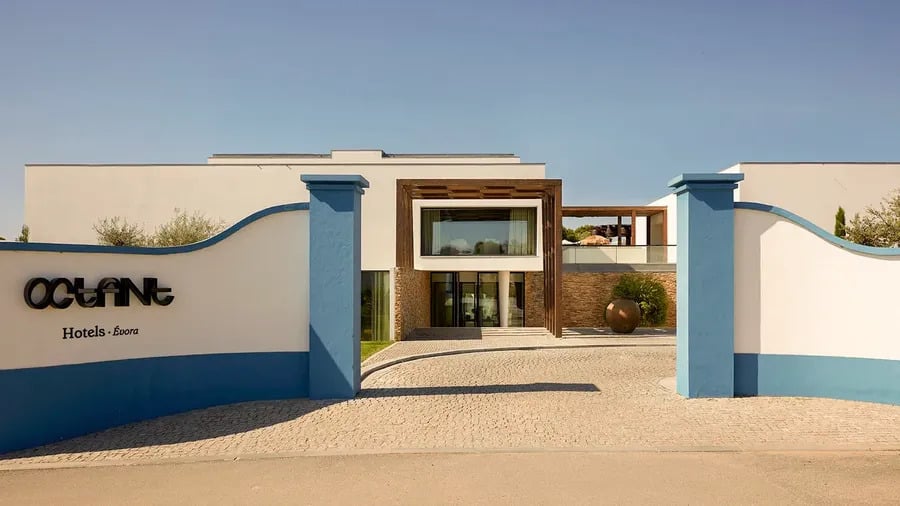
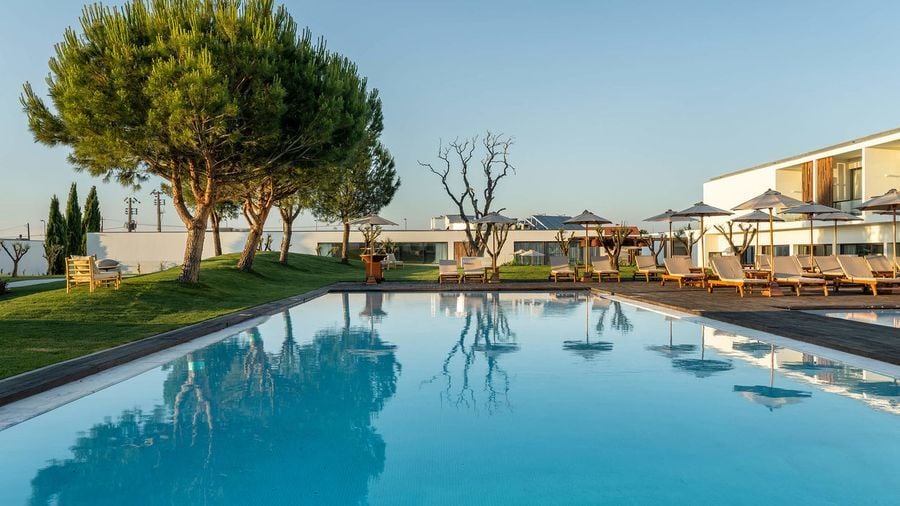
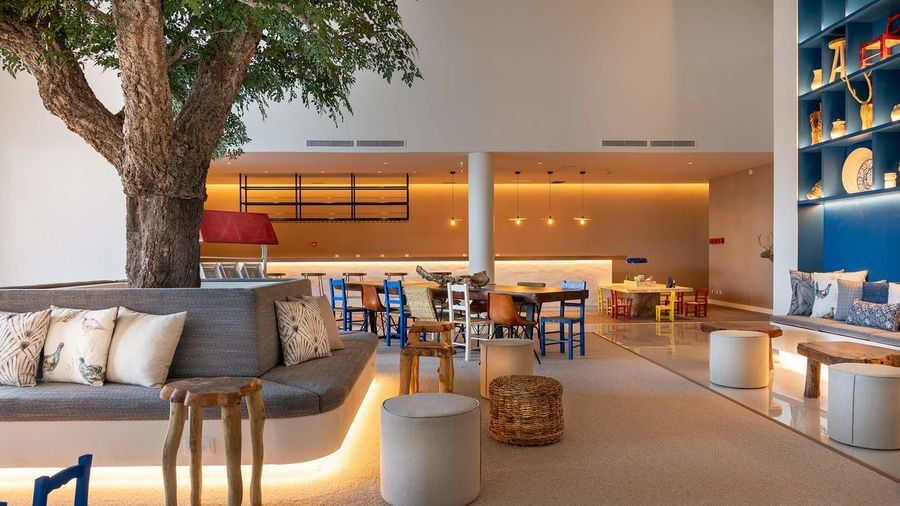
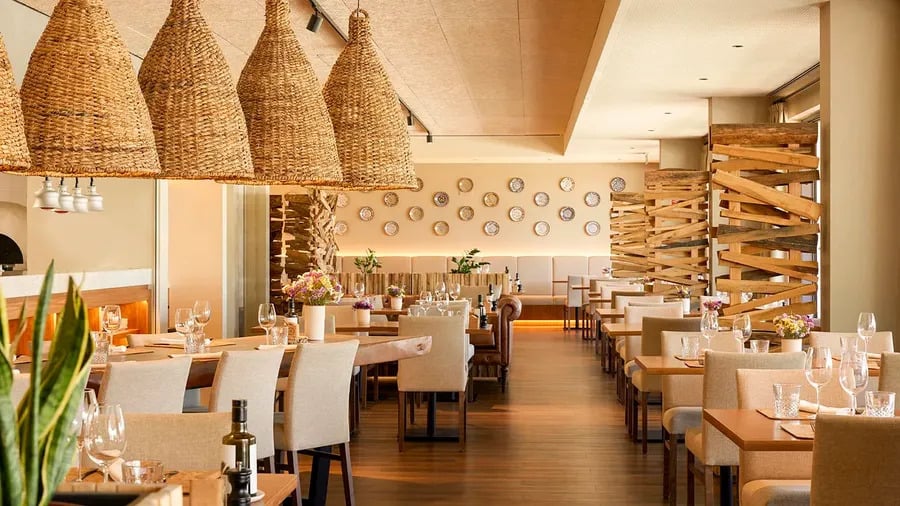
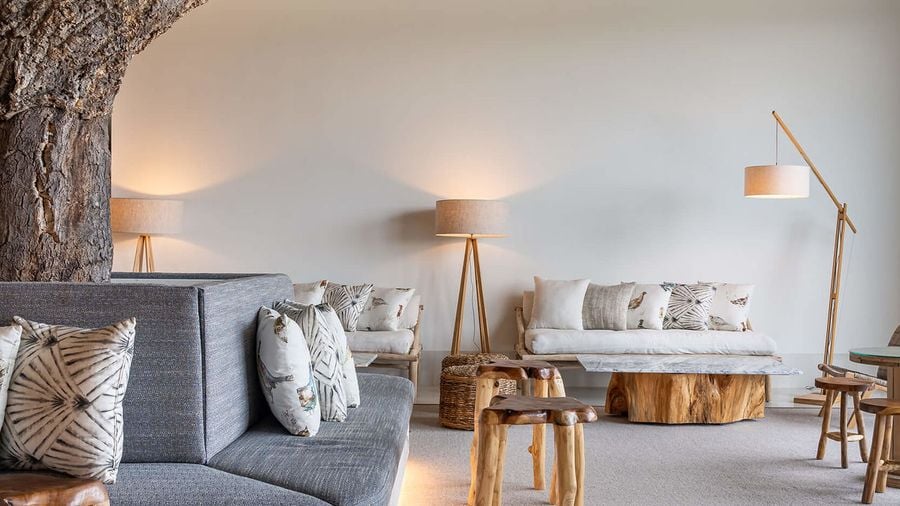
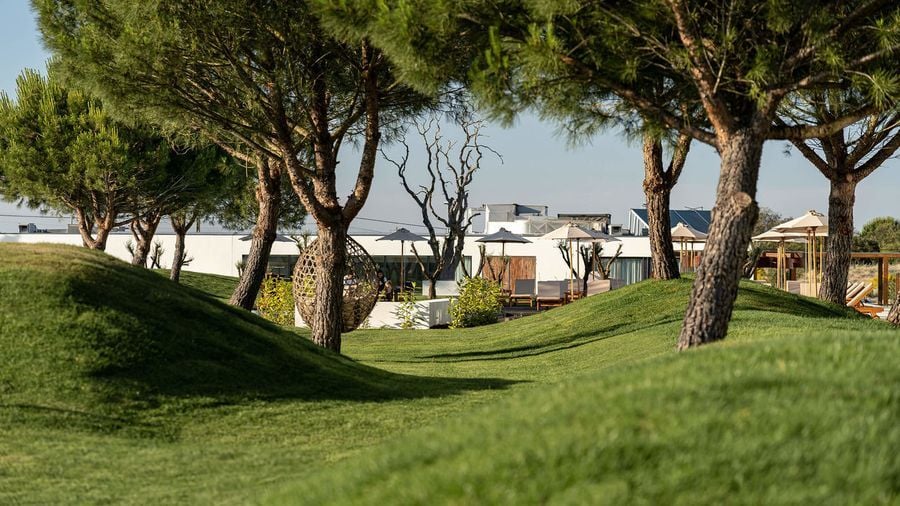
For something more exclusive with a strong connection to the traditional Alentejo landscape, we love São Lourenço do Barrocal near Monsaraz. Comporta offers another option for those drawn to design and the coast. However, for this particular autumn journey, we would generally favor Évora or Monsaraz when olive harvest, talha wine, and the interior are the priorities.
The base changes based on the person taking the trip, and the days are built around that choice. The Alentejo is far too varied to reduce to the same three nights in Évora every time.
Lisbon | 1 Final Night
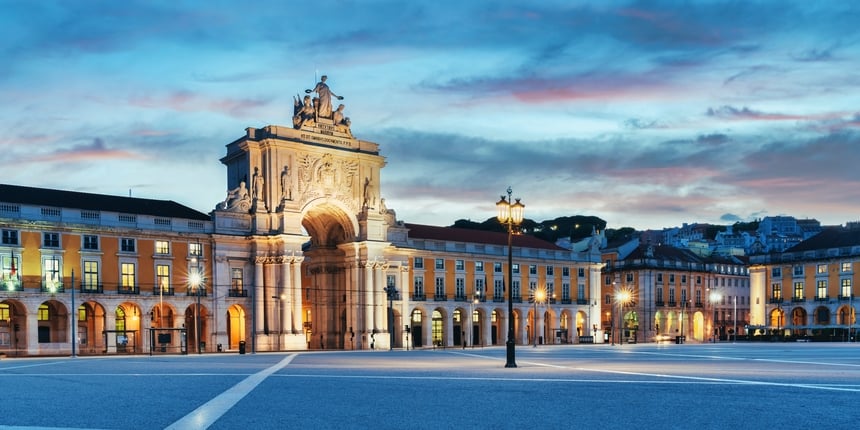
The final night brings us back to Lisbon. Most flights to the United States depart from here, often in the morning, so returning the previous day keeps the end of the trip simple and removes the need for another domestic connection.
We keep the evening relaxed. Return to a favorite neighborhood, choose a great restaurant, and enjoy the pleasure of understanding Portugal a little better than you did nine days earlier. By now, a bica no longer needs explaining, and the smell of roasted chestnuts may already feel familiar.
The following morning is equally straightforward, with a private transfer directly to Lisbon Airport.
Why We Love Portugal at This Time of Year
Late October and November will never guarantee perfect weather, and we would never pretend otherwise. What these months offer instead is space to experience Portugal with fewer distractions, to linger over a meal, spend longer with the people you meet and notice the small details that are easy to miss when everyone is rushing through the same places.
This is the Portugal we find ourselves falling for again and again. It feels closer to the people, the landscape, the food and the customs that continue whether visitors are watching or not. Our role is to know where those moments are most likely to happen, then create enough room in the journey for them to feel completely natural.
Because the Portugal we remember most is rarely the one we came expecting to find.