Austrian winters come with certain culinary obligations. Christmas biscuits need baking, sausages need sizzling, and a visit to the mountains is hardly complete without a generous helping of Kaiserschmarrn.
And if you’re struggling to pronounce Kaiserschmarrn or Gemütlichkeit, try again after a few forkfuls. You may not get the pronunciation right, but you’ll be too busy smacking your lips to care.
But enough of the linguistics. Let’s get to tasting winter in Austria!
Keep the Mug!
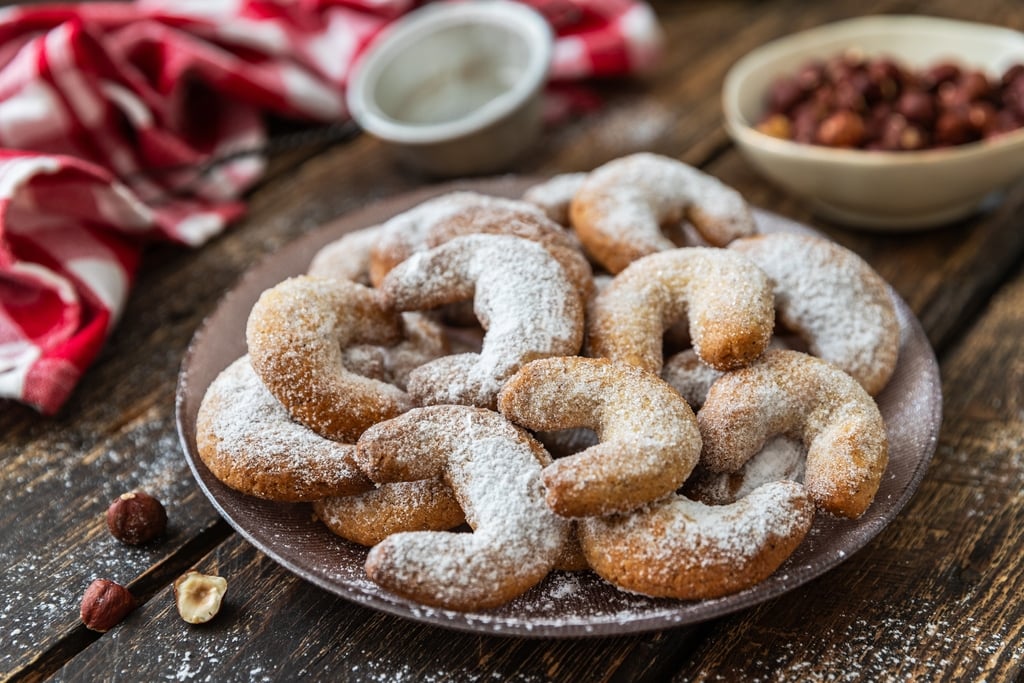
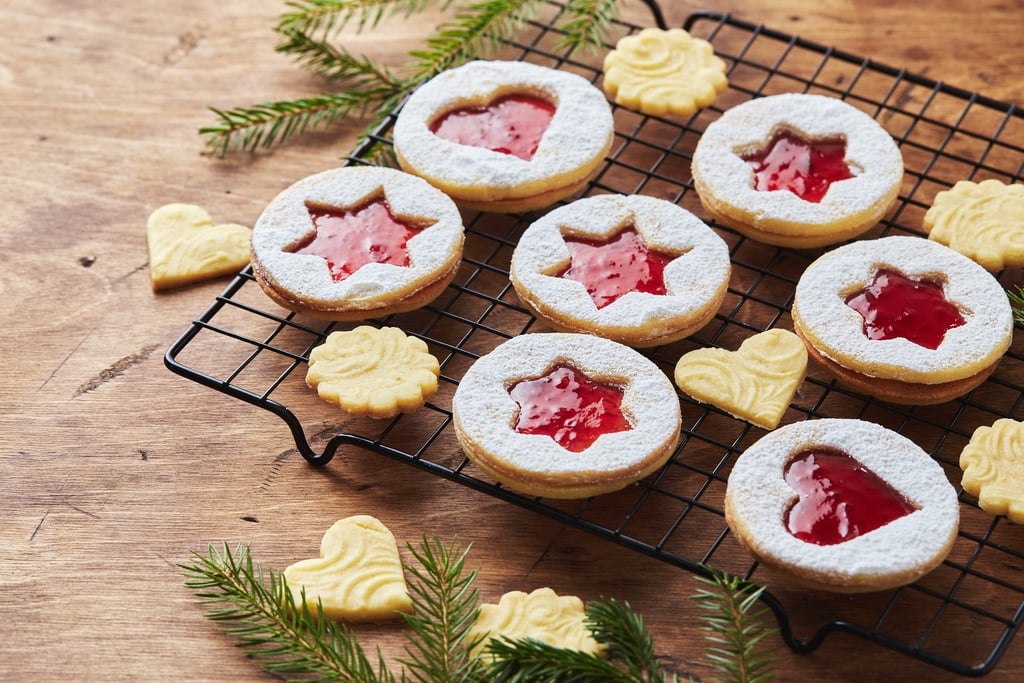
Austria’s Christmas markets have plenty to tempt visitors besides the decorations. Roasted chestnuts (Maroni), spiced punch and grilled sausages are familiar favorites, while Christmas biscuits such as buttery Vanillekipferl and jam-filled Linzer Augen are traditionally baked at home in quantities that are supposed to last until Christmas. Supposed to.
In Vienna, Art Advent at Karlsplatz has a particularly good reputation for handmade crafts and fully organic food stalls. Smaller Alpine towns offer a different experience, where the market is often as much a gathering place for locals as a festive attraction.
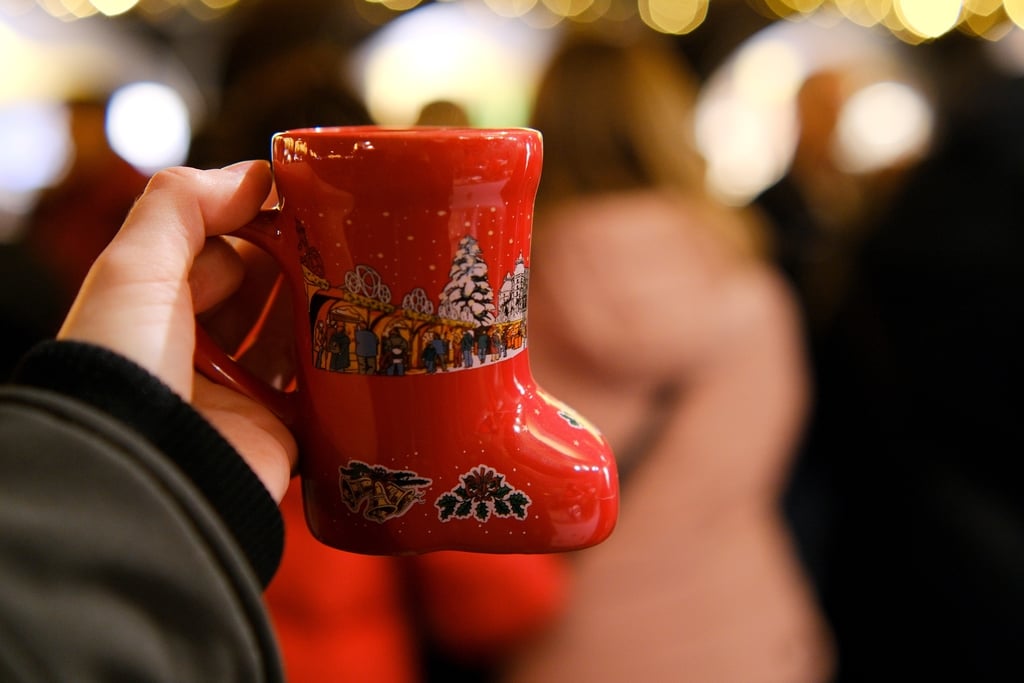
One useful detail: at many markets, you’ll pay a Pfand, or deposit, for your Glühwein mug. Return it for a refund or take it home as a souvenir. Karlsplatz even has its own special market mugs.
Salzburg’s Christkindlmarkt, set around the cathedral, has another tradition worth planning around. On December 5, 2026, Krampus arrives with elaborate horned masks, shaggy costumes and plenty of noise. December 6 brings the gentler St. Nicholas celebrations, including a children’s Krampus event. Advisors arranging family visits may want to choose carefully!
Lunch at 6,250 Feet
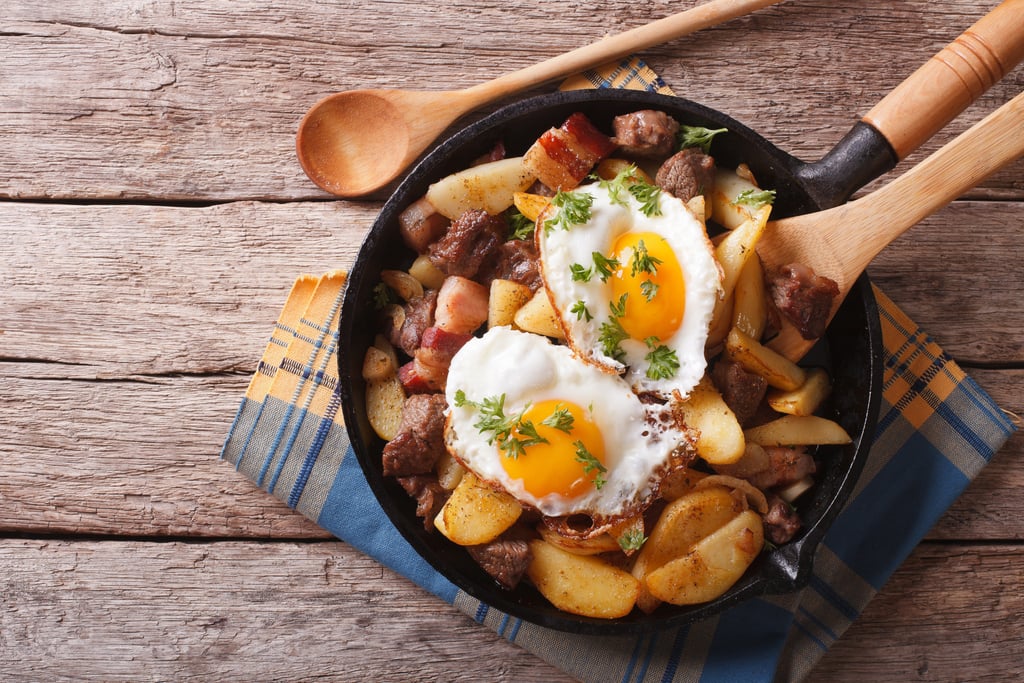
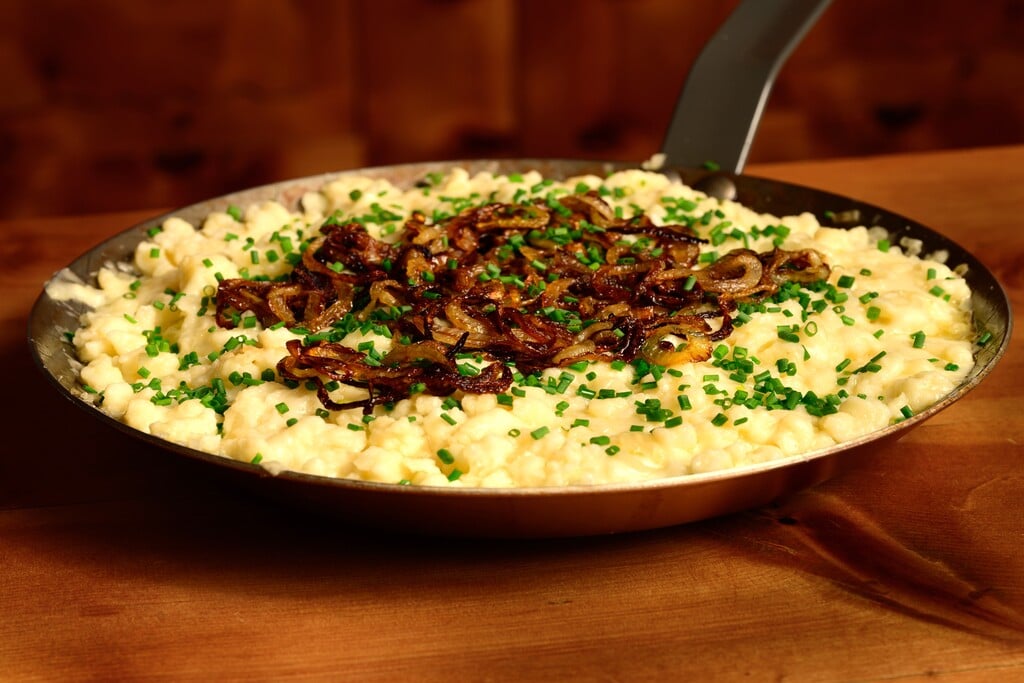
In Tirol, mountain huts are an essential part of winter life. Lunch can be as simple as a bowl of soup or as substantial as Tiroler Gröstl, fried potatoes with onions, meat and an egg. Kasnocken, soft dumplings with melted cheese and crispy onions, are another local favorite.
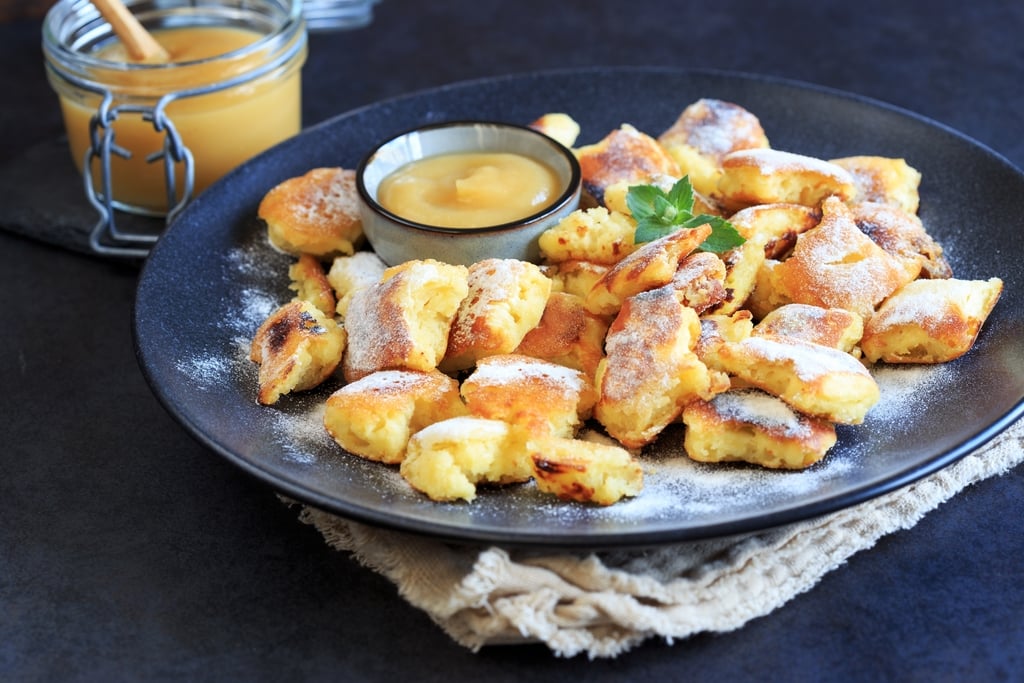
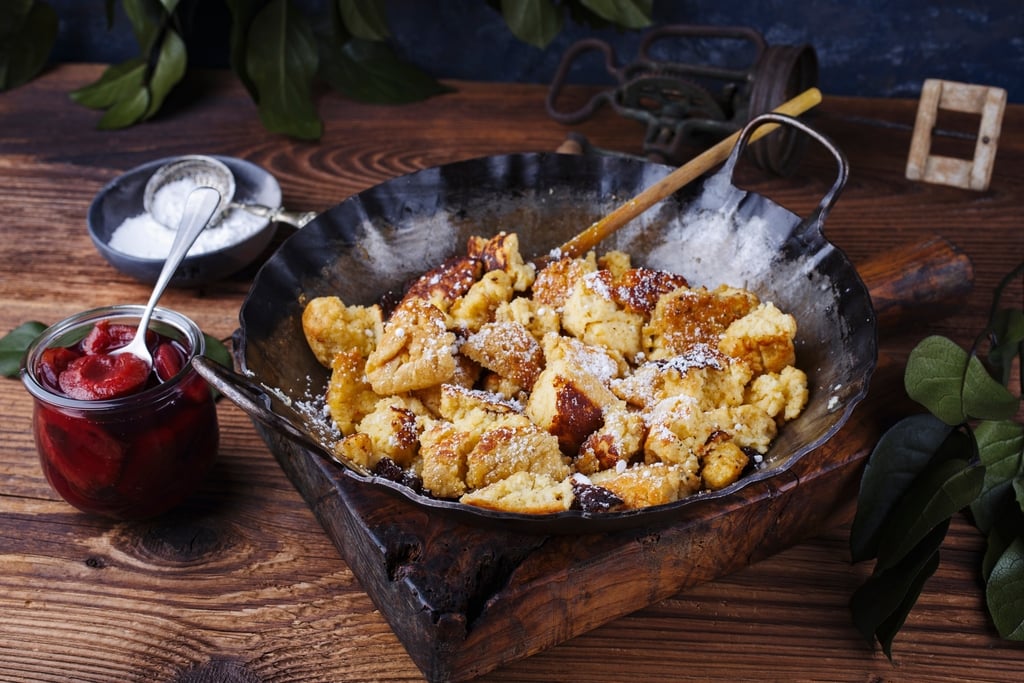
Then there’s Kaiserschmarrn, a fluffy shredded pancake served with plum compote or apple purée. Austrians happily order it as a main course, and the portions can be generous enough to share.
The best part is that skiing isn’t compulsory. Restaurant Seegrube by DoN sits at 6,250 feet above Innsbruck, reached by the Nordkette cable car in approximately 20 minutes from the Old Town area. The restaurant serves Tyrolean cuisine, and the views across Innsbruck are reason enough to make the journey. It’s an excellent option for clients who want an Alpine experience without spending the day on the slopes.
At Café Sperl, Order the Cake
Vienna’s traditional coffeehouses deserve their reputation, and Café Sperl has been welcoming guests since 1880. Its marble tables, billiards and wonderfully old-fashioned interiors are a good reason to spend an unhurried afternoon here.
Order a Wiener Melange, but consider skipping the usual Sachertorte. The original Sperl Torte is the house specialty, made with milk chocolate, almonds, cinnamon and vanilla. The recipe remains a secret, although the café will happily sell you a whole cake in a wooden box to take home.
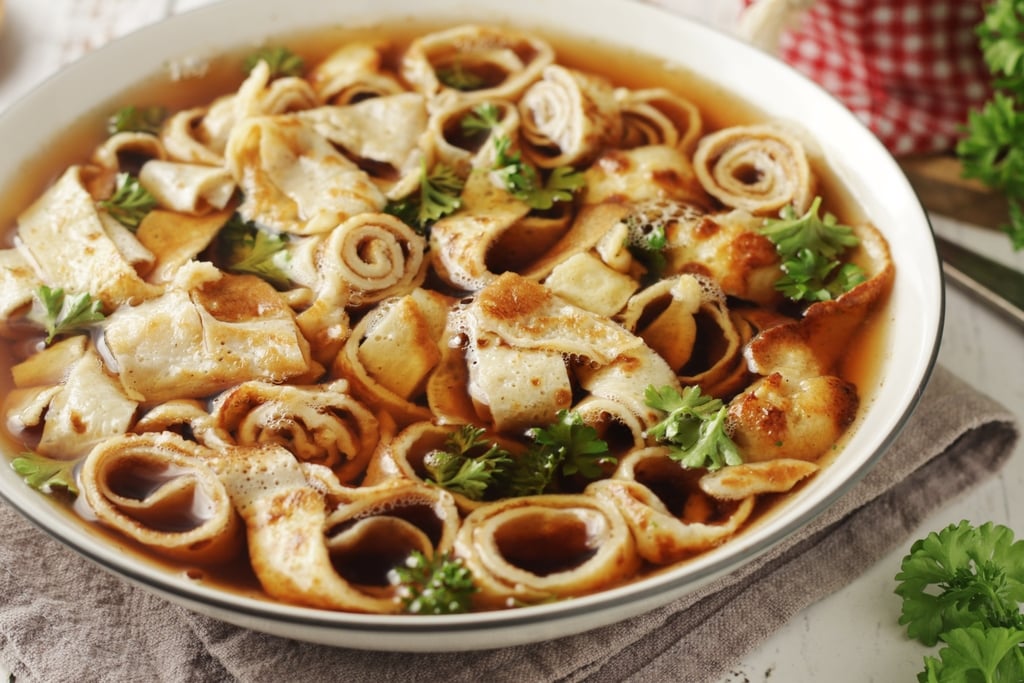
For a more substantial meal, try a traditional Viennese Beisl, the local equivalent of a neighborhood tavern. These unpretentious restaurants are where you’ll find classics such as Tafelspitz, goulash and Frittatensuppe, a clear broth with thin strips of pancake.
Gemütlichkeit
That easy pleasure of a good meal and taking your time has a name in Austria: Gemütlichkeit. And pronunciation aside, it’s something visitors tend to understand quite quickly.
Meanwhile, our team at Austria by Travelive is no stranger to the pleasures of Gemütlichkeit either and can incorporate regional food tours, traditional restaurant recommendations and culinary experiences into itineraries throughout the year. Winter simply gives you a few extra reasons to savor them on repeat.
So, if your travelers are ready to give Kaiserschmarrn a try, from both a culinary and a linguistic point of view, get in touch with Austria by Travelive at [email protected] and let’s get them a piece of Austria!