
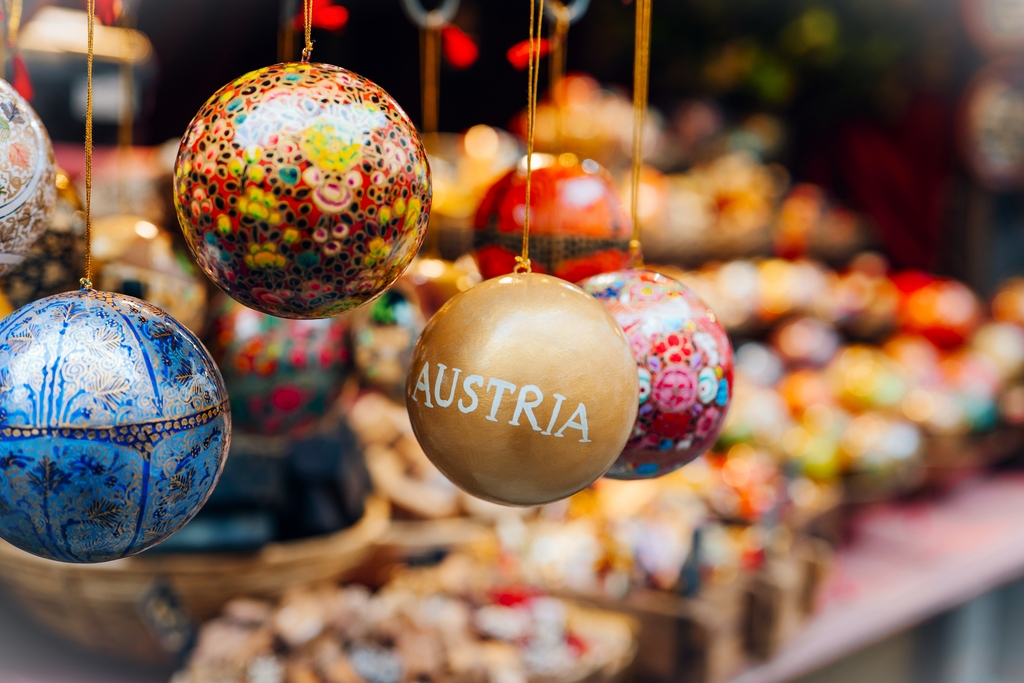
What does it take to feel like a true Austrian? Build an empire? Learn to dance the waltz? Eat a plateful of schnitzel and follow it up with a frothy beer?
Well, if it’s the latter, then consider us all a little Austrian at heart already. However, sometimes all it takes is throwing on a monstrous costume in Salzburg, ringing some bells in the streets of Ebensee, and jamming “Silent Night” at its birthplace in Oberndorf.
Which is what Austria by Travelive invites travelers to do by visiting the country during the winter season and embracing some of its most cherished celebrations and traditions. And here are five that guarantee to have them feeling a bit more Austrian come New Year’s.
Rauhnächte — The Twelve Nights

What do you do once the holiday market stalls have closed and the mulled wine is gone? You celebrate the Rauhnächte, the mysterious twelve nights surrounding the turn of the year.
Traditionally observed between Christmas and Epiphany, this atmospheric period sees homes and stables “smoked” with incense to ward off evil spirits, while the nights invite reflection, rituals, and a little fortune-telling about the year ahead.
Today, the tradition has found a natural home in Austria’s wellness scene, with Alpine hotels incorporating Rauhnächte rituals into winter wellness experiences. For travelers seeking something more meaningful than a festive escape, it offers a fascinating way to welcome the new year the Austrian way.
Perchtenlauf — When the Monsters Come Out
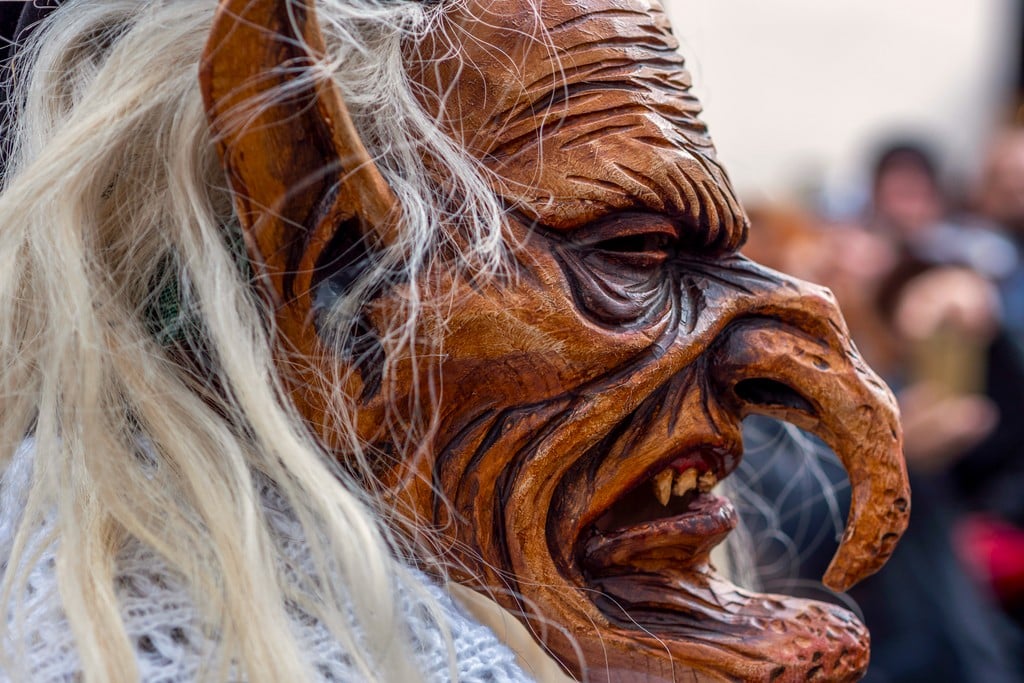
Should you find yourself in the Salzburg region from December to January, don’t be scared to find that it’s filled with monstrous creatures. For that’s merely the Perchten coming out to chase away evil spirits and welcome the new year.
With their elaborate masks, fur-covered costumes, enormous bells, and decidedly terrifying appearances, these figures take to the streets during the Rauhnächte, particularly around Epiphany, in dramatic processions known as Perchtenläufe. Some are frightening (Schiachperchten), while others are more beautiful (Schönperchten), but all make quite the impression.
For travelers seeking a winter experience that goes beyond holiday markets, a Perchtenlauf offers a spectacular glimpse into Austria’s living folklore, complete with plenty of snow, bells, masks, and monsters.
Learn More
Even though the Perchten may look a little like Krampus, the two are not exactly the same. While both feature elaborate masks, fur, bells, and plenty of fright, the latter traditionally appears around December 5, accompanying St. Nicholas, while Perchten are associated with the Rauhnächte and the transition into the new year.
So, if travelers encounter a terrifying, bell-ringing creature in Austria, the calendar will tell them whether they should be saying “Merry Christmas” or “Happy New Year!”
Glöcklerlauf — Bells, Lights & a Little Local Magic
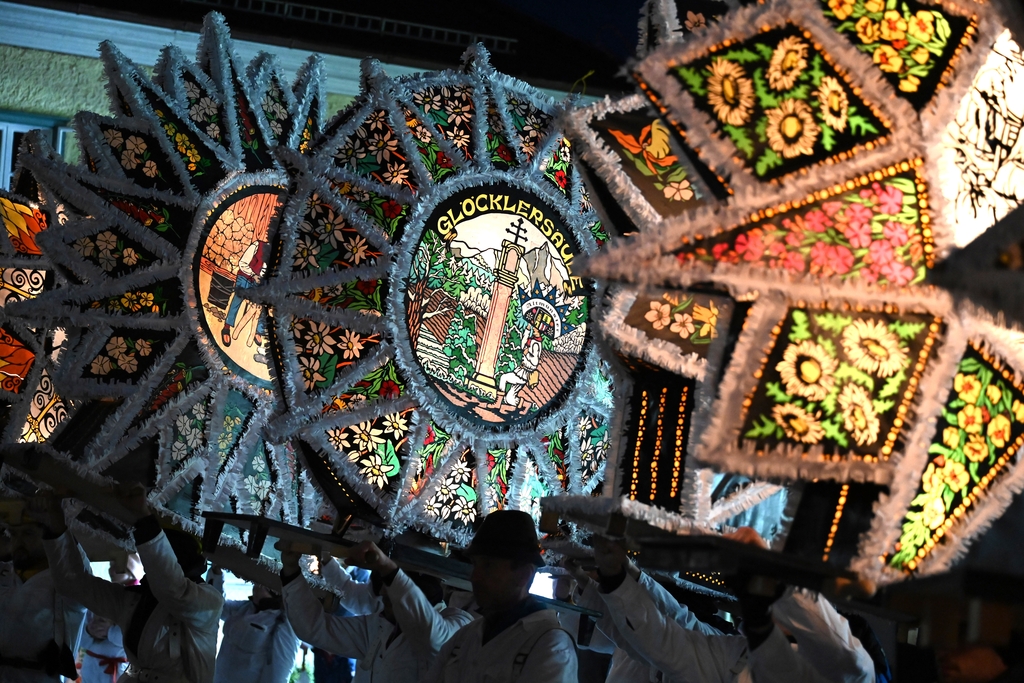
Hearing Jingle Bells yet? Well, come winter in Austria you definitely will. Because that’s when Glöcklerlauf rings in the season.
Taking place on January 5, particularly in the lakeside town of Ebensee, the procession sees groups of Glöckler dressed in white and carrying large, handcrafted caps illuminated from within. Adorned with intricate geometric and symbolic designs, the caps glow against the winter darkness as their bells ring through the streets.
For travelers looking to experience Austria beyond its famous cities and ski resorts, the Glöcklerlauf offers a memorable glimpse into local craftsmanship, community, and living tradition, all wrapped up in one spectacular winter evening.
Sternsinger — When the Three Kings Come Knocking
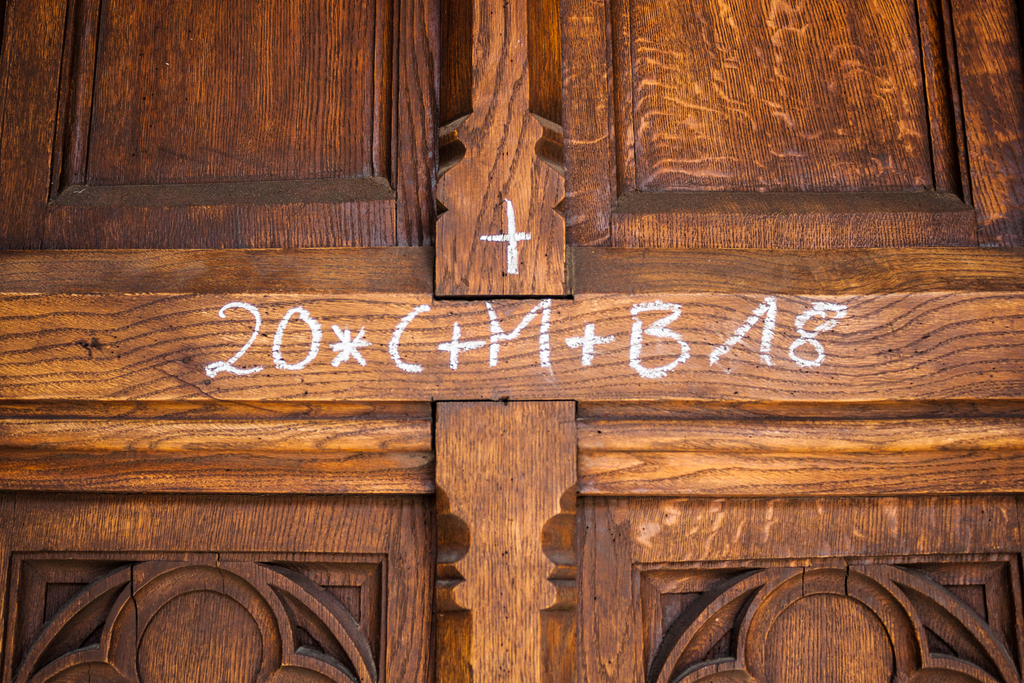
Nobody expects to find three kings knocking on their door, even around the holidays. Unless, of course, you’re in Austria.
Around Epiphany, the Sternsinger tradition sees children and young people dressed as the Three Kings bring songs, blessings, and a little star power to homes around the country. A typical visit will also see the Magi inscribe C+M+B along with the year above the doorways, marking the home with a traditional blessing. Talk about making an entrance.
For travelers looking to experience the warmth of Austrian life beyond its postcard-perfect landscapes, the Sternsinger offer a charming glimpse into a tradition built around music, community, generosity, and a little Epiphany magic.
Silent Night — The Sounds of Austria
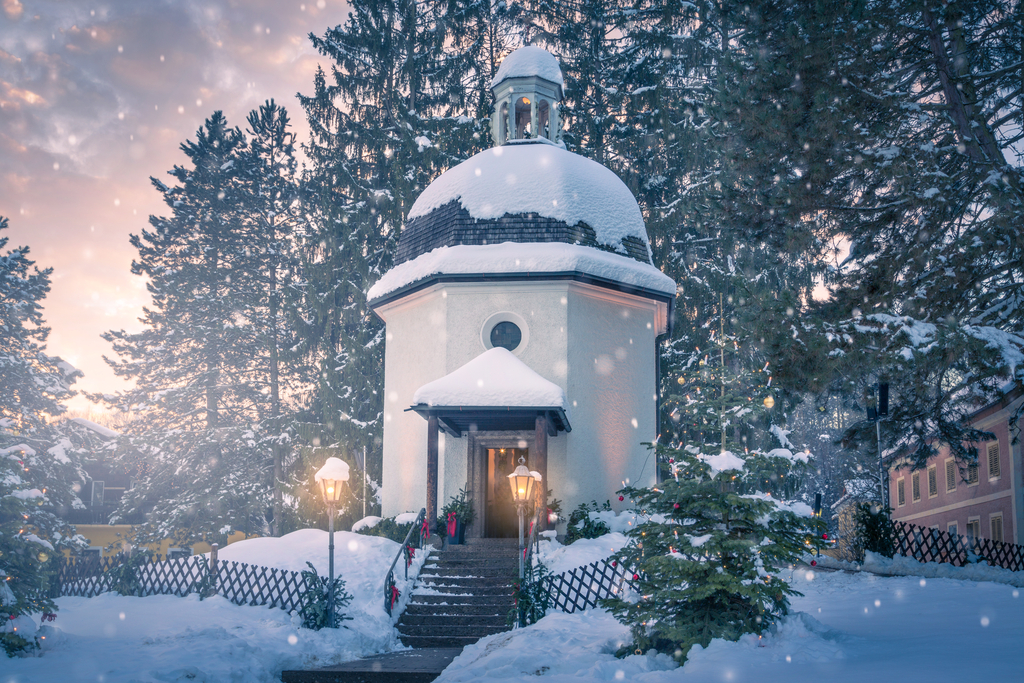
What’s a holiday season without a few carols? Especially a top hit like “Silent Night! Holy Night!”
And there’s no better place to sing it than just outside Salzburg, in the small town of Oberndorf, where it was first heard on Christmas Eve in 1818. Written by Joseph Mohr and set to music by Franz Xaver Gruber, the song would eventually travel far beyond Austria, becoming a Christmas classic known around the world.
Today, travelers can visit the Silent Night Chapel, built on the site of the church where the song was first performed. For those looking to add a few extra notes to a winter journey through Salzburg, it’s a chance to experience the story behind the song, right where it all began.
Bonus Fact
Although “Silent Night! Holy Night!” was written and composed by the aforementioned Joseph Mohr and Franz Xaver Gruber, the beloved carol was initially attributed to a number of notable composers, including Haydn, Schubert, and even Salzburg’s very own Wolfgang Amadeus Mozart!
A Little More Austrian, A Lot More Festive
Who knew that capturing Austria’s true spirit would mean embracing its holiday traditions?
Well, now you do. Because when it comes to discovering Austria beyond the guidebook, few seasons offer a more immersive, musical, and even fantastical way to do it.
So, whether your travelers are looking to embrace local traditions, discover Austria’s cultural heritage, or simply add a little more magic to their winter escape, contact our local Austria by Travelive team at [email protected] and let’s make their next Austrian adventure a little more traditional and a lot more festive.