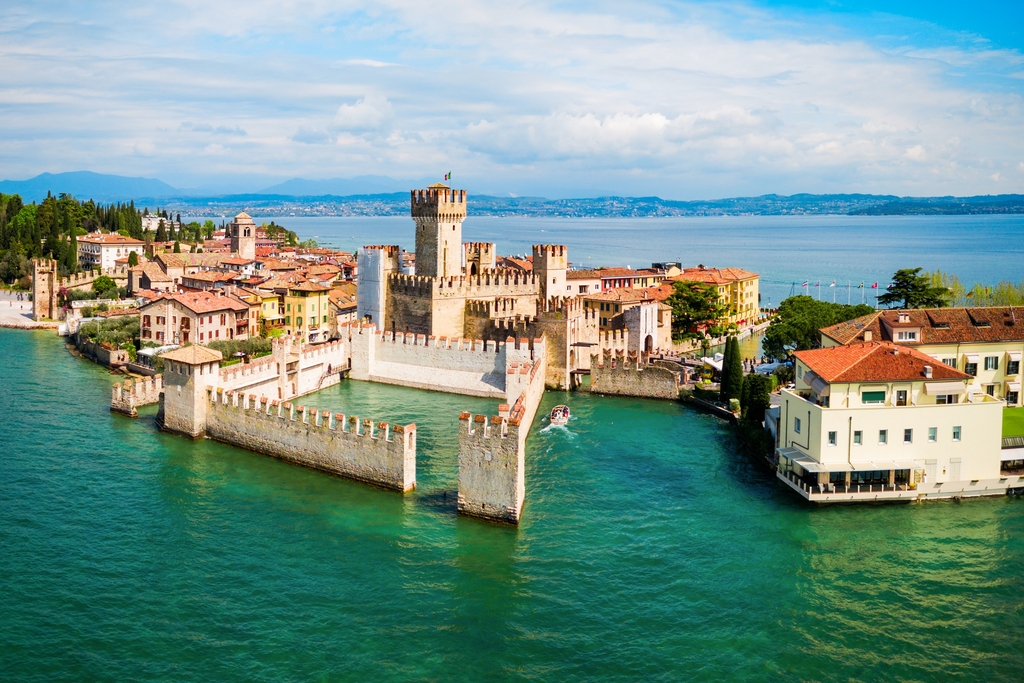
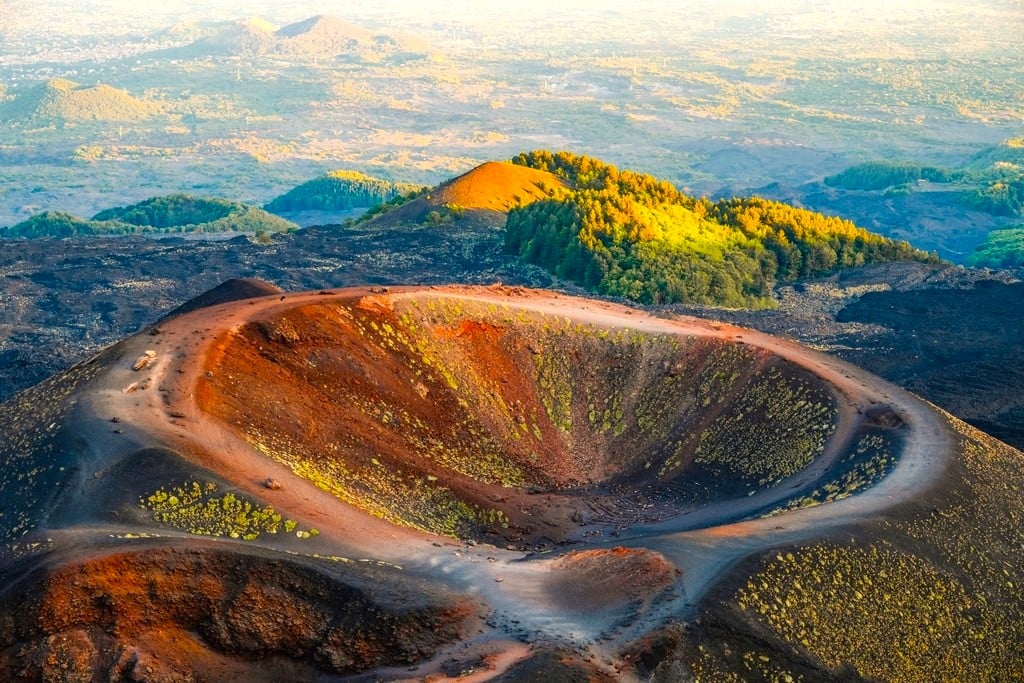
Italy’s famous cities never lose their appeal. After experiencing Rome, Florence and Venice, many travelers simply want to keep going. That is part of Italy’s pull. A few hours on the road can change the food, the landscape and even the rhythm of the day.
The next trip may lead to a masseria among Puglia’s olive groves, a vineyard on the slopes of Mount Etna, a granite cove in Sardinia or a mountain trail above the lakes of Northern Italy. Each place offers a new way to understand a country that never seems to run out of stories.
Puglia: Come Hungry
Plans for sightseeing often give way to a much longer lunch than expected. Days move easily between olive groves, family kitchens, hill towns and the sea, with little reason to keep checking the time.
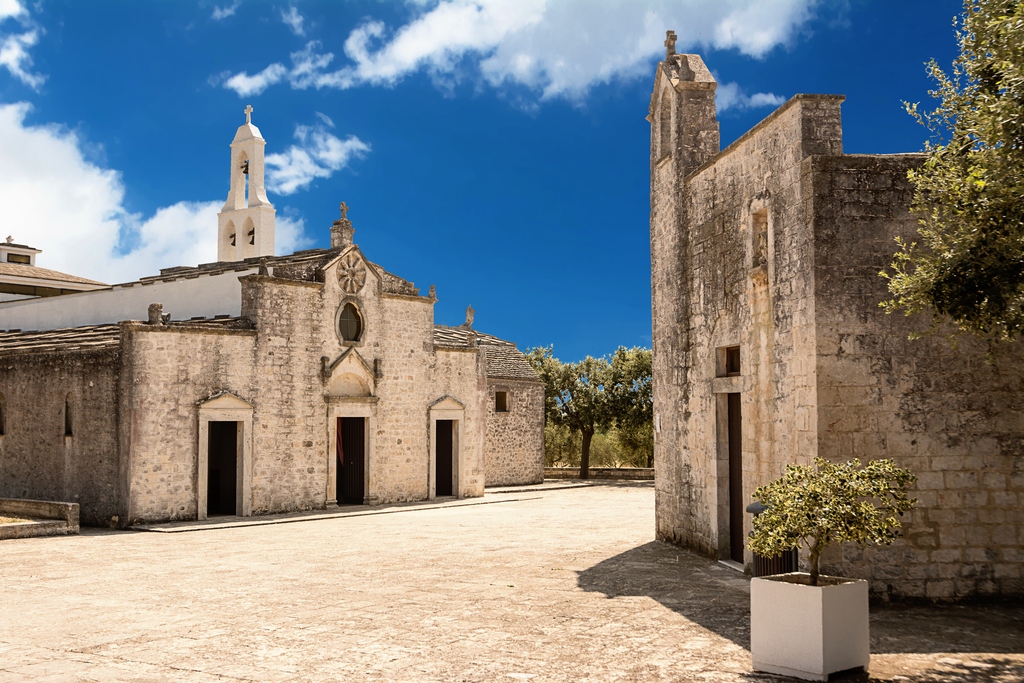
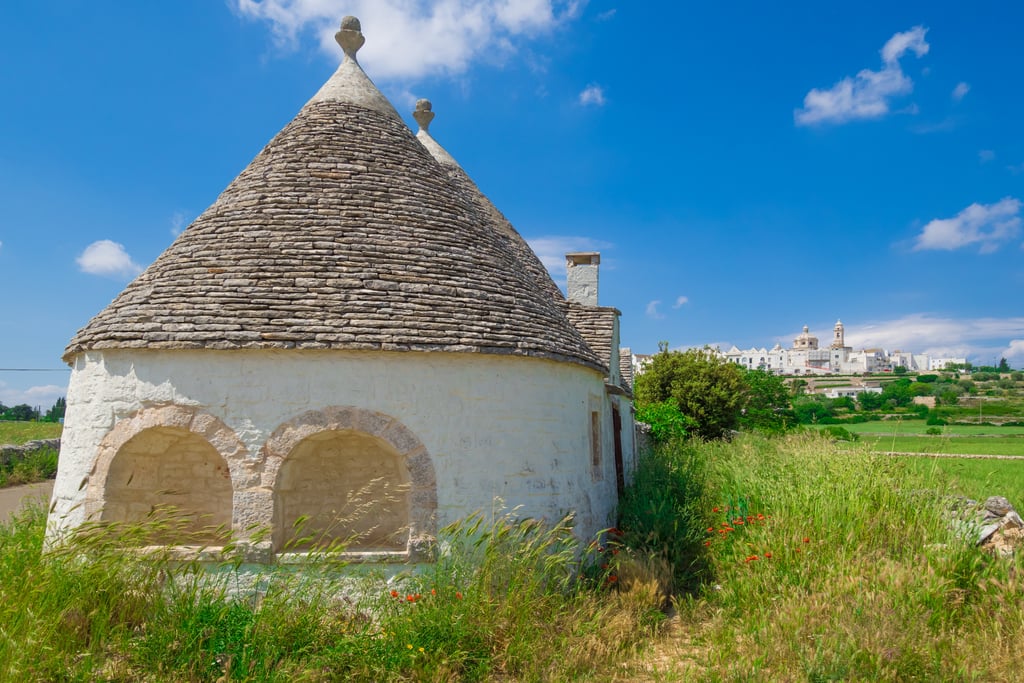
Trulli appear among the vineyards and dry-stone walls of the Itria Valley, while Locorotondo, Martina Franca and Cisternino invite slow walks through whitewashed lanes and flower-filled courtyards. The towns often grow quiet during the hottest part of the afternoon, then come back to life later than many visitors expect. As the heat fades, families return to the streets, tables fill and the evening gathers naturally around the piazza.
Many travelers choose a masseria, one of the old agricultural estates now run as a small country hotel. Breakfast may include olive oil, cheese, vegetables and fruit from nearby farms, keeping the stay connected to the land around it.
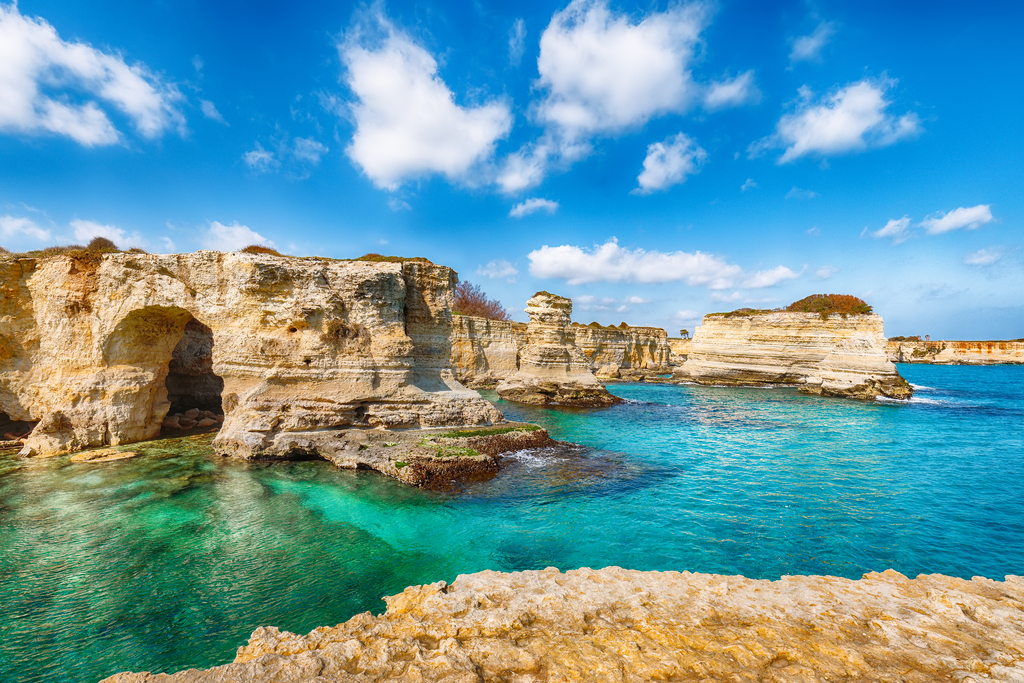
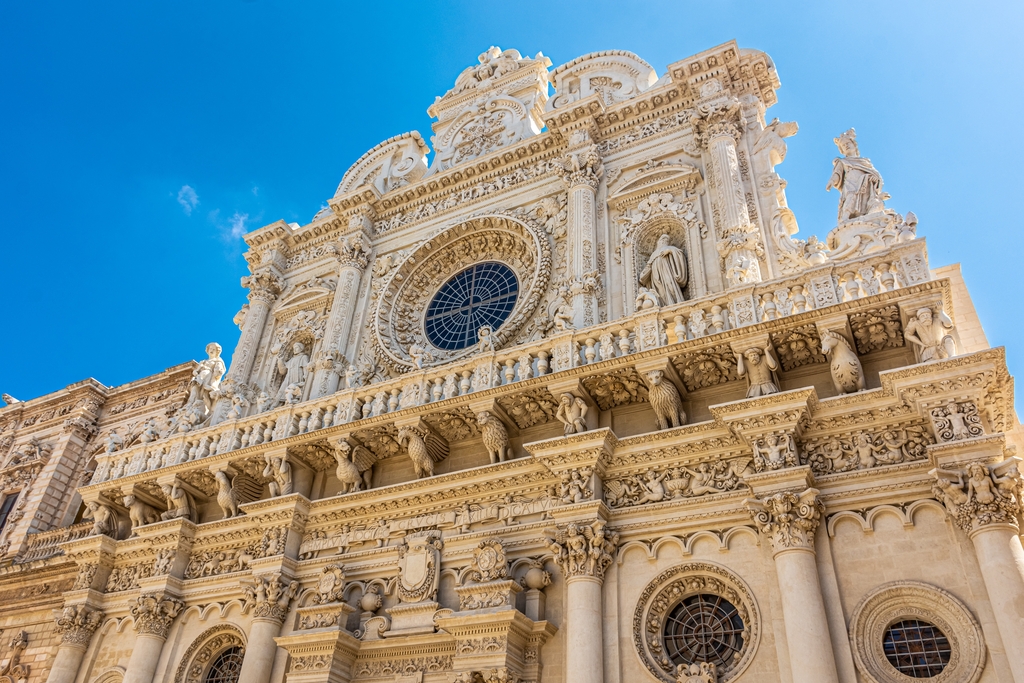
Carved Baroque façades and warm limestone streets give Lecce a more theatrical mood. From there, the road continues toward Otranto and the beaches of Salento. Two well-chosen bases leave enough time for spontaneous stops, village dinners and the lunches that stretch happily into the afternoon.
Sicily: A World of Its Own
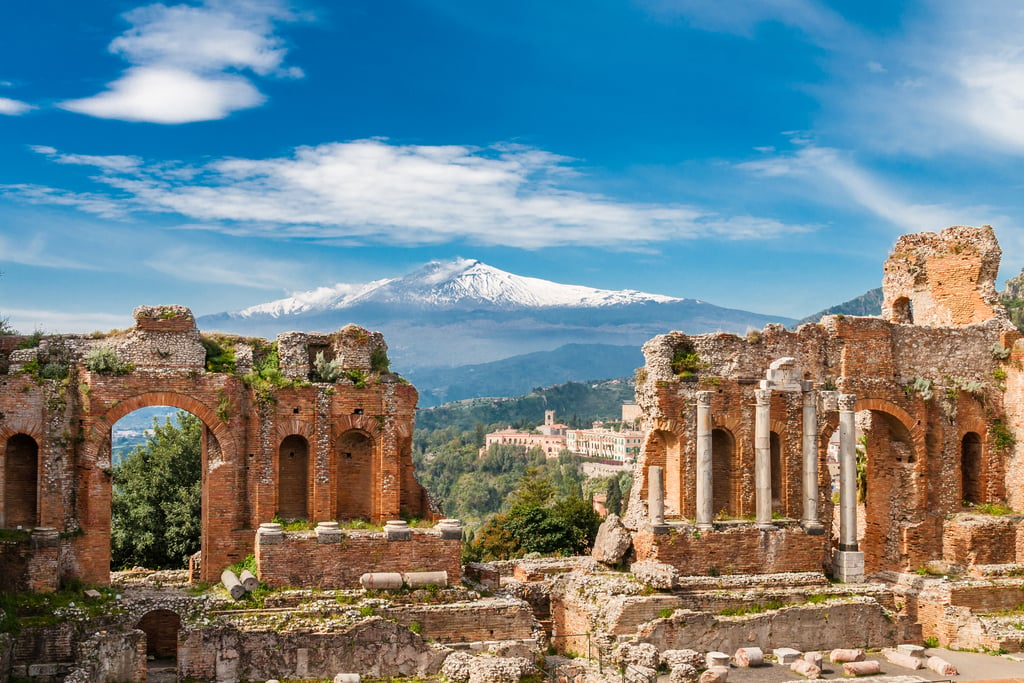
Sicily can feel like several destinations folded into one island. Greek temples, Norman churches, Baroque towns, crowded markets, fishing villages and vineyards on volcanic slopes all belong here, yet each part of the island has its own character.
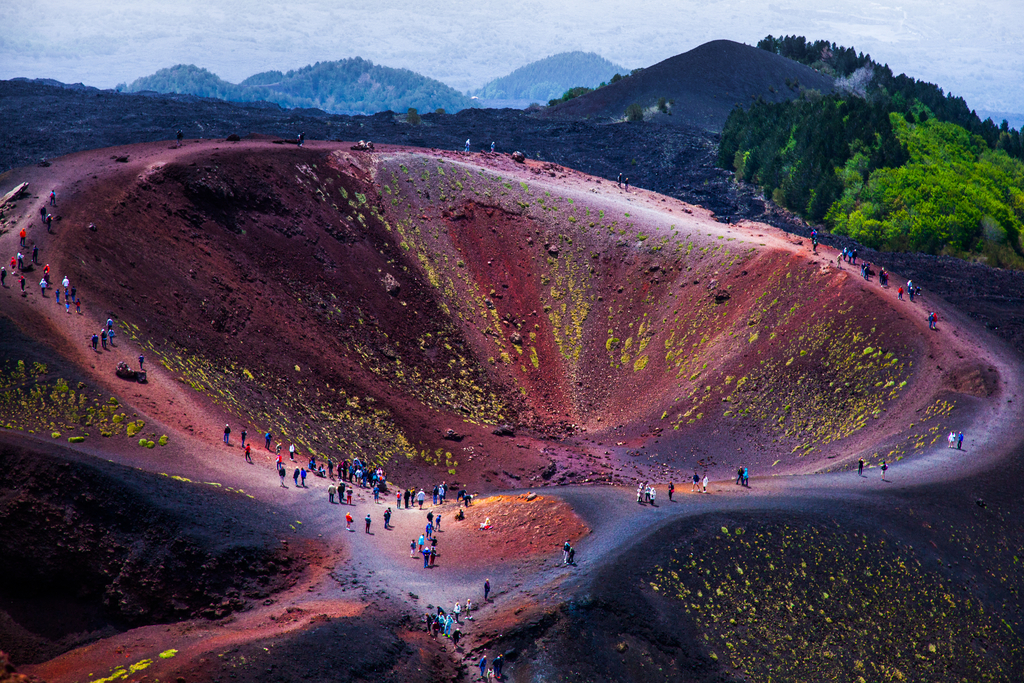
Vines grow through dark lava soil on the slopes of Mount Etna, with the volcano always present in the distance. At Planeta’s estates, each tasting reflects a different part of Sicily, from the grape varieties to the landscape around the table. Lunch gives the experience time to unfold, especially when the wine, food and view all come from the same place.
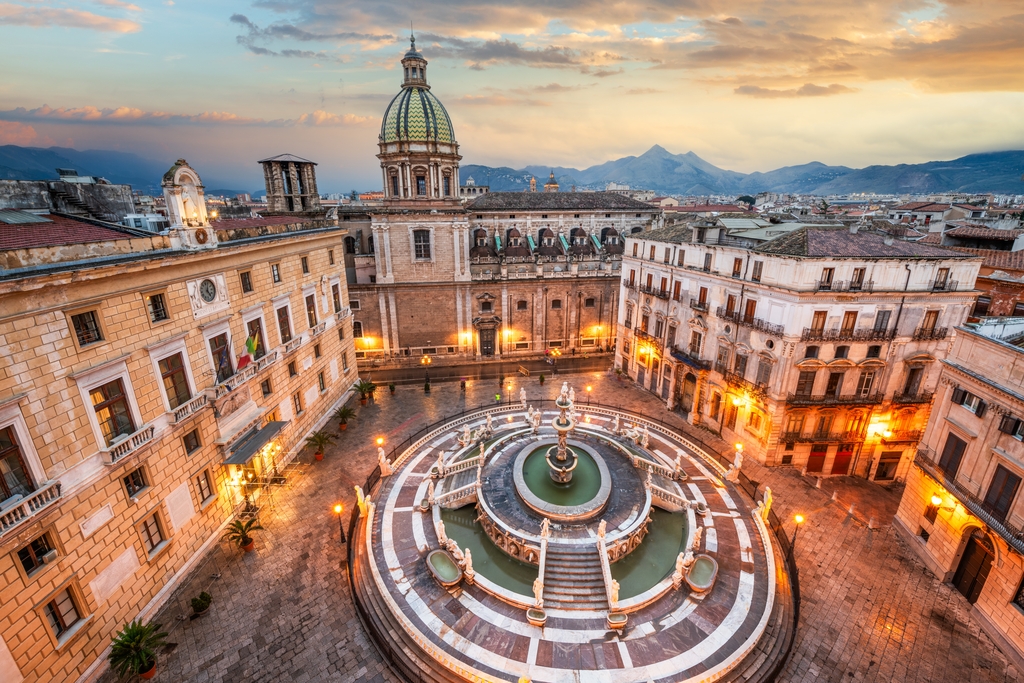
Etna, Taormina and the golden-stone towns of Noto, Modica and Ragusa Ibla work well together in the east. Palermo feels livelier and less polished, with markets, palaces, churches and street food all competing for attention. Even the fried rice ball comes with a local argument. Palermo calls it an arancina, while Catania prefers arancino. Trying both remains the most enjoyable way to join the conversation.
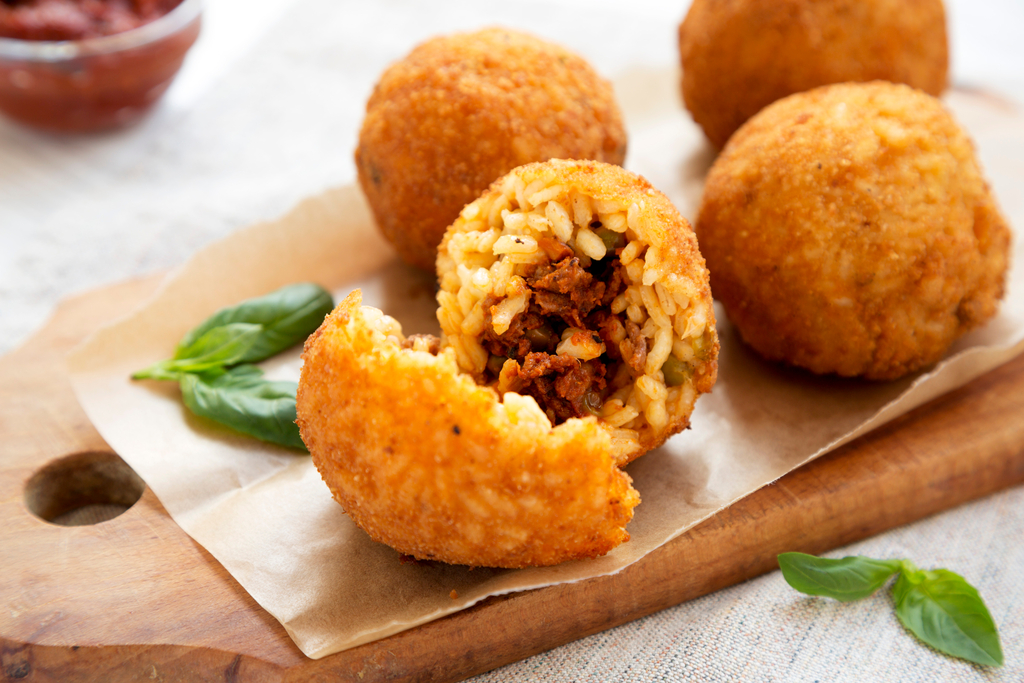
Travelers usually get more from Sicily when they spend time in one or two areas rather than racing across the island. Another journey will always find something new to explore.
Sardinia: Beyond the Beach Club
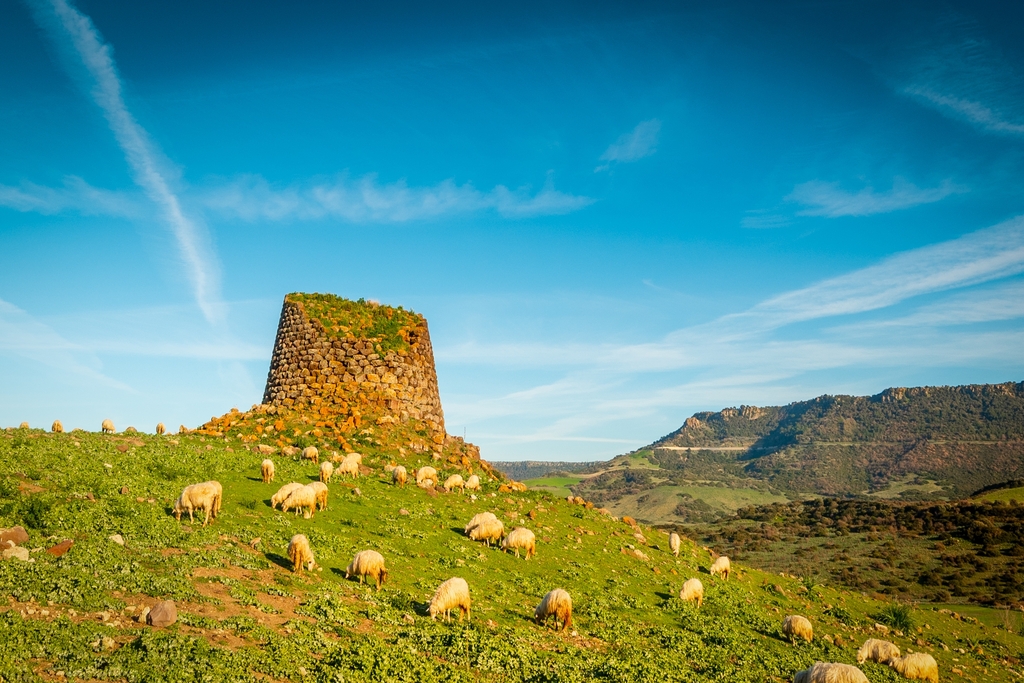
The water usually catches the eye first. Turquoise coves, pale beaches and granite cliffs line the coast, while Costa Smeralda brings elegant resorts and yacht-filled marinas. Nearby, the La Maddalena Archipelago feels wilder, with rocky islands, quiet beaches and swimming spots reached only by boat.
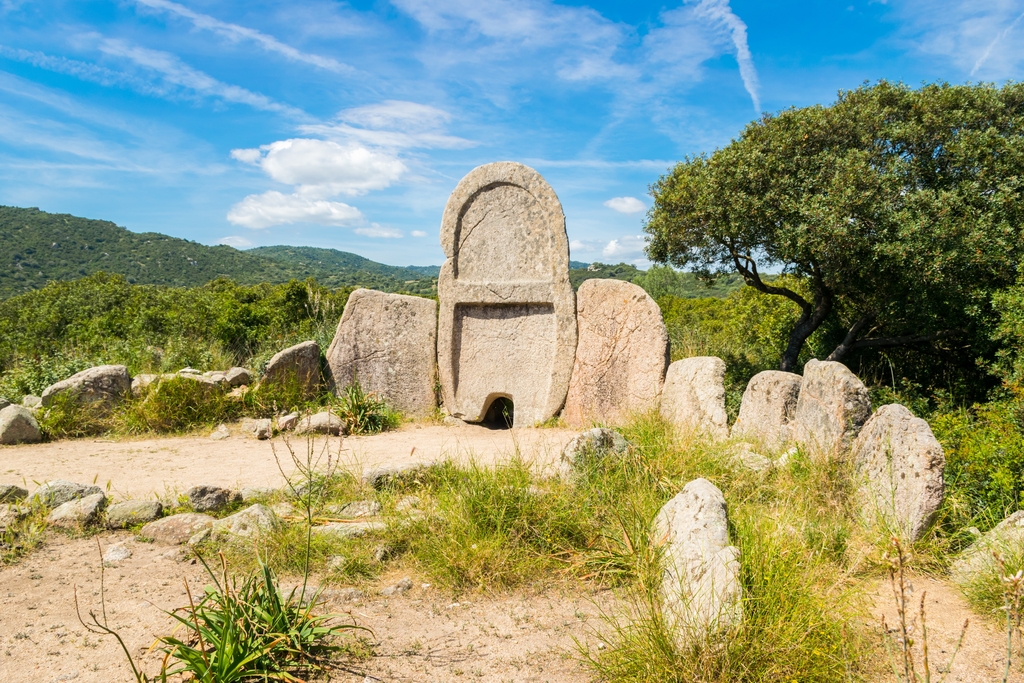
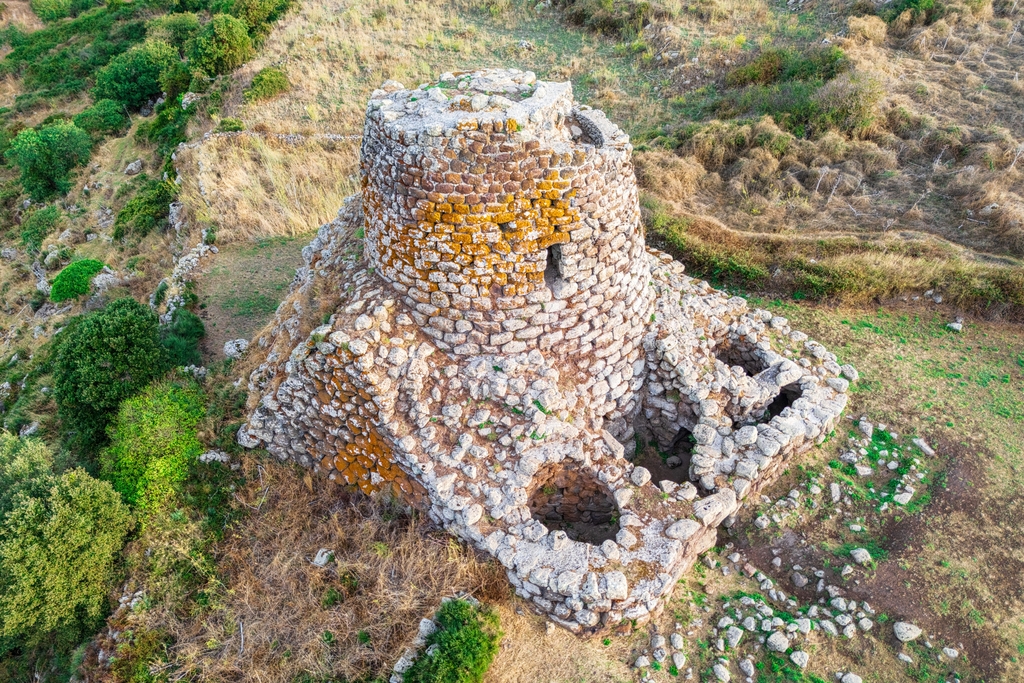
Once the road turns inland, the island begins to tell a different story. Cork forests and mountain villages replace the polished coastline, and ancient nuraghi stand across a landscape shaped long before modern Italy. Seafood and bottarga give way to pecorino, handmade pasta and roast meats as the distance from the sea grows.
Near Oliena, Su Gologone feels special because the hospitality comes with a real sense of Sardinian food, art and craft.
The island covers more ground than many first-time visitors expect. Staying within one area leaves room for boat days, village visits, long meals and afternoons that never needed much planning.
Northern Italy: Lakes, Peaks and Long Views
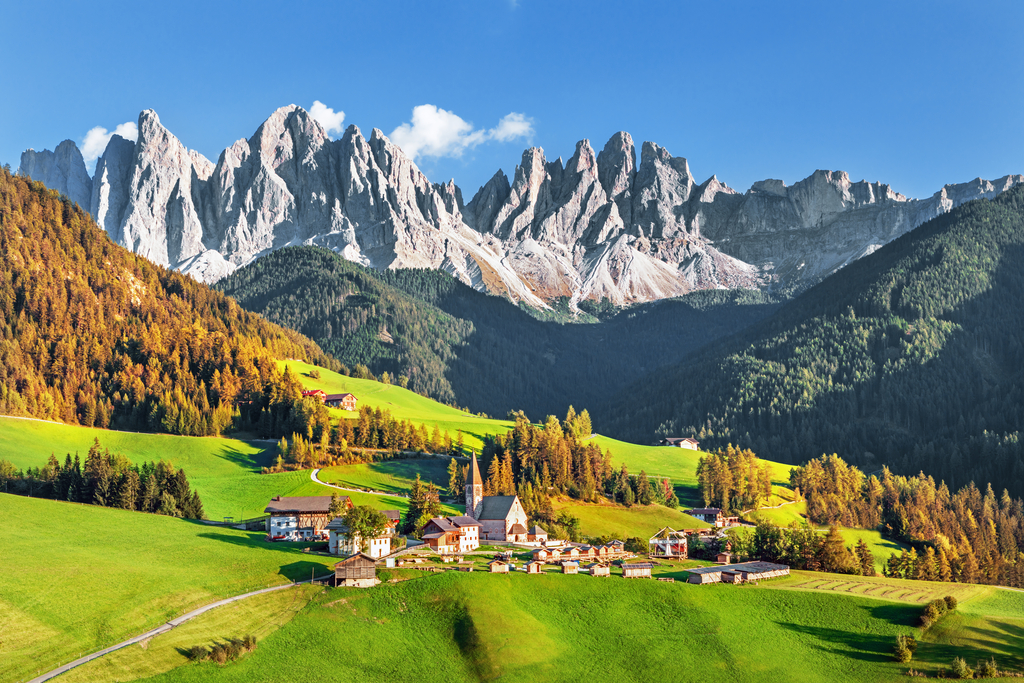
By the time the road reaches the Dolomites, Italy has changed again. Limestone peaks rise above forests and high meadows, while Italian, Austrian and Ladin traditions meet in the villages below.
A mountain day can begin with a cable-car ride, continue along a panoramic trail and pause for lunch at a rifugio. Polenta, local cheese and hearty regional dishes arrive at wooden tables overlooking the peaks, and the setting turns a simple lunch into the part of the day everyone remembers.
Aosta Valley adds castles, Roman history and the high mountains around Courmayeur and Mont Blanc.
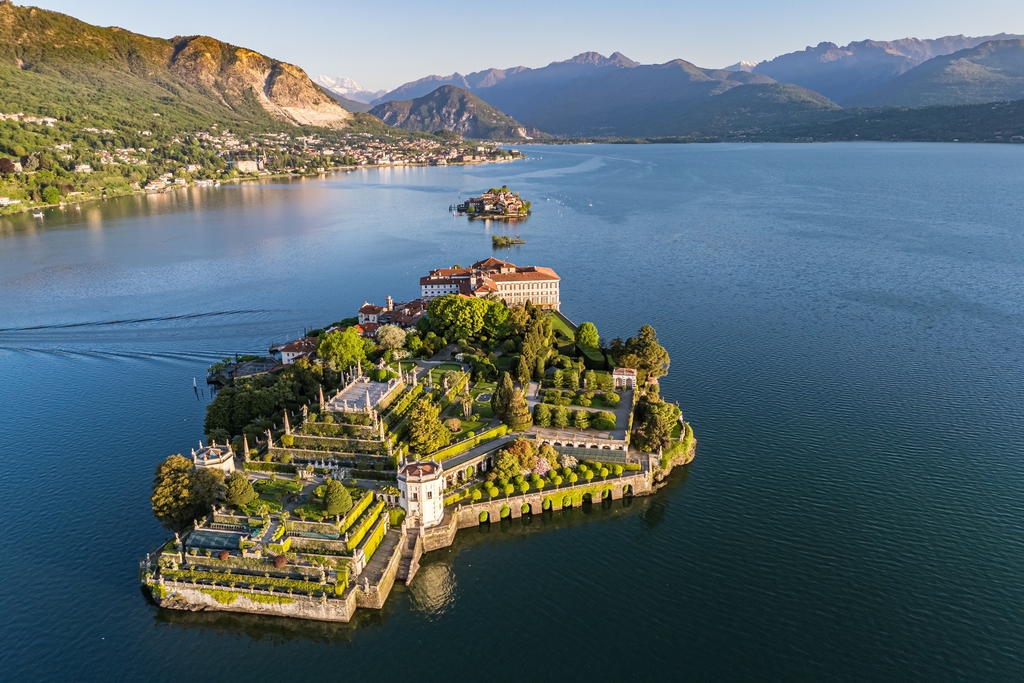
Pairing one lake with one mountain area keeps the journey relaxed and gives travelers time to notice how quickly the food, landscape and local traditions change across the north.
Italy Still Has More to Say
Every return to Italy opens a different door. The pace changes, the food shifts and local traditions reshape the journey from one region to the next.
The next trip may begin over lunch beneath an olive tree, beside vines rooted in lava soil, on the deck of a boat or at a mountain table above the clouds.
To start planning, contact the local Italy by Travelive team at [email protected].