
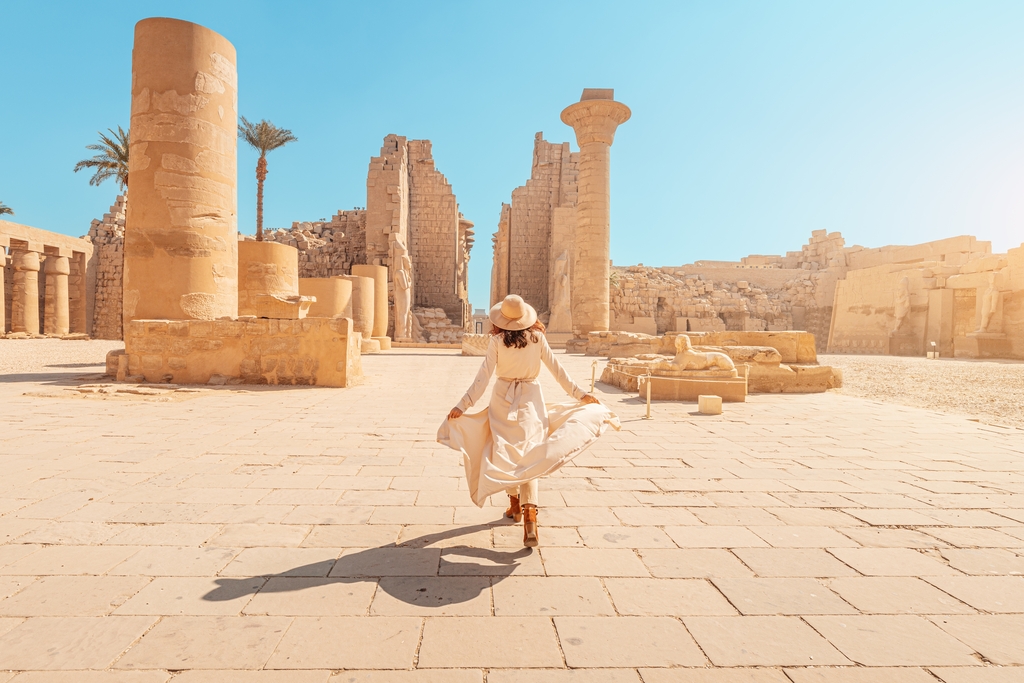
We know what you might be thinking: why would anyone need any information for an adventure to Egypt? Isn’t this the land of pure discovery? An archaeological mecca whose golden plains have revealed more ancient wonders than there are blocks in the Great Pyramids of Giza? The cradle of civilization where all you need is a map, a compass, and the spirit of a pioneer to set you on a path to uncovering its treasures.
Perhaps, although the Pyramids part may be an exaggeration. But any sensible traveler knows that there is more to a country than its immediate appeal. And that is why our specialists at Egypt by Travelive have put together this list of essential information. So that when scouting for tombs of the Pharaohs, your travelers can do so with the confidence of true explorers.
Travel Essentials — Tools for an Expedition

Before your travelers step into a land shaped by dynasties, deserts, and deities, a few practical foundations will ensure their explorations unfold as smoothly as a well-drawn map.
- Currency — Pharaohs may have traded in gold, but today Egypt’s official currency is the Egyptian Pound (EGP). While U.S. dollars and euros are often accepted in hotels and tourist hubs, local currency remains king (even in their eponymous Valley). For everyday purchases in markets and smaller shops, it is recommended to exchange money at banks or authorized exchange offices for the best rates and peace of mind.
- Language — Modern Standard Arabic is Egypt’s official language. That said, Egypt is refreshingly multilingual; after all, this is the birthplace of the Rosetta Stone. English is widely spoken, particularly in tourism circles, and French remains surprisingly prevalent, with over three million speakers nationwide.
Useful Tip
A simple “Shukran” (thank you) goes a long way, and will always earn an excited response from the locals.
- Time Zone — Ancient Egyptians may have used sundials, but you won’t have to rely on shadows to know when it’s lunchtime. All you have to consider is that Egypt operates on Egypt Standard Time (UTC +2), aligning with Eastern European Time and neighboring countries such as Libya and Sudan.
Pro Tip
Travelers should note that daylight saving adjustments may occur, so it’s wise to confirm local time before departures, tours, or Nile sailings.
Transportation Tips — Charting the Course
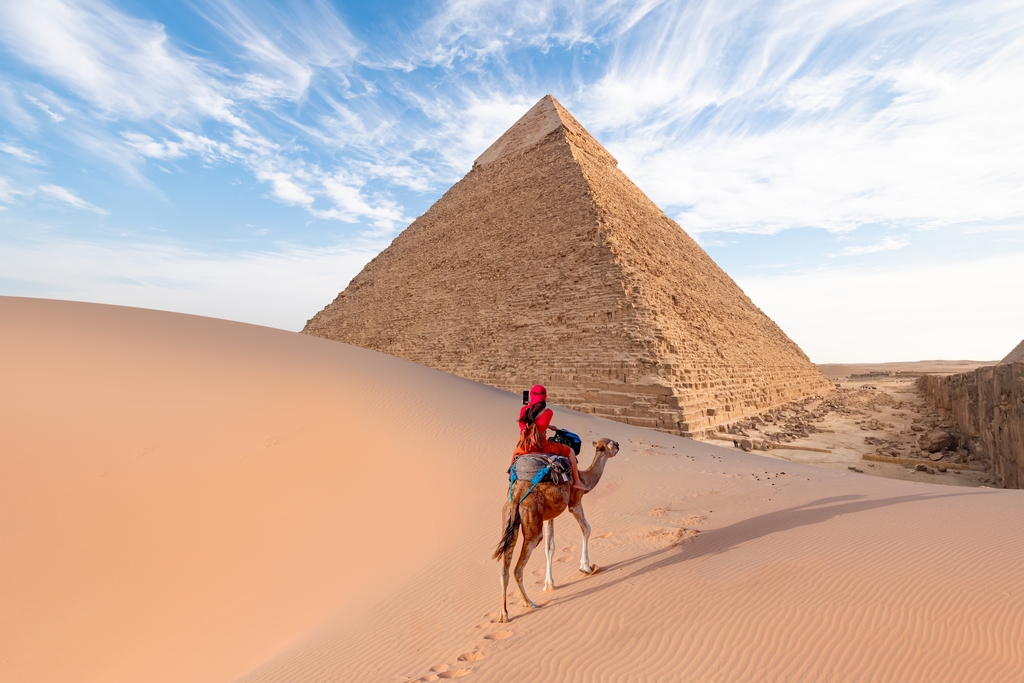
In a country where camel caravans once roamed through desert dunes and chariots whisked rulers along the Nile, ideas about transportation may vary. Today, however, travelers have far more comfortable options for navigating this ancient land. And here are a few to choose from.
- Driving
While car rentals are available, driving in Egypt is best left to the experienced. Traffic patterns can feel improvisational, signage inconsistent, and local driving customs spirited, to say the least. For most travelers, Egypt by Travelive’s vetted private drivers and comfortable transfers offer a smoother, safer, and far more relaxing way to explore. - Public Transport
Egypt’s public transportation network has evolved greatly across its millennia of history; and continues to do so. Trains and long-distance buses connect major cities, while Cairo’s metro stands out as a popular and efficient way to travel, offering easy access to major landmarks. Along the Nile, ferries and riverboats (especially in Cairo, Luxor, and Aswan) provide scenic routes that feel like a journey through time itself. - Taxis
Something that even the most ancient lands have. However, travelers are advised to always use licensed taxis and agree upon a fare before starting your journey or ensure the meter is running.
Cultural Insights — Customs of an Ancient Land
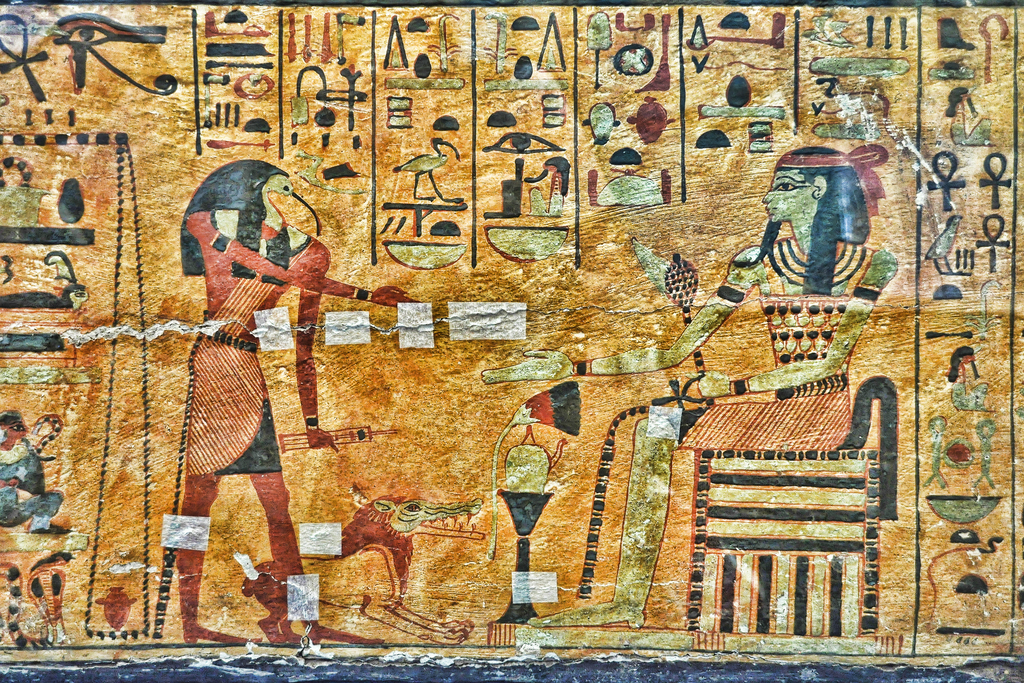
In Egypt, history isn’t confined to museums, unless it’s the Grand Egyptian Museum (GEM) of course. That being said, Egypt’s true heritage lives on in daily rituals, gestures, and deeply rooted traditions. Understanding a few of these will help your travelers move through this storied land not just as visitors, but as respectful guests welcomed into a living legacy.
- Tipping (Baksheesh)
Baksheesh (as it’s called in Arabic) is more than a gratuity: it’s an integral social custom woven into everyday life. In restaurants, 10% of the bill is a fair benchmark, and while never obligatory, is customary for good service and always appreciated. Besides, it also lets you be a part of a long-standing tradition. - Dress Code
Egypt is welcoming, but modesty remains a mark of respect, particularly at religious and historic sites. Travelers should cover shoulders and knees when visiting mosques, churches, or rural communities. Lightweight, breathable fabrics strike the perfect balance between comfort and cultural consideration under the desert sun. - Etiquette & Interaction
Greetings matter. A friendly “As-salamu alaykum” (peace be upon you) is often met with a smile and an equally warm reply. In more traditional areas, locals may greet others with a hand placed over the heart: a subtle but meaningful gesture of respect that speaks volumes without a word.
Safety & Health — Safeguarding the Expedition
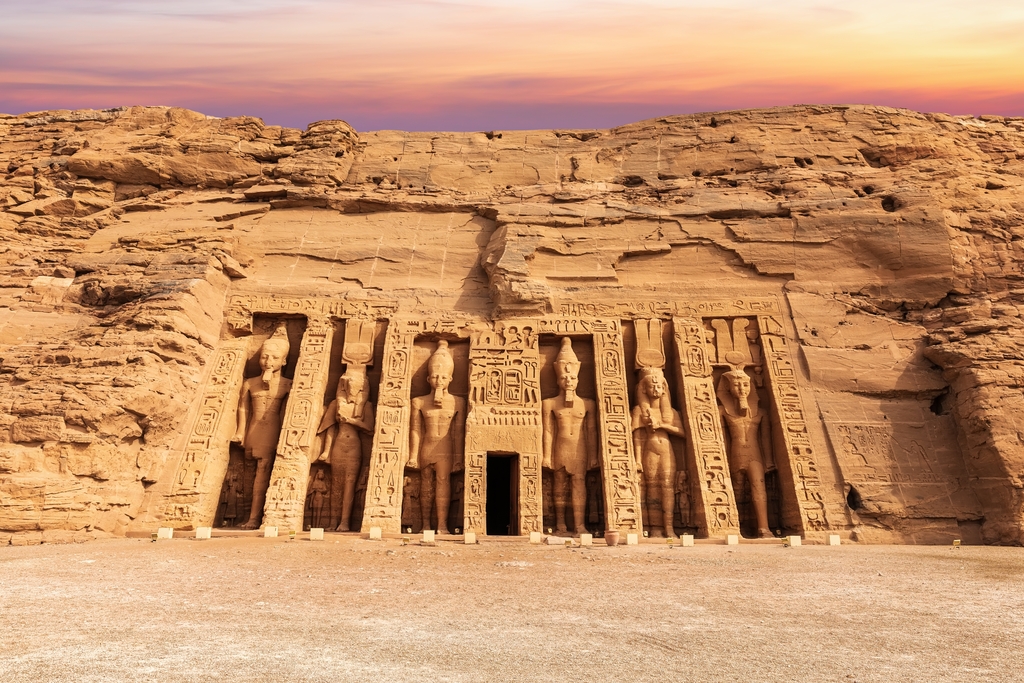
Movies like The Mummy and Raiders of the Lost Ark may inspire travelers to go into Egypt with an unbridled sense of adventure. And while it’s a destination that rewards spirited curiosity, preparation and a few thoughtful precautions will ensure that your travelers explore its wonders with confidence and peace of mind.
- Emergency Services
Should assistance ever be needed, dialing 122 connects travelers to emergency services across the country. In major cities and tourist centers, help is readily accessible, and English-speaking support is increasingly common. - Travel Insurance
Even the most seasoned explorers know that insurance is an essential part of the kit. Comprehensive travel insurance covering health care, accidents, cancellations, and theft is strongly recommended, ensuring unexpected detours never derail the journey. - Health & Wellbeing
Egypt’s climate can be demanding, particularly under the desert sun. Staying hydrated, using sun protection, and pacing sightseeing days go a long way. Bottled water is advised for drinking, and travelers should follow their guide’s recommendations regarding food and local conditions. - Local Laws & Awareness
Respect for local customs and laws ensures smooth passage. Photography may be restricted at military sites, and it’s always polite to ask before photographing people. A mindful approach keeps interactions positive and experiences enriching.
Practical Tips — Packing Like a Modern Explorer
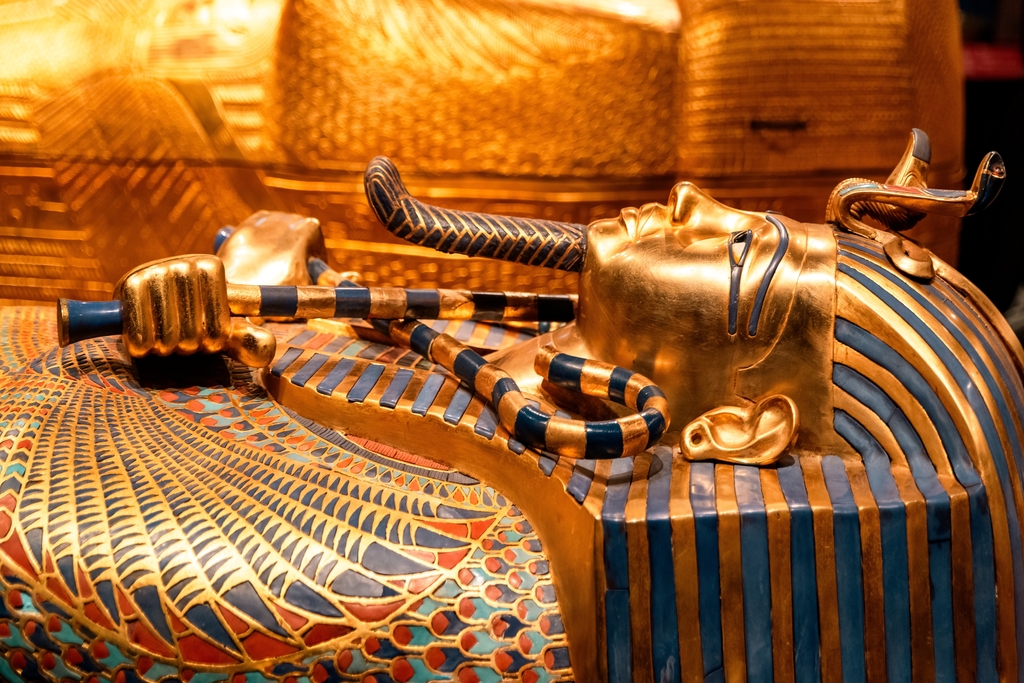
Every explorer relies on their wits and what’s in their backpack. Egypt’s landscapes span sun-baked deserts, breezy Nile banks, and cool temple interiors, so packing smart ensures your travelers are ready for every chapter of the adventure.
- Packing Essentials
Although lightweight, breathable clothing is key for Egypt’s iconic heat, layers are essential for cooler evenings and early mornings. Meanwhile, comfortable walking shoes are non-negotiable for temple floors and ancient streets. A scarf is also invaluable, for sun protection or covering at religious sites. And, as you know, sunglasses, sunscreen, and a wide-brimmed hat are expedition staples. - Staying Connected
Wi-Fi is common in hotels and cruise vessels, but for seamless navigation and communication, a local SIM card or eSIM is highly recommended. It’s a small addition to the present that lets you enjoy the treasures of the past.

A Timeless Land, Ready to Be Discovered
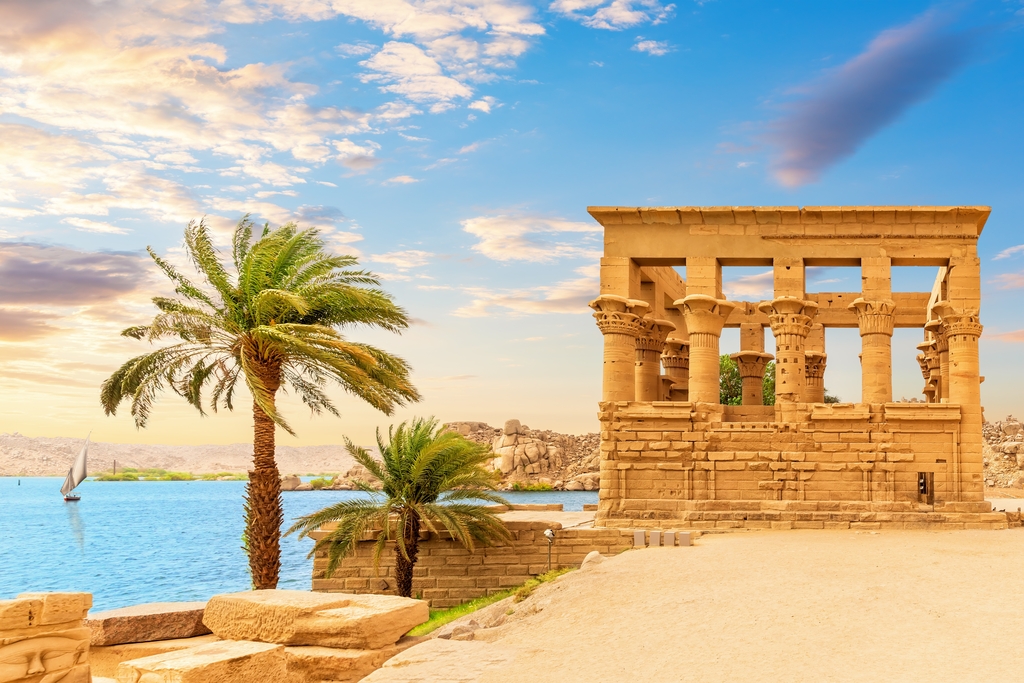
Egypt is not merely a destination; it is an explorer’s holy grail. A place where every horizon feels charged with discovery. With these essential insights and Egypt by Travelive’s on-site expertise, your travelers won’t just uncover its legends, they’ll move through it like seasoned adventurers, poised, informed, and ready for whatever wonders rise from the sands. Because, at the end of the day, all treasures come with a map, and this is yours.
Looking to become an expert in each of Travelive’s amazing destinations? Then check out some of our other Essential Travel Information articles!