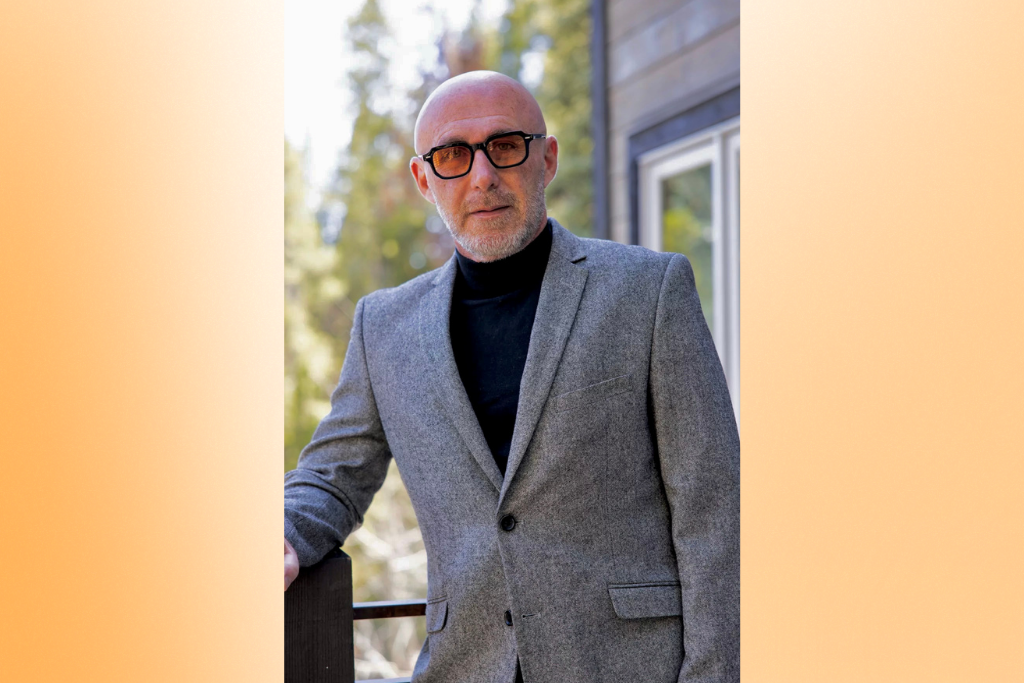
While many know Travelive through its familiar faces, there has always been a strategist behind the scenes. For over 25 years, that strategist has been Panos Chalvantzis, shaping how the company grows, operates, and delivers across Europe and the Mediterranean. Now, it’s time to meet him.
Let’s start at the beginning. When did this become real for you?
“It started to take shape in the early 2000s, when we launched Travel2Greece and became more hands-on in how the product came together on the ground. We were working closely with small local suppliers, building real relationships, and creating a presence in the destination. That gave us visibility and allowed us to influence how the experience was delivered, not just how it looked on paper. What stood out to us early on was that the market was shifting in two directions at the same time. On one side, platforms like Booking.com and Airbnb made travel easier, faster, and widely accessible. On the other hand, a different type of traveler started to emerge. People who didn’t want to do everything themselves. They were looking for a human connection, for guidance, and for something that felt seamless from start to finish, with someone there to support them on the ground if needed. That contrast was very clear to us, and it shaped the direction we took from the beginning. At that stage, there were no large teams or structures. It was more of a mindset. I felt like an insurgent, which, looking back, is probably the best position to be in when you’re trying to build something new. And importantly, it was a mindset we shared as founders.”
When did the traditional model start to feel limiting?
“Very early on. Most of what we were seeing were fixed itineraries with very little flexibility, which created limitations throughout the process. For the advisor, it became difficult to adjust a trip once it was set. For the traveler, the experience felt predictable rather than personal. And for us, it left very little room to design something around the individual. That’s when it became clear that the issue wasn’t about improving what already existed. The model itself was too rigid to support the kind of travel experience we believed in. We didn’t want to work within those limitations. We wanted to remove them.”
What were you trying to build at that point?
“A structure that could genuinely support travel advisors in a consistent way. Not something fragmented, but a group of DMCs with strong local presence, operating with the same mindset across destinations while still respecting what makes each place unique. The idea was clear early on. Building it properly took time, and a lot more patience and manpower than I initially expected.”
Why build your own DMCs instead of subcontracting?
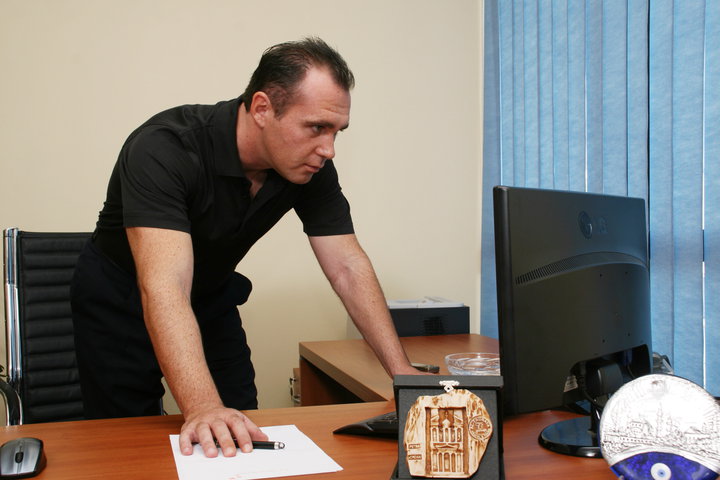
“Because once you subcontract, you lose control over consistency. We saw how the model worked across the industry, with multiple layers, limited visibility, and often a gap between what is designed and what is actually delivered. That didn’t align with what we wanted to build. Instead of working around that structure, we chose to turn it on its head. We built our own presence in each destination, with local teams on the ground, so we could stay close to the product and be accountable for the full journey. It’s a more demanding way to build, but it allows you to create something with intention, rather than simply working within the limits of what already exists.”
What does “owning the destination” mean to you?
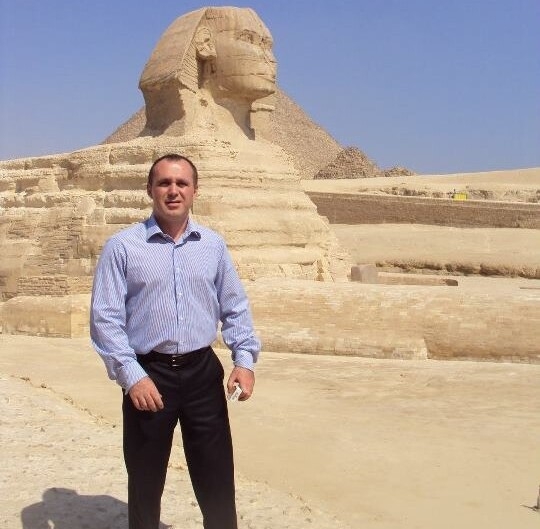
“It means having a real presence in each place, not just an operational one, but a human one. Our teams are on the ground, working closely with small local suppliers who are deeply connected to their communities. That allows us to shape the product in a more meaningful way, bringing forward lesser-known regions, experiences, and perspectives that might otherwise be overlooked. We are very advisor-focused, but also very destination-focused. Our role is not to simply follow what is trending, but to guide both advisors and their travelers toward experiences that feel right for them. For advisors, that translates into confidence. There is continuity between what is designed and what is delivered, and there is always someone there to support it if something shifts.”
Looking back, which decisions defined the company?
“Expanding beyond Greece. It meant committing to this model across multiple countries and investing in local teams and knowledge in each destination. That’s something that takes time, and it’s not always predictable in terms of return. But it’s what creates long-term value.”
Was there ever a moment you questioned that direction?
“No,” he says, smiling. “Not really.”
How has all of this shaped the way you travel?
“I always start with a blueprint, but I like to leave space for things to unfold. That’s where the interesting moments happen. When I travel for work, I’m more structured because I want to experience exactly what we offer. When it’s personal, I prefer to stay longer in one place and experience it more as a local.”
What makes a trip memorable for you today?
“It’s the feeling it creates. Something that stays with you long after you leave. It’s always a combination of the place, the people, and the experience itself. Places like Cappadocia, Aswan, and Marrakech stayed with me for that reason. Completely different destinations, but each one offers something unique. And then there are moments. I still remember arriving in Santorini early in the morning when I was 17, seeing the island from the ferry as we approached. That’s one of those moments that just stays.”
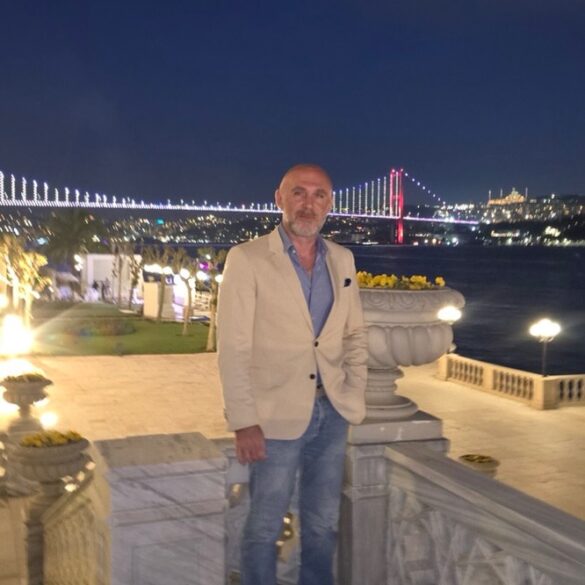
What is one thing you always do when you arrive somewhere new?
“Connect to WiFi,” he says, laughing. “Immediately. No matter where I am.”
Anything you tend to avoid?
“Very crowded tourist markets. They don’t always reflect the real character of a place.”
Early riser or slow mornings?
“That depends on the destination. If there’s a lot to explore, I start early. If it’s more relaxed, I take my time.”
What’s one travel habit your team would recognize?
“That I’m not high maintenance,” he says. “And that I don’t follow a very conventional way of traveling.”
How would your team describe your leadership style?
“Charismatic, fair, but demanding, and always operating at a high pace. I value honesty and character. What I struggle with is a lack of ambition or innovation. I believe work should lead somewhere.”
If Travelive didn’t exist?
“I would still be building something. Most likely within hospitality or real estate. Something with a clear identity.”
What excites you most about what comes next?
“New destinations, new people, and new technologies. The industry is evolving quickly, and it’s not always easy to predict where it’s going. What I do believe is that the closer you are to the end traveler, the more relevant you become. That’s something that won’t change.”
And finally, what do you hope people take away when they meet you?
“That I’m humble, optimistic, and down to earth. Someone who looks for a win-win and keeps things moving forward.”

Quick Fire
- Coffee or tea? Coffee
- Mountains or sea? Both
- A place you return to? Greece
- Daily ritual? Walking, working out, and a one-hour nap
You’ll be seeing more of Panos across upcoming events and partner meetings. If you haven’t met him yet, now you know a bit more about the thinking behind Travelive.